
Vitamin D plays a crucial role in maintaining our health, yet many people suffer from low levels of this essential nutrient. Not only is vitamin D vital for bone health, but it also influences your immune system, mood, and overall well-being. This article will explore the causes and symptoms of low vitamin D, the importance of maintaining adequate levels, and the various ways to boost your intake.
What is Vitamin D and Why is it Important?
Vitamin D is a fat-soluble vitamin that helps our bodies absorb calcium, leading to strong bones and teeth. It also contributes to muscle strength, immune function, and may even play a role in preventing chronic diseases such as heart disease and certain cancers. Most importantly, vitamin D can be synthesized by the body through sun exposure, which is why it’s often referred to as the “sunshine vitamin.”
Causes of Low Vitamin D Levels
Several factors can contribute to low vitamin D levels:
- Limited Sun Exposure: The most significant source of vitamin D is sunlight. People living in northern climates, those who wear full-coverage clothing, and individuals who spend most of their time indoors may not get sufficient sunlight.
- Skin Color: Melanin, the pigment that gives skin its color, can reduce the skin’s ability to produce vitamin D from sunlight. Therefore, individuals with darker skin may have a higher risk of deficiency.
- Age: As we age, our skin’s ability to produce vitamin D decreases. Older adults may also spend less time outdoors.
- Dietary Insufficiency: Few foods naturally contain vitamin D. A diet lacking in vitamin D-rich foods such as fatty fish, fortified dairy products, and eggs can lead to low levels.
- Certain Medical Conditions: Some health issues, including obesity, malabsorption syndromes, and liver or kidney diseases, can affect the body’s ability to absorb and utilize vitamin D.
Symptoms of Vitamin D Deficiency
Many people with low vitamin D levels may not show noticeable symptoms at first. However, as deficiency worsens, several signs might emerge:
- Brittle Bones: Low levels of vitamin D can lead to osteoporosis, making bones fragile and increasing the risk of fractures.
- Fatigue and Weakness: Some individuals report feeling tired and having muscle weakness when lacking vitamin D.
- Frequent Infections: Vitamin D is essential for immune function, and a deficiency may increase susceptibility to infections.
- Mood Changes: Some studies suggest that low vitamin D may be linked to mood disorders, including depression.
- Skeletal Pain: Many people with low vitamin D experience bone and joint pain.
Getting Enough Vitamin D: Dietary Sources
While sunlight is a significant source of vitamin D, it can also be found in various foods:
- Fatty Fish: Salmon, mackerel, and sardines are high in vitamin D.
- Fortified Foods: Many milk products, orange juice, and cereals are fortified with vitamin D.
- Egg Yolks: Eggs are a natural source of vitamin D and can be easily incorporated into your diet.
- Mushrooms: Certain types of mushrooms exposed to UV light can provide vitamin D as well.
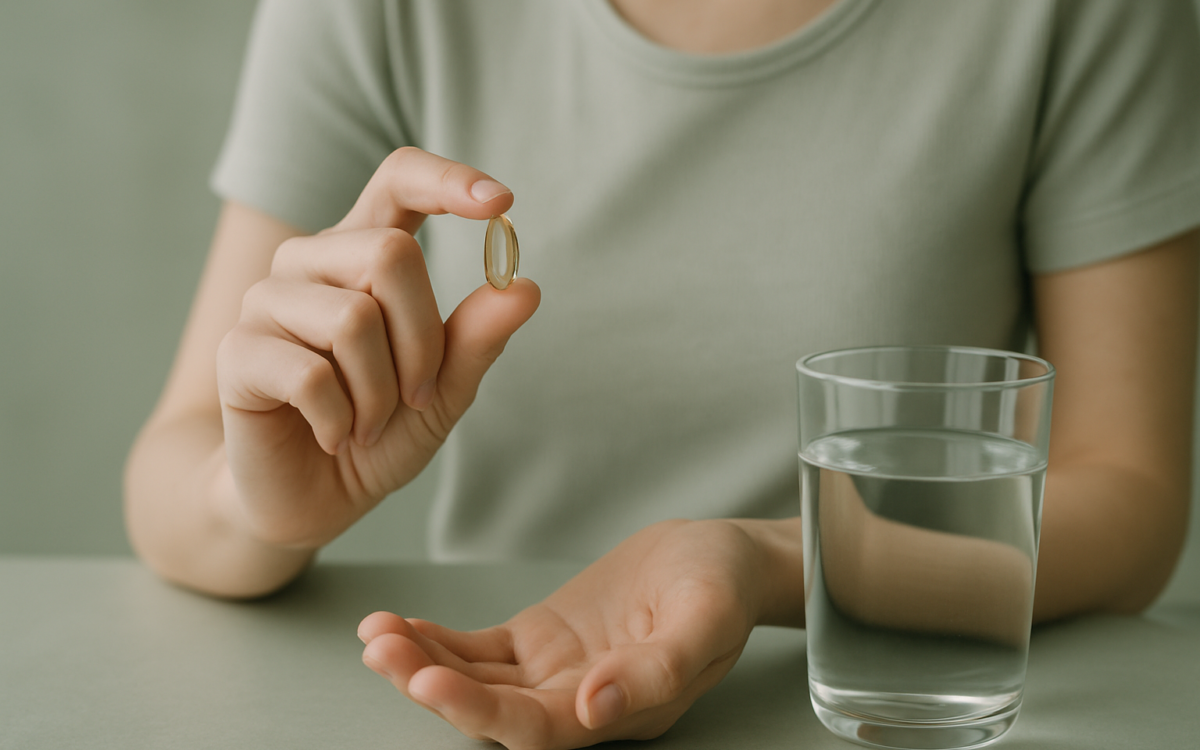
For individuals who struggle to get enough vitamin D from sunlight or food, supplements are also available. However, it’s essential to consult a healthcare provider before starting any supplementation.
Sunlight: The Best Natural Source
Spending time outdoors is one of the most effective ways to increase your vitamin D levels. Aim for about 10 to 30 minutes of midday sun several times a week, depending on your skin tone and the season. It’s crucial to balance sun exposure with skin safety. Always use sunscreen after the short exposure period to prevent skin damage.
Monitoring and Addressing Vitamin D Deficiency
If you suspect you have low vitamin D, it’s wise to consult a healthcare professional for a blood test. The test will measure your levels, providing a clearer picture of whether you need to take steps to improve them. Depending on your level of deficiency, your doctor may recommend increased sun exposure, dietary adjustments, or supplements.
Recommended Daily Intake
The recommended dietary allowance (RDA) for vitamin D varies by age and health status:
- Children and adults (up to 70 years): 600 IU (15 mcg) per day
- Adults over 70 years: 800 IU (20 mcg) per day
- Pregnant and breastfeeding women: 600 IU (15 mcg) per day
Keep in mind that some people may need higher doses, especially if they have diagnosed deficiencies or conditions that affect absorption. Regular monitoring can help ensure your levels remain within the healthy range.
When to See a Doctor
If you experience symptoms of low vitamin D, such as fatigue, mood changes, or bone pain, it’s essential to consult a healthcare professional. They can recommend appropriate testing and help create a plan for addressing any deficiencies.
For further information on vitamin D, you can check reputable sources such as the National Institutes of Health and the Mayo Clinic.
Maintaining healthy levels of vitamin D is vital for overall health. By understanding the causes and symptoms of low vitamin D, you can take proactive steps to enhance your health and well-being.
