
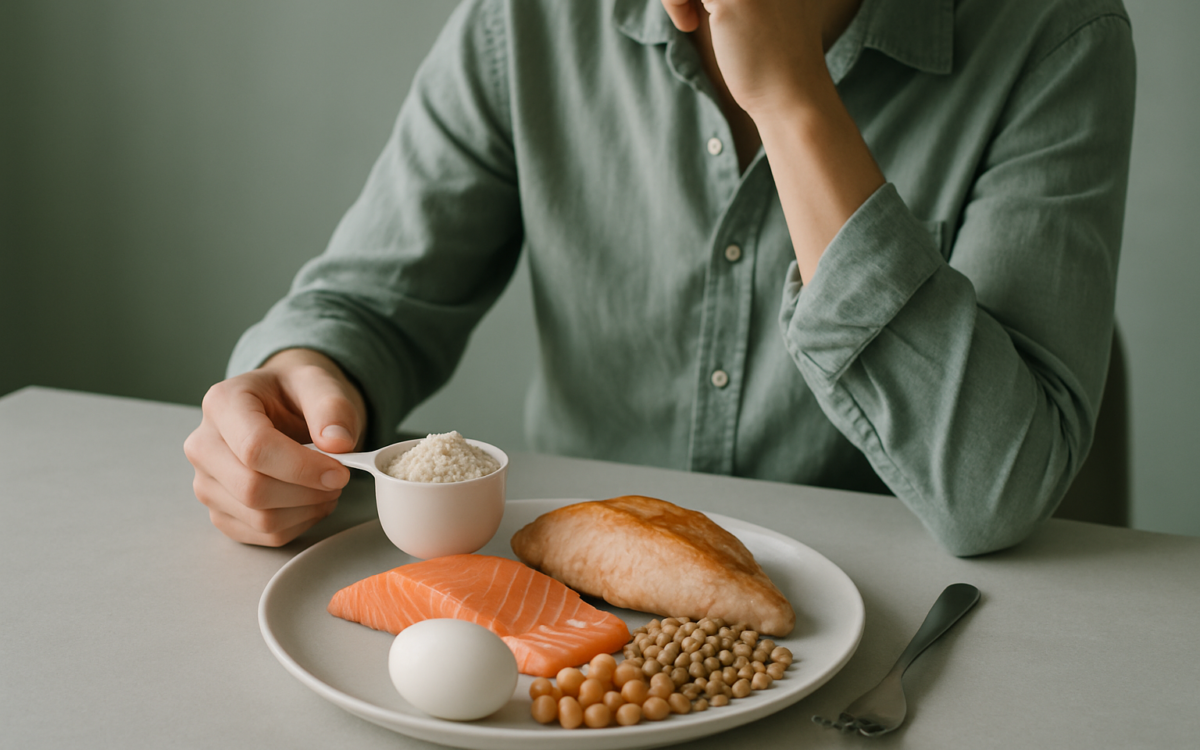
Understanding your protein needs can feel like a puzzle, especially with so much conflicting information out there. Protein is a vital nutrient that plays numerous roles in your body, from building and repairing tissues to producing enzymes and hormones. So, how much protein must you eat daily to support your health and well-being? Let’s break it down.
Why Is Protein Important?
Protein is one of the three macronutrients your body needs in significant amounts, the others being carbohydrates and fats. Unlike fats and carbohydrates, proteins are made up of amino acids, which are the building blocks for various body functions.
Here are a few critical roles of protein in your body:
- Muscle Growth: Protein helps build and repair muscle tissues, which is essential for everyone, especially those who are active or looking to gain muscle mass.
- Enzyme Production: Many enzymes that aid digestion and other bodily processes are proteins.
- Hormone Regulation: Proteins are also involved in the production of hormones that regulate various bodily functions.
- Immune Function: Antibodies, which are proteins, fight infections and support your immune system.
How Much Protein Do You Need?
The recommended daily allowance (RDA) for protein varies based on several factors, including age, sex, physical activity level, and overall health. As a general guideline, the RDA for protein is:
- Adults: 46 grams per day for women and 56 grams per day for men.
- Athletes: The demand can increase significantly for athletes; recommendations can vary from 1.2 to 2.0 grams of protein per kilogram of body weight, depending on their sport and training intensity.
For example, a 70 kg (154 lb) male athlete may require between 84 to 140 grams of protein daily.
Factors Influencing Protein Requirements
Not everyone will require the same amount of protein. Several factors can influence your individual needs:
1. Age
As you age, maintaining muscle mass becomes increasingly important. Older adults may need more protein to prevent muscle loss, which is commonly experienced with aging.
2. Activity Level
If you’re highly active or engaged in strength training, your protein needs will likely be higher than someone who is sedentary. Your muscles require extra protein to recover and grow after workouts.
3. Health Status
Certain health conditions, like kidney disease, may limit your protein intake. In contrast, conditions that cause muscle wasting, like cancer or severe infections, may necessitate higher protein consumption. Always consult with healthcare professionals regarding your specific needs.
Sources of Protein
When considering how much protein to consume, it’s also essential to think about where it comes from. There are two main types of protein sources:
- Animal Sources: These include meat, poultry, fish, dairy products, and eggs. Animal proteins are usually considered complete proteins because they contain all essential amino acids your body cannot produce on its own.
- Plant Sources: Vegetarian and plant-based sources include beans, lentils, tofu, nuts, seeds, and whole grains. While many plant proteins are incomplete, combining different sources (like rice and beans) can provide all essential amino acids.
How to Meet Your Protein Goals
Meeting your protein needs doesn’t have to be complicated. Here are some tips to help you get enough protein throughout the day:
- Plan Your Meals: Include a source of protein in every meal. This can be as simple as adding beans to a salad, having a protein-rich snack, or choosing a protein supplement when needed.
- Diversify Your Sources: Incorporate a variety of protein sources to benefit from different nutrients. For example, mixing animal and plant proteins can help meet your needs while also providing fiber and essential vitamins.
- Snack Smart: Nuts, yogurt, and cheese are great protein-rich snacks that can help you reach your daily goals.
When to See a Doctor
If you have specific dietary concerns, health issues, or questions about your protein intake, discussing these with a healthcare provider is wise. They can offer tailored advice based on your individual health status and lifestyle.
Conclusion
Understanding how much protein you need can empower you to make informed dietary choices. Remember that individual requirements vary based on many factors, including age, activity level, and health conditions. Whether you are an athlete or someone looking to maintain health, getting enough high-quality protein is essential for your overall well-being. Always consult with a medical professional if you are unsure about your dietary needs.
