
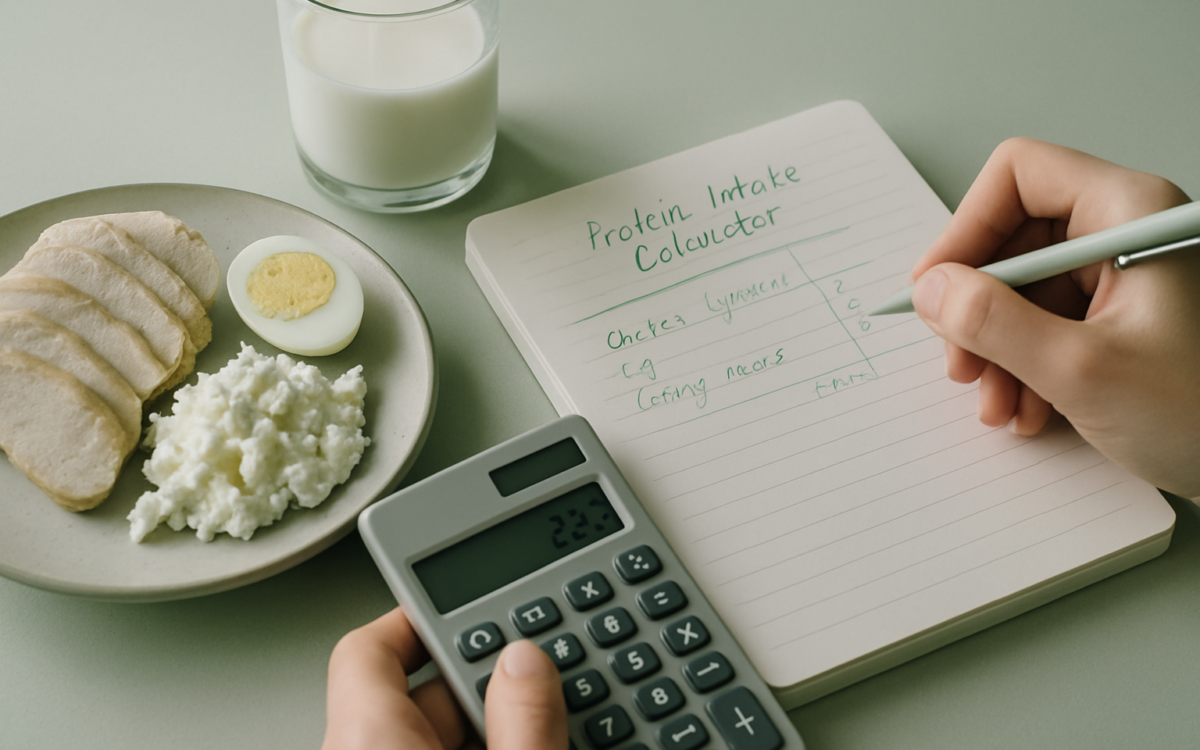
Protein plays a crucial role in our diet, supporting everything from muscle growth to immune health. But how do you know how much protein you really need? That’s where a protein intake calculator comes in handy. Whether you’re an athlete looking to build muscle, someone trying to lose weight, or just hoping to maintain a healthy lifestyle, understanding your protein requirements can be a game changer.
What is a Protein Intake Calculator?
A protein intake calculator is a tool that helps you determine how much protein you should consume daily based on various factors like age, weight, activity level, and fitness goals. These calculators typically guide you through a series of questions and then use formulas to provide a personalized protein recommendation. The right amount of protein can help with muscle repair, fat loss, and overall well-being.
Why is Protein Important?
Protein is one of the three macronutrients our bodies need, along with fats and carbohydrates. It serves several essential functions:
- Muscle Growth and Repair: Protein is vital for building and repairing tissues, especially for those who engage in regular physical activity.
- Hormone Production: Many hormones in your body are protein-based and help regulate various bodily functions.
- Immune Function: Protein is necessary for producing antibodies and other immune system components.
- Enzymatic Reactions: Proteins act as enzymes, speeding up biochemical reactions in your body.
How to Use a Protein Intake Calculator
Using a protein intake calculator is quite simple. Here’s how to get started:
- Gather Your Information: You will need to know your weight, age, gender, and activity level. Some calculators may also ask about your fitness goals, such as muscle gain or weight loss.
- Access a Protein Intake Calculator: There are various free online calculators available. You can find reliable options on reputable health websites.
- Input Your Data: Enter the gathered information into the calculator. Be as accurate as possible for the best results.
- Review Your Results: The calculator will provide a daily protein recommendation, typically expressed in grams. This is usually based on your body weight and activity level.
For example, many guidelines suggest a range of 0.8 grams of protein per kilogram of body weight for sedentary adults, with higher amounts recommended for those who are active (National Institutes of Health, NIH).
Factors Affecting Protein Needs
Your protein requirements can vary based on several factors:
1. Age
As we age, our protein needs may increase due to muscle loss associated with aging. Older adults often benefit from higher protein intakes to maintain muscle mass.
2. Activity Level
Active individuals, including athletes and those who engage in regular exercise, require more protein for muscle repair and energy. Depending on your training intensity, needs can jump to 1.2 to 2.0 grams per kilogram of body weight.
3. Health Status
People recovering from illnesses, surgeries, or injuries may need increased protein to aid in healing. If you have any health concerns, it’s wise to consult with a healthcare provider about your protein needs.
4. Goals
If you aim to build muscle or lose weight, your protein intake may need to be adjusted accordingly. High-protein diets can assist with satiety and help preserve muscle while losing fat.
Meeting Your Protein Requirements
Understanding how much protein you need is only the first step; you also need to ensure you’re getting it from the right sources. Here are some healthy protein options:
- Animal Sources: Lean meats, poultry, fish, eggs, and dairy products.
- Plant Sources: Beans, lentils, tofu, quinoa, nuts, and seeds.
- Protein Supplements: If you struggle to meet your protein needs through food, protein powders can be a convenient option. However, it’s important to choose high-quality supplements and consult with a doctor if unsure.
For those considering treatments or dietary consultations globally, organizations like Acibadem International offer resources and information tailored to your needs.
Common Myths About Protein Intake
As you navigate protein consumption, you may encounter several myths. Here are a few debunked:
Myth 1: More Protein is Always Better
While protein is essential, too much can lead to health issues, such as kidney strain and nutrient imbalance. Moderation is key.
Myth 2: Only Meat Provides Adequate Protein
Many plant-based foods offer substantial protein. A well-balanced diet can easily meet protein needs without excessive meat consumption.
Myth 3: All Protein Sources are Equal
Different protein sources can have varying amino acid profiles and nutritional benefits. It’s essential to include a variety of protein sources in your diet.
When to See a Doctor
If you have specific health conditions or dietary restrictions, it’s wise to consult a healthcare professional. They can help tailor your protein needs based on your unique situation. Seek medical advice if you notice any signs of malnutrition or if you have concerns about your diet or health.
In summary, a protein intake calculator is an excellent tool for determining how much protein you need to support your health and fitness goals. By understanding your requirements and sources, you can achieve a balanced diet that meets your personal needs.
