
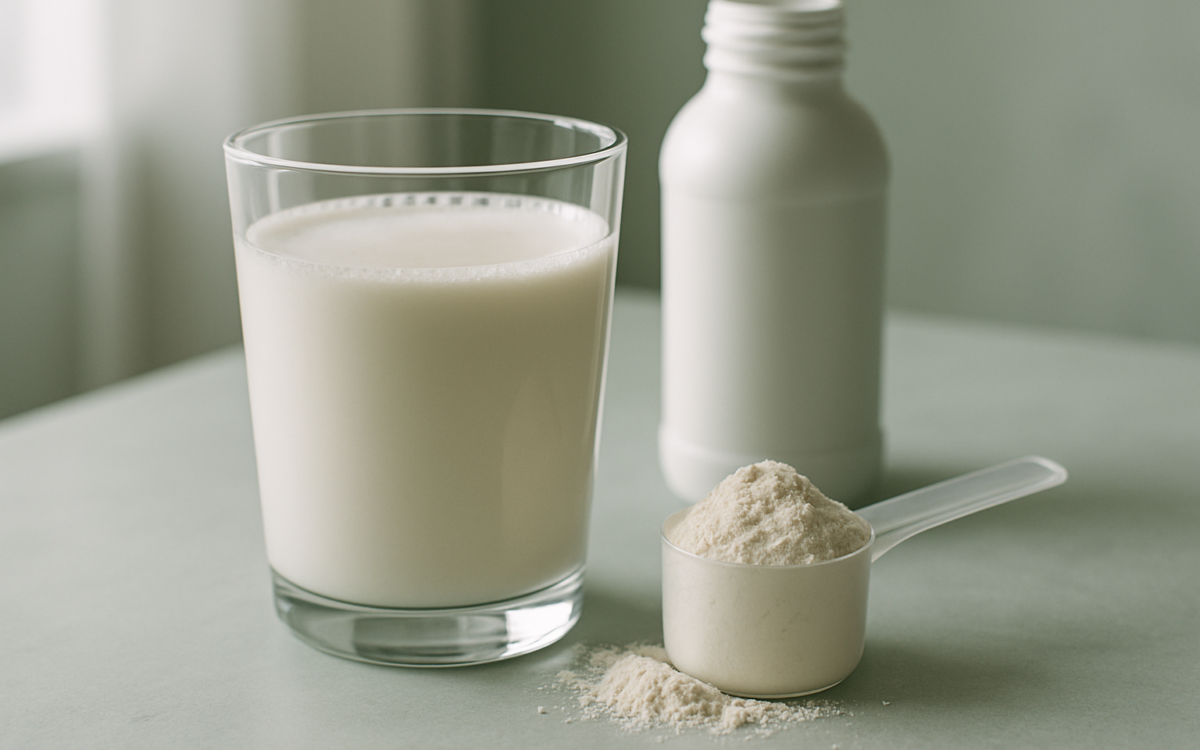
In recent years, protein milk has become a buzzword in health circles, as more people seek to increase their protein intake. Whether you’re an athlete, a busy professional, or someone simply trying to eat healthier, protein milk offers a convenient way to boost your diet. But what exactly is it, and how can it help you?
What is protein milk?
Protein milk is a type of milk that contains a higher amount of protein than regular cow’s milk. It can be made from various sources, including cow’s milk, soy, almond, and pea protein. The specific protein content can vary, but protein milk typically has more than 8 grams of protein per cup compared to about 8 grams in a cup of regular milk. This extra protein can support muscle growth, repair, and overall health.
Why choose protein milk?
There are several reasons why you might consider adding protein milk to your diet:
- Muscle recovery: If you lead an active lifestyle or regularly engage in strength training, consuming protein after workouts can aid in muscle recovery. Protein milk provides a convenient source of protein to help your muscles heal and grow.
- Feeling full longer: Protein has been shown to increase feelings of fullness. If you’re trying to manage your weight, incorporating protein milk into your meals or snacks might help control hunger and reduce snacking.
- Alternative for lactose intolerance: Many protein milk options, especially those made from plants, are lactose-free. This makes them suitable for people with lactose intolerance who want to benefit from higher protein intake.
- Versatile ingredient: Whether you’re adding it to smoothies, baked goods, or your morning cereal, protein milk can enhance the nutritional profile of your favorite foods. Its creamy texture and taste can also make it a satisfying beverage on its own.
Types of protein milk
Here’s a closer look at some of the common types of protein milk available:
Cow’s milk protein
The traditional choice, cow’s milk protein comes from dairy farms and is widely available. It contains both whey and casein protein—two high-quality proteins that offer various health benefits. If you are not lactose intolerant, this type of protein milk is a great option.
Plant-based protein milk
For those who prefer a plant-based diet or are lactose intolerant, options like soy milk, almond milk, and pea milk provide additional protein. Soy protein is particularly high in protein content and contains all essential amino acids, making it a complete protein. Pea protein is also a compelling option because it is hypoallergenic and well-tolerated.
Incorporating protein milk into your diet
Adding protein milk to your day can be simple and enjoyable. Here are some ideas:
- Morning smoothies: Blend protein milk with fruits, vegetables, and nut butters for a nutrient-packed breakfast.
- Coffee or tea: Swap regular milk for protein milk in your favorite coffee or tea to create a creamier, more filling beverage.
- Baking: Use protein milk as a substitute in recipes for pancakes, muffins, and other baked goods to increase their protein content.
- Cereal or oatmeal: Pour protein milk over your cereals or use it to cook oatmeal for a nutritious way to start your day.
Understanding protein needs
Most adults require about 46–56 grams of protein per day, but this can vary based on age, sex, and activity level. Adding protein milk to your meals can help meet these needs efficiently, especially if you struggle to consume enough protein through food alone. However, be mindful of your overall protein consumption and try to balance it with other nutrients for a well-rounded diet.
When to see a doctor
If you have dietary restrictions, experience unexpected changes in your digestion, or have specific health concerns regarding protein intake, it may be helpful to consult a healthcare professional. They can provide personalized advice based on your health history and nutritional needs.
In conclusion, protein milk can be a nutritious addition to your diet, providing you with essential protein benefits and versatility for meals and snacks. Whether you’re looking to boost muscle recovery, maintain a healthy weight, or simply enjoy a delicious drink, protein milk offers something for everyone. Remember to choose a type that fits your dietary preferences, and consider discussing your protein needs with a healthcare provider to find what works best for you.
