
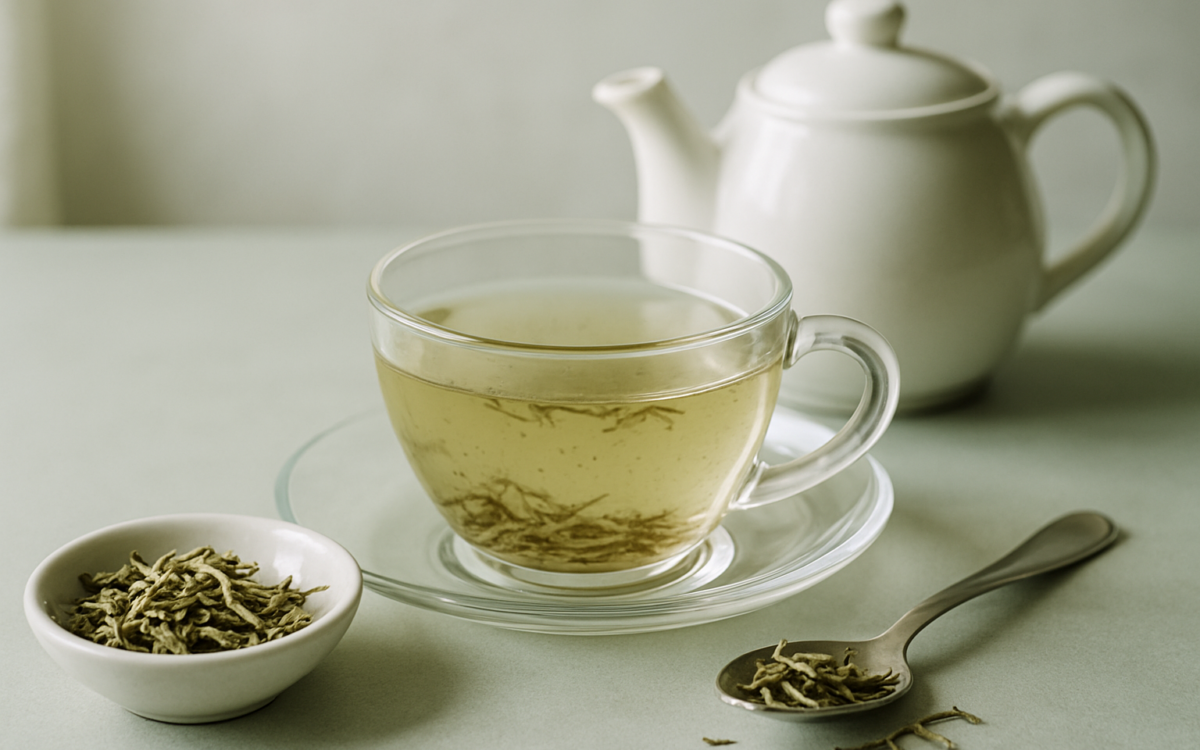
White tea is a delicate and fragrant beverage that has captured the hearts of tea lovers around the world. Originating from the Camellia sinensis plant, it is known for its subtle flavor and light color. While many people enjoy it for its taste, white tea also boasts a range of health benefits that make it worth exploring.
What Is White Tea?
White tea is one of the least processed types of tea, made from the unopened buds and young leaves of the tea plant. The leaves are harvested by hand, then dried gently to preserve their natural flavors and nutrients. This minimal processing contributes to white tea’s light taste and pale color, often described as floral or slightly sweet.
Health Benefits of White Tea
The benefits of white tea are numerous, largely attributed to its high antioxidant content. Antioxidants help protect the body from harmful free radicals, which can cause oxidative stress and lead to chronic diseases.
Rich in Antioxidants
White tea is loaded with polyphenols and catechins, types of antioxidants that are known for their health-promoting properties. These compounds may help reduce inflammation, lower the risk of heart disease, and even improve skin health by combating signs of aging. Studies have shown that white tea contains more antioxidants than green tea and black tea, making it a powerful choice for health-conscious individuals (National Institutes of Health).
Supports Heart Health
Consuming white tea may contribute to better heart health by improving cholesterol levels and reducing blood pressure. The antioxidants in white tea can support the cardiovascular system, which may lower the risk of heart disease. Regularly drinking tea, including white tea, has been linked to lower rates of heart attack and stroke.
Potential Weight Management Aid
For those managing weight, white tea might be a helpful ally. Research suggests that the catechins in white tea can promote fat oxidation and enhance metabolism. While it is not a magic solution for weight loss, integrating white tea into a balanced diet may support your efforts (National Institutes of Health).
The Unique Flavor Profile of White Tea
White tea’s flavor is often described as light and delicate, making it distinct from other types of tea. It has a naturally sweet and floral taste that can be enjoyed hot or iced. The brewing process is essential for maximizing flavor:
Brewing White Tea
When preparing white tea, water temperature and steeping time are crucial. Here’s how to brew the perfect cup:
- Temperature: Use water that is between 160°F to 185°F (70°C to 85°C).
- Steeping Time: Steep the tea for 4 to 5 minutes for optimal flavor.
- Ratio: Use about 2 teaspoons of loose leaf tea for every 8 ounces of water.
These guidelines ensure that the tea retains its subtlety and complexity, providing a refreshing and soothing experience.
White Tea Varieties
Similar to other teas, white tea comes in various types, each with its unique characteristics:
Bai Hao Yinzhen (Silver Needle)
This variety consists solely of the tender buds. It has a sweet and silky taste, making it one of the most sought-after white teas.
Bai Mu Dan (White Peony)
Bai Mu Dan includes both leaves and buds, giving it a bolder flavor compared to Silver Needle. It is often more affordable while still offering rich health benefits.
Possible Drawbacks of White Tea
While white tea is generally safe for most people, moderation is essential. Here are a few considerations:
Caffeine Content
Although white tea generally has less caffeine than black or green tea, it still contains some. If you are sensitive to caffeine, it’s advisable to limit your intake or opt for decaffeinated options.
Interactions with Medications
Some compounds in white tea may interfere with certain medications or medical conditions, including blood thinners and some heart medications. Always consult your healthcare provider if you are concerned about potential interactions.
When to See a Doctor
If you experience any adverse reactions after consuming white tea, such as allergic reactions or other health concerns, it’s important to consult with a healthcare professional. Additionally, those with specific health conditions or those who are pregnant should consult their doctor before making significant changes to their diet.
Conclusion
White tea is more than just a soothing drink; it’s a treasure trove of health benefits and a delightful experience for the senses. Its delicate flavor, rich antioxidant content, and potential health perks make it a great addition to any diet. Whether you’re a seasoned tea connoisseur or a newcomer to the world of tea, white tea offers a refreshing and health-conscious option worth exploring.
