
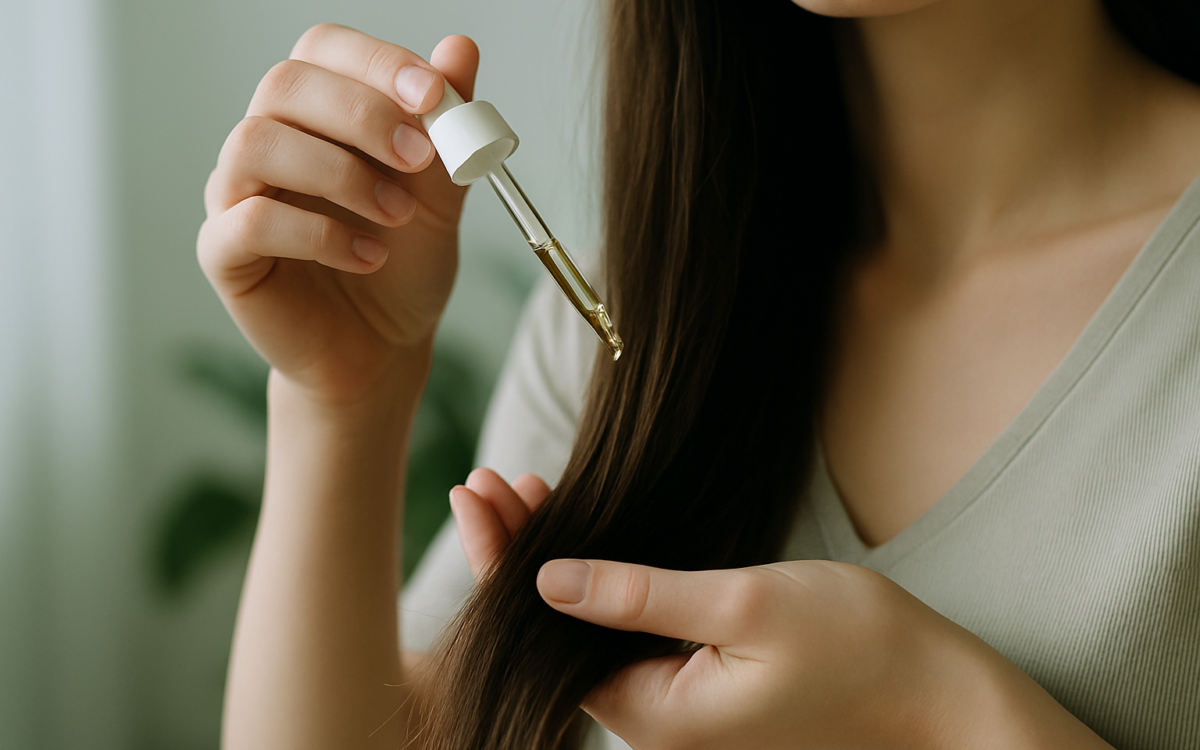
In the quest for luscious, healthy hair, many of us try countless products, facing frustration along the way. One often overlooked solution is the humble hair oil. Hair oils have been used for centuries across different cultures and continue to gain popularity for their nourishing properties. But how exactly can hair oil provide the moisture your hair craves, and how do you choose the right one? Let’s dive into the benefits and uses of hair oil for moisturizing.
Understanding Hair Oil
Hair oil comes in various forms, derived from both natural and synthetic ingredients. Unlike regular conditioner, which mostly targets the cuticle layer of hair, hair oils penetrate deeper, providing moisture and nourishment to both the hair and scalp. They can also help seal the hair cuticle, reducing moisture loss and protecting against environmental damage.
Types of Hair Oils
Choosing the right hair oil is crucial for maximizing its moisturizing benefits. Here are some popular types of hair oils:
- Coconut Oil: Known for its ability to penetrate the hair shaft, coconut oil can help reduce protein loss in hair, making it an excellent choice for moisturizing and strengthening.
- Argan Oil: Rich in essential fatty acids and antioxidants, argan oil deeply hydrates the hair, making it softer and more manageable.
- Olive Oil: A natural emollient, olive oil helps to lock in moisture and provides shine while improving overall hair health.
- Jojoba Oil: Similar to the natural oils produced by our skin, jojoba oil is easily absorbed and helps maintain moisture levels effectively.
Benefits of Using Hair Oil for Moisturizing
Hair oil can do wonders for dry, brittle hair. Here are some of its key benefits:
- Hydration: Oils provide a protective layer over the hair, preventing moisture loss and ensuring hydration.
- Frizz Control: Applying hair oil can smooth down the hair cuticle, reducing frizz and giving your hair a sleeker appearance.
- Damage Protection: Hair oils can help protect your hair from heat styling and environmental factors like pollution and UV rays.
- Scalp Health: Many hair oils can soothe a dry or itchy scalp, which can be a common issue in people with dry hair.[1]
How to Use Hair Oil for Maximum Benefits
Using hair oil effectively can enhance its moisturizing effects. Here are some tips:
- Pre-Wash Treatment: Apply oil to your hair and scalp an hour before shampooing. This can help retain moisture while washing.
- Post-Wash Conditioning: Use a small amount of oil on damp hair to lock in hydration and tame flyaways.
- Overnight Mask: For intense moisture, apply a generous amount of hair oil to your hair before bed and wash it out in the morning.
What to Consider When Choosing Hair Oil
Not all hair oils are the same, and the best choice depends on several factors:
- Hair Type: Oily hair may require lighter oils like jojoba, while curly or coarse hair may benefit from heavier oils like coconut or argan.
- Avoiding Additives: Look for oils that are free from artificial fragrances, silicones, and preservatives to avoid buildup.
- Patch Test: Before applying a new oil to your hair, do a patch test on a small area of skin to check for allergic reactions.
Common Misconceptions About Hair Oil
Despite their benefits, there are several myths about hair oils that can discourage their use:
- Oils Make Hair Greasy: While too much oil can lead to greasiness, using the right amount and type can actually make hair appear healthier and shinier.
- Only for Dry Hair: Hair oil can benefit all hair types. Even oily hair may benefit from the right lightweight oil, as it can help regulate natural oil production.
- All Oils Are the Same: Different oils have unique properties, so it’s essential to choose one that fits your hair’s specific needs.
When to See a Doctor
If you experience persistent dryness, hair loss, or changes in your scalp health that do not improve with the use of hair oils or other hair care treatments, it might be time to consult a healthcare professional. Conditions such as seborrheic dermatitis or alopecia may require specialized treatment.[2]
Conclusion
Incorporating hair oil into your hair care routine can provide significant moisture and nourishment. By understanding the types of oils available and how to use them effectively, you can achieve healthier, more vibrant hair. Remember, each person’s hair is unique, so take the time to find the oil that works best for you, and enjoy the journey to luscious locks!
