
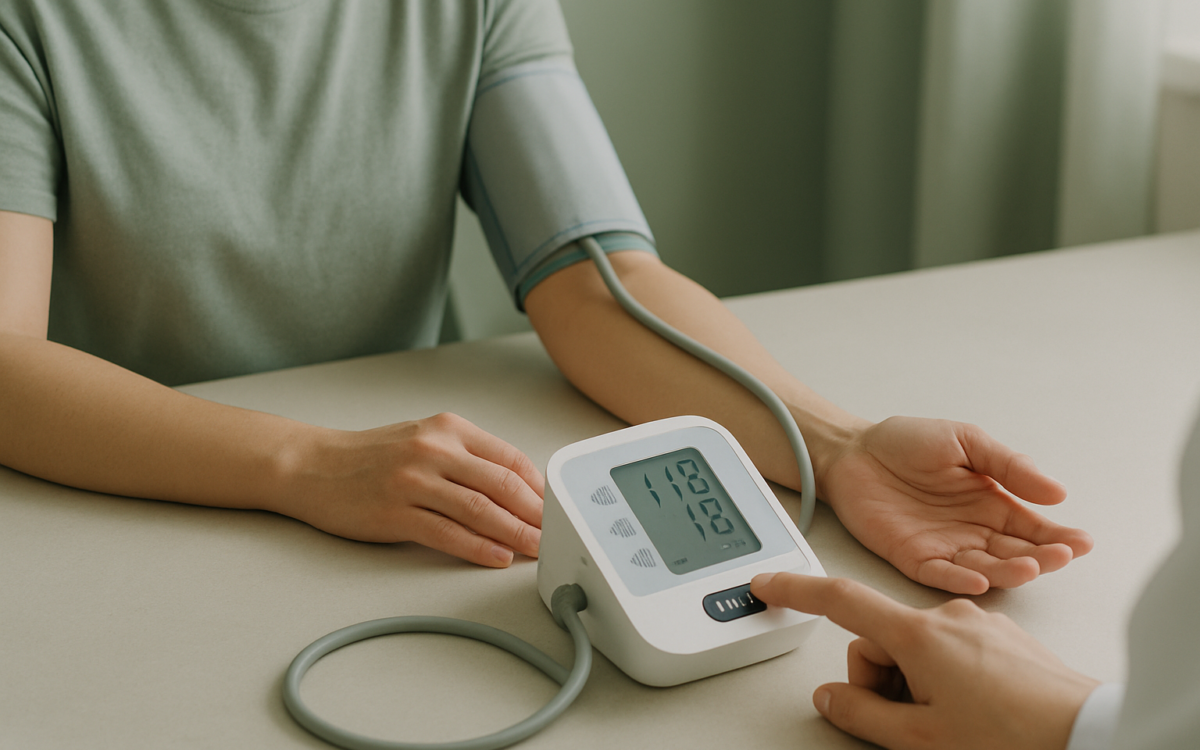
Blood pressure is a crucial indicator of health, reflecting how hard blood pushes against the walls of your arteries. Understanding blood pressure ranges is essential for managing your health, especially in a world where hypertension is increasingly common. Let’s take a closer look at what constitutes a normal blood pressure range and why it matters.
What is Blood Pressure?
Blood pressure (BP) is measured in millimeters of mercury (mm Hg) and is presented as two numbers. The first number, systolic pressure, indicates how much pressure your blood exerts against your artery walls when the heart beats. The second number, diastolic pressure, measures that pressure when your heart rests between beats. A typical reading looks like this: 120/80 mm Hg.
Normal Blood Pressure Ranges
According to the American Heart Association (AHA), blood pressure categories are classified as follows:
- Normal: Systolic < 120 mm Hg and Diastolic < 80 mm Hg
- Elevated: Systolic 120-129 mm Hg and Diastolic < 80 mm Hg
- Hypertension Stage 1: Systolic 130-139 mm Hg or Diastolic 80-89 mm Hg
- Hypertension Stage 2: Systolic ≥ 140 mm Hg or Diastolic ≥ 90 mm Hg
- Hypertensive Crisis: Systolic > 180 mm Hg and/or Diastolic > 120 mm Hg
It’s important to understand these ranges because they help identify risk factors for cardiovascular disease. Keeping your readings within the normal range promotes a healthier lifestyle.
Why Monitoring Blood Pressure is Important
Regularly monitoring your blood pressure can help you understand your cardiovascular health. High blood pressure, or hypertension, is often called the “silent killer” because it usually has no symptoms. Over time, uncontrolled hypertension can lead to serious health problems, including heart disease, stroke, and kidney failure. A strong understanding of blood pressure ranges empowers you to catch any concerning changes early.
Self-Monitoring Tips
Here are some tips for effectively monitoring your blood pressure at home:
- Choose the right device: Use a validated automatic blood pressure monitor. Make sure it fits your arm correctly, as incorrect sizing can lead to faulty readings.
- Check your technique: Sit quietly for at least five minutes before taking a measurement. Keep your arm at heart level and avoid talking during the measurement.
- Track your readings: Maintain a logbook of your readings, noting the date and time. This information can help your healthcare provider identify trends.
Factors Affecting Blood Pressure
Many factors can influence your blood pressure. Understanding these can help you make informed lifestyle choices:
- Diet: A diet high in salt, sugar, and unhealthy fats can increase blood pressure. Conversely, a diet rich in fruits, vegetables, whole grains, and lean proteins can promote healthy levels.
- Exercise: Regular physical activity can help lower blood pressure and maintain a healthy weight.
- Weight: Being overweight or obese increases the risk of hypertension.
- Stress: Chronic stress may contribute to elevated blood pressure. Finding healthy coping mechanisms can be beneficial.
- Aging: Blood pressure tends to rise with age due to changes in blood vessel elasticity.
When to See a Doctor
If you consistently get readings in the elevated range or higher, it’s essential to consult with a healthcare provider. Symptoms that warrant immediate attention include:
- Severe headache
- Shortness of breath
- Nosebleeds
- Heart palpitations
- Chest pain
Even if you feel fine, don’t ignore unusual readings. A healthcare professional can provide guidance on further testing and treatments.
Conclusion
Blood pressure ranges, particularly what constitutes “normal,” are vital for maintaining long-term health. Understanding these categories can help you stay proactive about your cardiovascular wellbeing. Regular monitoring and a healthy lifestyle are key components to thriving in today’s world. For more detailed information on blood pressure and its effects, refer to reputable sources such as the CDC and the Mayo Clinic.”
