
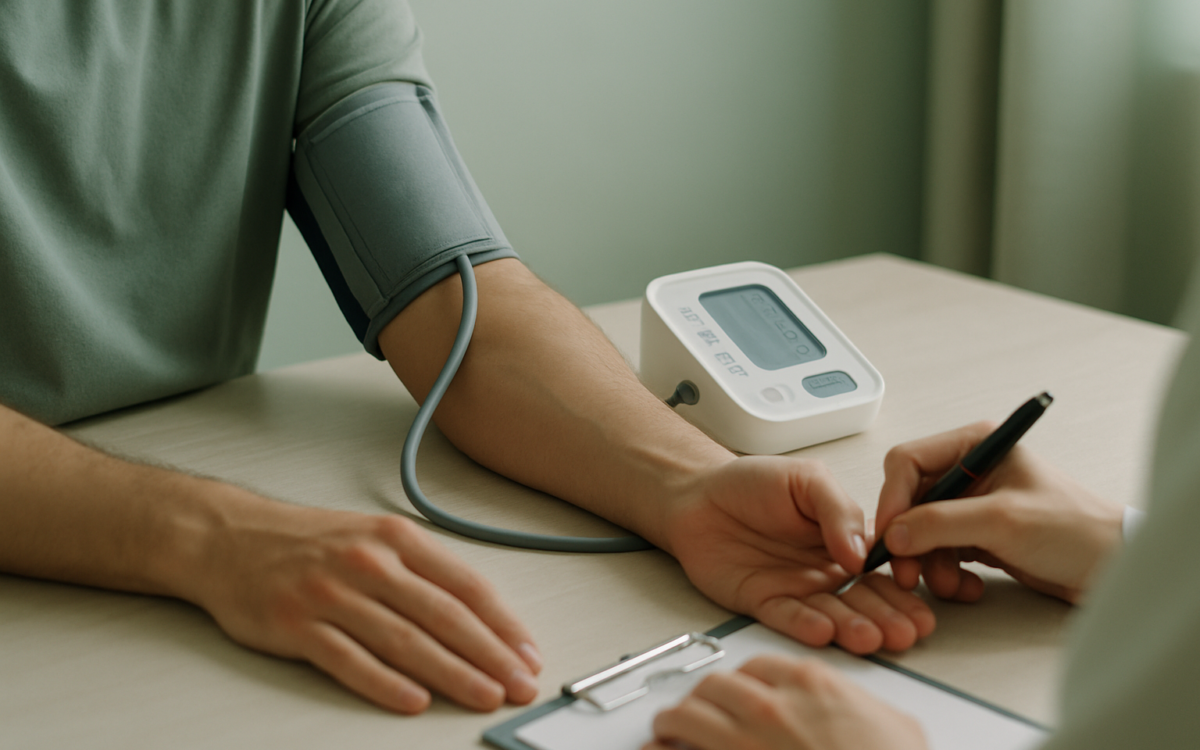
High blood pressure, also known as hypertension, is a common health issue that can lead to serious complications if left unmanaged. One important category of high blood pressure is Stage 1 hypertension. Understanding this condition can help you identify it early, make informed lifestyle changes, and seek medical guidance when necessary.
What is High Blood Pressure Stage 1?
High blood pressure is diagnosed when your blood pressure readings are consistently higher than the normal range. According to the American Heart Association, blood pressure readings are categorized as follows:
- Normal: Less than 120/80 mm Hg
- Elevated: 120-129/<80 mm Hg
- Hypertension Stage 1: 130-139/80-89 mm Hg
- Hypertension Stage 2: 140/90 mm Hg or higher
Stage 1 hypertension means that your systolic pressure (the top number) ranges from 130 to 139 mm Hg and/or your diastolic pressure (the bottom number) is between 80 and 89 mm Hg. This stage signifies an increased risk for heart disease, stroke, and other serious health issues.
Symptoms of High Blood Pressure Stage 1
One of the concerning aspects of high blood pressure is that it often does not present any obvious symptoms. Many individuals with Stage 1 hypertension may feel completely fine, which is why regular blood pressure checks are vital. In some cases, individuals may experience vague symptoms, which can include:
- Headaches
- Dizziness
- Shortness of breath
- Nosebleeds
However, these symptoms can also be related to other conditions, so it is important not to rely solely on them for diagnosis.
Causes and Risk Factors
High blood pressure Stage 1 can arise from a variety of causes and risk factors. Some of the most common include:
- Age: As you get older, your risk of developing high blood pressure increases.
- Family History: A family history of high blood pressure can enhance your risk.
- Weight: Being overweight or obese puts additional strain on your heart.
- Physical Inactivity: A sedentary lifestyle can contribute to weight gain and high blood pressure.
- Diet: A diet high in salt, sugar, and unhealthy fats can affect blood pressure.
- Tobacco and Alcohol Use: Smoking and excessive alcohol consumption can raise blood pressure levels.
- Chronic Stress: Long-term stress can influence hormone levels and affect blood pressure.
Understanding these risk factors can help you take proactive steps to manage your blood pressure.
Managing High Blood Pressure Stage 1
If you’ve been diagnosed with Stage 1 hypertension, make changes to your lifestyle to improve your blood pressure. Here are some effective management strategies:
Diet
A well-balanced diet plays a crucial role in managing high blood pressure. The DASH (Dietary Approaches to Stop Hypertension) diet is often recommended:
- Focus on fruits, vegetables, whole grains, and lean proteins
- Limit saturated fats, cholesterol, and sodium
- Incorporate low-fat dairy products
Physical Activity
Regular physical activity can help lower blood pressure. Aim for at least 150 minutes of moderate aerobic exercise per week, such as:
- Walking
- Swimming
- Cycling
Weight Management
Reaching and maintaining a healthy weight can have a significant impact on your blood pressure. Even modest weight loss can help reduce blood pressure and improve overall health.
Avoiding Tobacco and Excessive Alcohol
Quitting smoking is one of the best things you can do for your health. Also, limit alcohol consumption to one drink per day for women and two for men.
Monitoring Your Blood Pressure
An essential part of managing high blood pressure is regular monitoring. You can check your blood pressure at home using a digital monitor. Keeping a record of your readings can help you and your healthcare provider make necessary adjustments to your management plan. Consider measuring your blood pressure at the same time every day and under similar conditions for the most accurate results.
When to See a Doctor
If you suspect you have high blood pressure or if your readings are consistently within the Stage 1 hypertension range, it’s important to consult a healthcare professional. They can conduct further tests, provide a thorough evaluation, and guide you on the next steps for management and treatment.
Conclusion
High blood pressure Stage 1 is a significant health concern that can be effectively managed with lifestyle changes and regular monitoring. By educating yourself about the condition, you can take proactive steps to protect your health. Always consult your doctor for personalized advice and recommendations tailored to your specific needs.
