
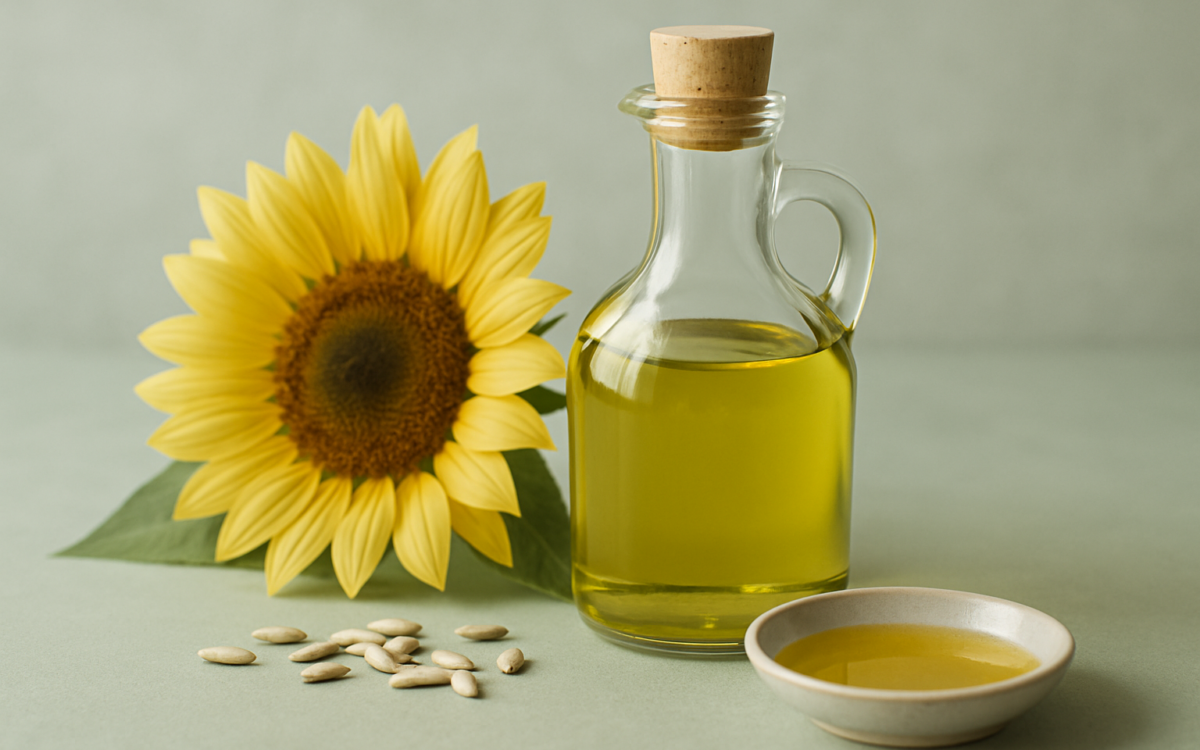
High oleic sunflower oil is gaining popularity in kitchens and restaurants as a healthy cooking oil choice. Extracted from sunflower seeds, this oil is richer in oleic acid than traditional sunflower oil, giving it unique health benefits, stability for cooking, and a pleasant flavor. In this article, we’ll explore what makes high oleic sunflower oil distinct, its health benefits, culinary uses, and other important considerations.
What is high oleic sunflower oil?
High oleic sunflower oil is derived from sunflower seeds bred to produce oil with a high concentration of oleic acid, a type of monounsaturated fat. Unlike traditional sunflower oil, which contains a higher proportion of polyunsaturated fats, high oleic sunflower oil has about 80% oleic acid. This composition lends it several unique characteristics, including higher heat stability and a longer shelf life. This makes it an excellent choice not just for frying but also for salad dressings and marinades.
Health benefits of high oleic sunflower oil
The health benefits of high oleic sunflower oil are drawing attention for several reasons.
Heart Health
Oleic acid is known for its heart-healthy properties. Research shows that diets high in monounsaturated fats can contribute to lower cholesterol levels, helping to reduce the risk of heart disease. Using high oleic sunflower oil in place of saturated fats can thus be beneficial for cardiovascular health. According to the National Institutes of Health, incorporating healthy fats into your diet is essential for maintaining a strong heart.
Rich in Vitamin E
High oleic sunflower oil is an excellent source of vitamin E, a powerful antioxidant. Vitamin E helps protect cells from damage caused by free radicals and supports overall health. Antioxidants are crucial in reducing the risk of chronic diseases, including heart disease and certain cancers. The Mayo Clinic emphasizes the importance of antioxidants in a balanced diet, and high oleic sunflower oil can be a tasty source.
Culinary Uses of High Oleic Sunflower Oil
This oil’s excellent flavor and high smoke point—around 450°F (232°C)—make it versatile in various cooking applications.
Frying and Sautéing
High oleic sunflower oil is ideal for frying due to its stability at high temperatures. Whether frying potatoes or sautéing vegetables, you can enjoy deliciously cooked meals without the worry of producing harmful compounds that can occur when using oils with lower smoke points.
Salad Dressings and Marinades
Thanks to its mild flavor, high oleic sunflower oil is perfect for salad dressings and marinades. It can blend seamlessly with vinegar, lemon, and herbs, providing a nutritious base for your salads without overpowering the other flavors.
International Perspective
The global demand for healthier cooking oils has also led to increased interest in high oleic sunflower oil in countries around the world. Many international cuisines use this oil for its flavor and health benefits. If you’re considering travel or treatment options abroad, you might find high oleic sunflower oil featured in various dishes. For more information on international treatment options and health resources, visit acibademinternational.com, which provides insights into health topics across the globe.
How to Store High Oleic Sunflower Oil
To maximize the shelf life of high oleic sunflower oil, store it in a cool, dark place away from direct sunlight. Make sure it’s tightly sealed to prevent oxidation. While high oleic sunflower oil is more stable than other oils, improper storage can still lead to rancidity. Being aware of expiration dates is essential for maintaining its quality.
Allergies and Considerations
While high oleic sunflower oil is generally safe for most people, individuals with a sunflower seed allergy should avoid it entirely. Always consult with a healthcare provider if you have concerns about how this or any other oil may affect your health, especially if you have existing medical conditions.
When to See a Doctor
If you experience allergic reactions or any unusual symptoms after consuming high oleic sunflower oil, it’s wise to consult a doctor. Symptoms may include skin irritations, digestive issues, or respiratory problems. Additionally, if you have concerns about dietary fats in your diet, discussing these with a healthcare provider can help you make informed choices.
High oleic sunflower oil offers a delightful combination of health benefits and culinary versatility. Its rich profile of healthy fatty acids, combined with the pleasant taste and cooking stability, makes it a worthy addition to your pantry. By embracing this oil, you not only enhance your cooking but also support your health.
