
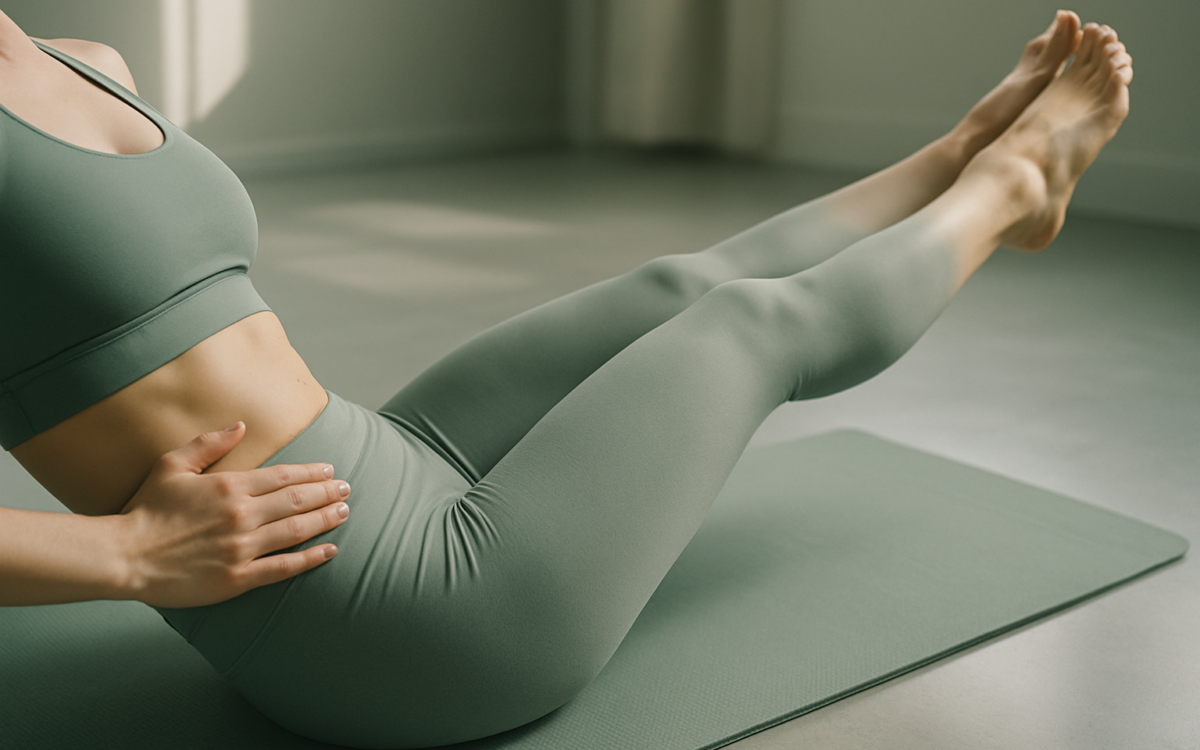
Whether you’re a fitness enthusiast or just starting your journey, working on your lower abs is essential for overall core strength and stability. These muscles help support your spine, improve posture, and enhance athletic performance. But did you know that well-defined lower abs also contribute to a more balanced appearance? In this article, we’ll guide you through effective lower ab workouts, highlighting techniques that anyone can try.
Understanding the Lower Abs
Your lower abs consist of the rectus abdominis and the transversus abdominis. These muscles play a vital role in movements like bending, twisting, and stabilizing your body. Strengthening these areas can improve physical performance and functional strength while also helping to prevent injuries. If you’re looking to tone your lower abs, you’re on the right path!
Why Focus on Lower Ab Workouts?
Research suggests that exercises targeting the lower abs can benefit people of all fitness levels. Strong lower abs help in various everyday activities—from lifting heavy objects to participating in sports. Moreover, a strong core stabilizes the pelvis and spine, which can enhance athletic performance and prevent back pain.
Essential Lower Ab Workouts
There are plenty of effective workouts specifically targeting lower abs. Most of these can be performed at home or in the gym without requiring expensive equipment. Here are some top exercises:
1. Leg Raises
The leg raise is an excellent exercise for targeting the lower abdominals.
- Begin by lying on your back on a mat with your legs straight and together.
- Slowly lift your legs towards the ceiling, keeping them straight.
- Lower your legs back down just above the ground, then lift them again.
- Perform 2-3 sets of 10-15 repetitions.
2. Reverse Crunches
This exercise emphasizes the lower part of your abs.
- Lie on your back with your knees bent and feet flat on the floor.
- Place your arms at your sides for support or behind your head, whichever is more comfortable.
- Engage your core and lift your knees toward your chest, curling your hips off the floor.
- Lower back down and repeat for 2-3 sets of 10-15 reps.
3. Flutter Kicks
Flutter kicks are another great option for lower abs and also engage your hip flexors.
- Lie on your back with your hands under your hips for support.
- Lift your legs off the ground a few inches and alternate kicking them up and down.
- Continue for 30 seconds to a minute, ensuring a steady tempo.
4. Mountain Climbers
This dynamic exercise works your core and improves overall stability.
- Start in a plank position, with your arms straight and body in a straight line.
- Drive one knee towards your chest, then switch legs quickly.
- Continue alternating for 30 seconds to a minute.
Tips for Safe and Effective Workouts
Before starting your lower ab workouts, keep these important tips in mind:
- Always focus on proper form to avoid injury. This means engaging your core and avoiding straining your neck or back.
- Start with fewer repetitions and gradually build up as your strength improves.
- Warm up with gentle stretching or light cardio to prepare your muscles.
- Stay hydrated to keep your body functioning optimally.
Integrating Lower Ab Workouts into Your Routine
To reap the benefits of lower ab workouts, incorporate them into your existing fitness routine. Aim to include these exercises at least two to three times per week, allowing for rest days in between to recover. You can mix and match the exercises mentioned above for variety, making your workout more enjoyable and effective.
When to See a Doctor
If you experience severe pain, discomfort, or unusual symptoms during your workouts, it’s essential to consult a healthcare professional. Issues such as hernias, chronic back pain, or any sudden changes in your physical ability should be addressed immediately.
Conclusion
Lower ab workouts offer more than just aesthetic benefits; they enhance functional strength, stability, and overall fitness. By incorporating exercises like leg raises, reverse crunches, and flutter kicks into your routine, you can build a stronger core while improving your performance in daily activities and sports. Remember to listen to your body and consult a healthcare professional if you have any concerns. Happy exercising!
