
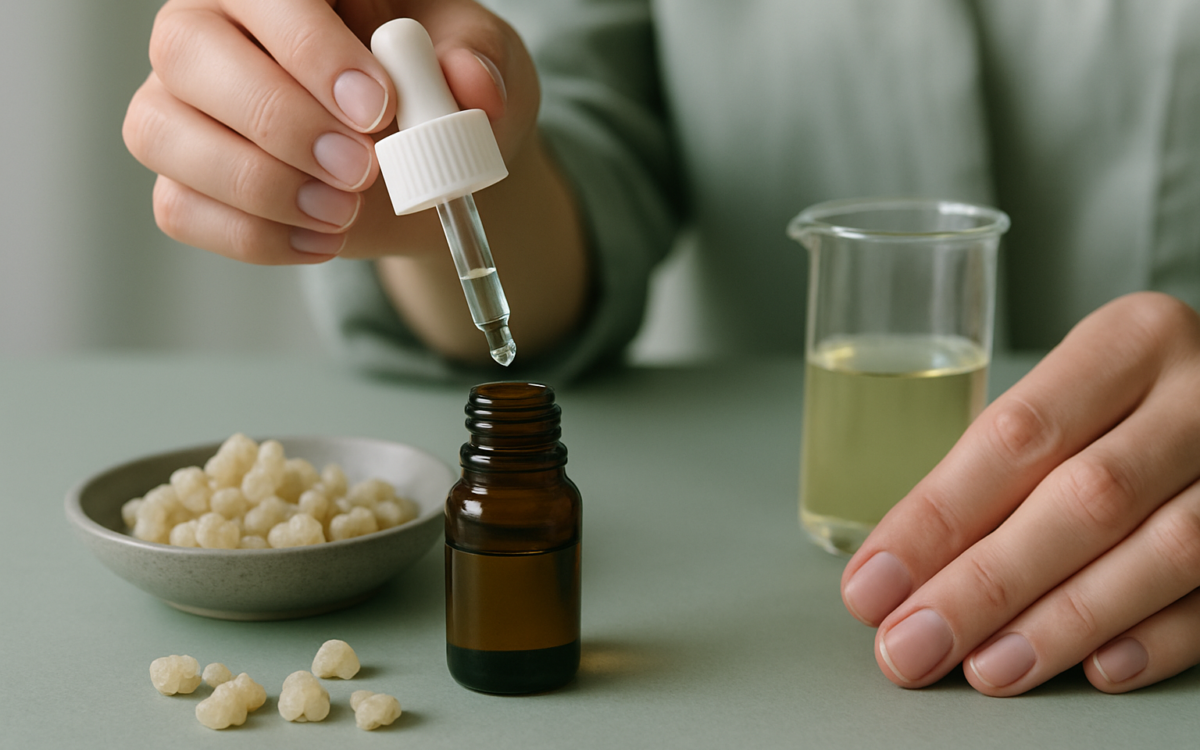
Encens oil, derived from the resin of the Boswellia tree, has been used for centuries in various cultures, primarily in religious and traditional practices. Its distinctive aroma and potential health benefits make it a prized component in incense, perfumes, and alternative therapies. As interest in natural remedies grows, many are exploring the uses and benefits of this unique oil. Let’s delve into what encens oil is, its historical significance, its potential health benefits, and important safety considerations.
What is Encens Oil?
Encens oil, commonly known as frankincense oil, is extracted from the resin of the Boswellia genus of trees. Native to regions in Africa and the Middle East, frankincense has been a significant element in spiritual ceremonies, medical practices, and trade. The oil is harvested by making incisions in the tree bark, allowing the resin to seep out and harden. Once collected, this resin is distilled to create the essential oil.
Historical and Cultural Significance
The use of encens oil dates back thousands of years. It was one of the gifts presented to the infant Jesus by the Magi, symbolizing its importance in ancient cultures. In ancient Egypt, it was utilized in embalming rituals and was believed to promote healing. Frankincense was highly valued; at times, its weight was equal to that of gold. Today, it continues to play roles in religious ceremonies, particularly in Christianity and Buddhism, enhancing meditation and spiritual experiences.
Potential Health Benefits of Encens Oil
Modern research is beginning to validate some traditional uses of encens oil. Here are some potential health benefits that have been supported by scientific studies:
- Anti-inflammatory Properties: Some studies suggest that encens oil contains compounds that may help reduce inflammation in the body. This quality can be beneficial for individuals suffering from conditions like arthritis or asthma. Research has shown that the active ingredients in frankincense oil may affect signaling pathways related to inflammation (NIH).
- Anxiety and Stress Relief: The soothing aroma of encens oil is often used in aromatherapy for its potential to calm the mind and reduce anxiety. Studies have noted that inhaling frankincense may help lower levels of cortisol, the stress hormone.
- Skin Health: Encens oil is often included in skincare products due to its potential to promote healthy skin. It has been used traditionally for scar healing, and current research indicates it may help alleviate conditions such as eczema and acne.
- Respiratory Support: Inhalation of encens oil has been traditionally used to relieve cough and congestion. While anecdotal evidence is strong, more clinical research is needed to fully understand its efficacy for respiratory conditions.
How to Use Encens Oil
Encens oil can be used in several ways, each maximizing its benefits:
- Aromatherapy: Adding a few drops to a diffuser allows you to inhale its powerful scent, potentially reducing stress and anxiety.
- Topical Application: When diluted with a carrier oil (like coconut or jojoba oil), encens can be applied to the skin. This is especially popular for moisturizing skin or treating specific skin conditions.
- Baths: Adding encens oil to bathwater can create a relaxing experience. Just ensure to mix it with a carrier oil first to prevent skin irritation.
- Inhalation: You can inhale the aroma directly from the bottle or from a cotton ball; however, only use this method sparingly due to its potency.
Safety and Precautions
While encens oil is generally considered safe for many people, it’s important to take some precautions:
- Allergic Reactions: Some individuals may be allergic or sensitive to essential oils. If you experience any irritation, discontinue use immediately.
- Pregnancy and Breastfeeding: Pregnant and breastfeeding women should consult their doctors before using frankincense oil.
- Dosage: If using encens oil for therapeutic purposes, it’s crucial to use the correct dosage as directed. Too much can lead to adverse effects.
- Internal Use: Generally, essential oils are not recommended for internal use unless supervised by a healthcare provider.
When to See a Doctor
If you have underlying health conditions, are pregnant, or are breastfeeding, consider consulting your doctor before using encens oil. Also, seek medical attention if you experience allergic reactions, persistent skin irritation, or any other concerning symptoms after using it.
Conclusion
Encens oil is a fascinating natural product that offers various potential health benefits and holds a special place in cultural and historical contexts. While more research is needed to fully understand its therapeutic properties, its traditional uses and reported effects suggest that it can be a valuable addition to natural wellness practices. As with all essential oils, it’s essential to use encens oil safely and consult with a healthcare provider to determine if it’s right for your needs.
