
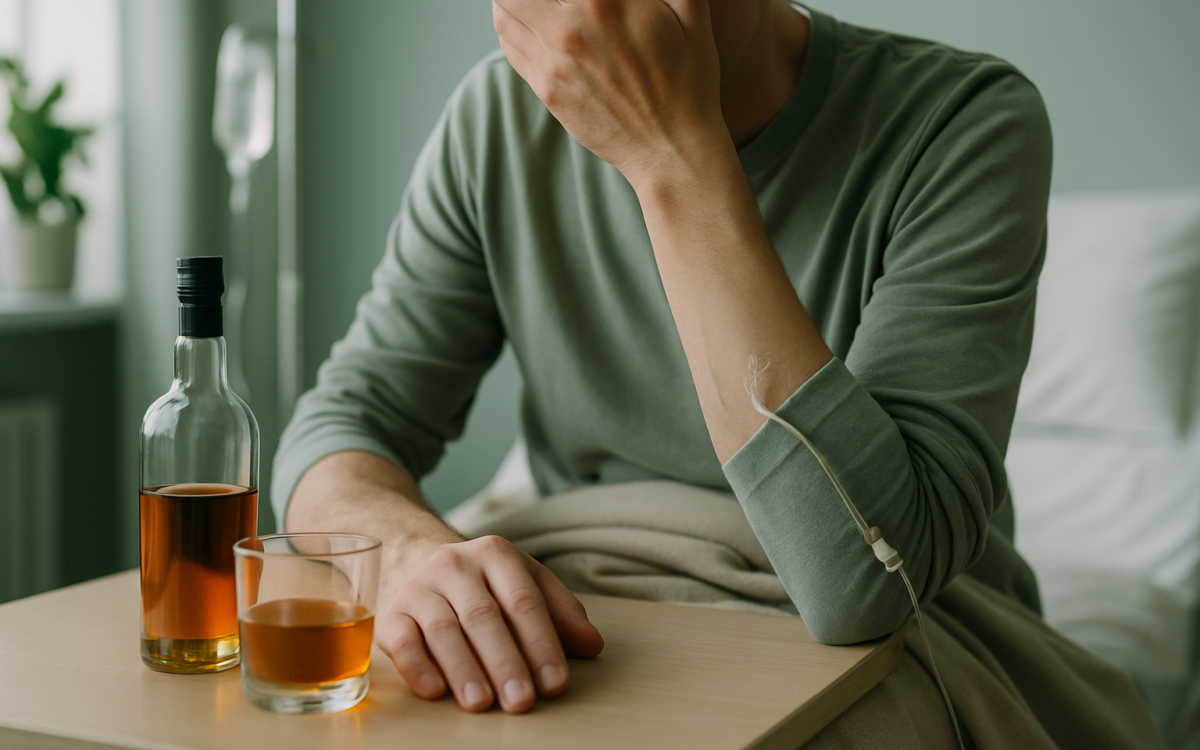
Alcohol use can profoundly impact both your physical and mental health. For those who decide to stop drinking, the experience can be complicated by alcohol withdrawal, also known as alcohol wd. Understanding what withdrawal entails, its symptoms, and how to navigate this challenging phase is essential for anyone looking to regain control over their health.
What is alcohol withdrawal?
Alcohol withdrawal occurs when a person who has been drinking heavily for an extended period suddenly stops or reduces their alcohol intake. The body becomes accustomed to the presence of alcohol, and when it’s no longer available, it can react in various ways. These reactions can range from mild discomfort to severe health issues.
Common symptoms of alcohol withdrawal
The symptoms of alcohol withdrawal can vary widely among individuals, depending on factors like the duration and amount of alcohol consumed, general health, and individual tolerance. Here are some common symptoms:
- Anxiety: Feelings of unease or intense nervousness.
- Tremors: Shaking, particularly in the hands.
- Nausea and vomiting: Feeling sick to the stomach or actually vomiting.
- Insomnia: Difficulty falling or staying asleep.
- Increased heart rate: Racing heart or palpitations.
- Severe cases: Delirium tremens (DTs), characterized by confusion, hallucinations, and seizures.
According to a report by the CDC, symptoms can start as soon as a few hours after the last drink and may last for several days to weeks.
Timeline of withdrawal symptoms
Understanding the timeline of alcohol withdrawal can help someone prepare for what to expect as they stop drinking. Symptoms typically begin within 6 to 24 hours after the last drink, peaking at around 48 to 72 hours. Mild symptoms such as anxiety and tremors may resolve after a week, but more severe symptoms can take longer. Delirium tremens, if it occurs, usually begins within 48 to 72 hours after the last drink and can last for up to a week.
Coping strategies during withdrawal
Navigating alcohol withdrawal can be daunting, but there are strategies that can provide relief and support. Here are several approaches:
- Stay hydrated: Drinking water and electrolyte-rich beverages can help counter dehydration associated with withdrawal.
- Balanced nutrition: Eating healthily supports overall health and can alleviate some withdrawal symptoms.
- Relaxation techniques: Practices like deep breathing, meditation, or yoga can help reduce anxiety and improve mood.
- Seek professional support: Counseling or therapy can address emotional aspects and offer tools for coping.
- Consider medical supervision: For more severe cases, detoxification programs may be necessary. These programs often provide medication to ease symptoms and reduce risks.
For those considering international treatment, resources like international patient services can provide helpful information about options abroad that may specialize in alcohol withdrawal.
The role of medication in withdrawal management
In some cases, healthcare professionals may prescribe medications to help manage withdrawal symptoms. Common medications include:
- Benzodiazepines: These can help reduce anxiety and prevent severe complications, like seizures.
- Anticonvulsants: These may be used to manage seizures and other symptoms.
- Thiamine supplements: Often prescribed to prevent complications such as Wernicke-Korsakoff syndrome, a serious brain disorder caused by alcohol-related thiamine deficiency.
It’s important to discuss medication options with a healthcare provider to ensure safety and effectiveness for your specific situation.
When to see a doctor
If you or someone you know is experiencing symptoms of alcohol withdrawal, it’s crucial to consult a healthcare provider. Signs that immediate medical attention is needed include:
- Severe anxiety or agitation
- Confusion or hallucinations
- Severe tremors
- Seizures
Withdrawal can be serious and potentially life-threatening, so professional assessment is necessary.
Conclusion
Understanding alcohol withdrawal is key to overcoming alcohol dependence. With the right support, treatment, and coping mechanisms, individuals can navigate this challenging phase effectively. Remember, it’s essential to consult with a healthcare professional when transitioning away from alcohol, as they can help ensure a safe and tailored approach to healing.
