
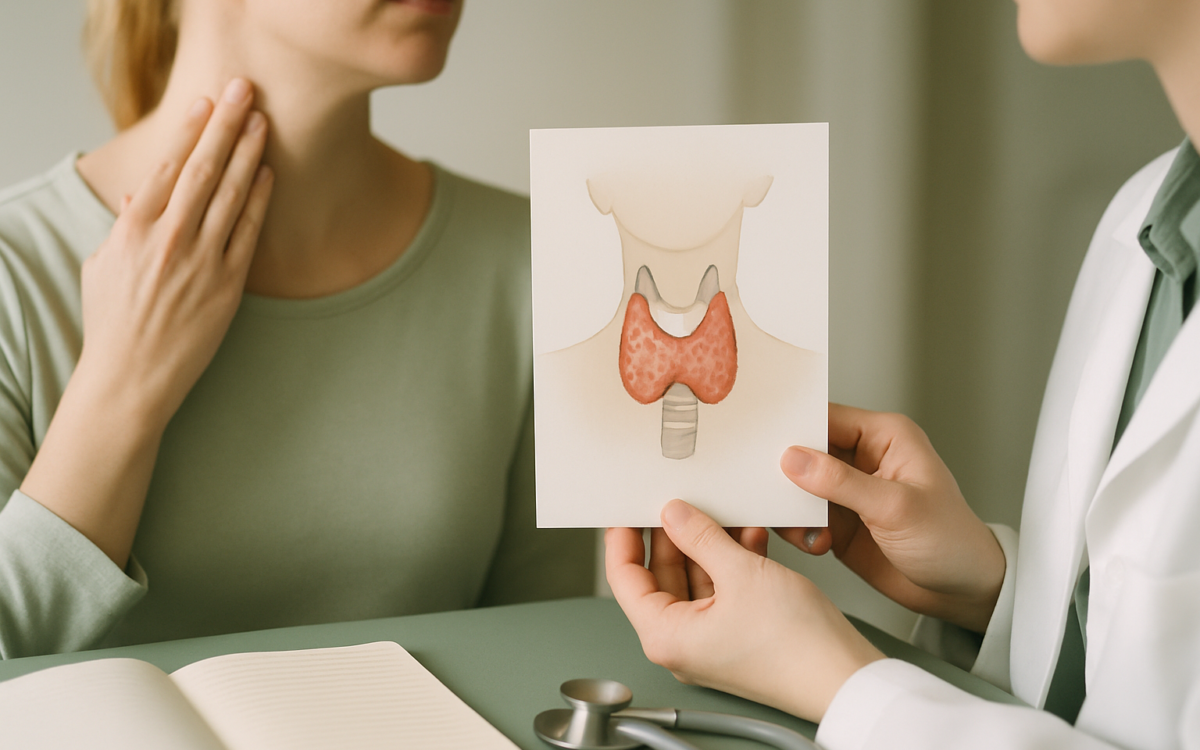
Hashimoto’s thyroiditis is an autoimmune disorder that affects the thyroid gland, a small butterfly-shaped organ at the base of your neck. This condition can go unnoticed for years, making it important to understand its symptoms, diagnosis, and treatment options. Knowing what Hashimoto’s is can empower patients to seek the right care and support.
What is Hashimoto’s thyroiditis?
Hashimoto’s thyroiditis, often simply called Hashimoto’s, occurs when the immune system mistakenly attacks the thyroid gland. This leads to inflammation and can eventually impair the thyroid’s ability to produce enough hormones, resulting in hypothyroidism (an underactive thyroid). According to the National Institutes of Health, Hashimoto’s is one of the most common forms of thyroid dysfunction.
Symptoms of Hashimoto’s
The symptoms of Hashimoto’s can vary widely from person to person, and they may develop slowly over time. Common signs include:
- Fatigue and weakness
- Weight gain
- Cold intolerance
- Constipation
- Dry skin and hair
- Depression
Some individuals may experience more specific symptoms, such as a goiter (an enlargement of the thyroid), muscle weakness, or joint pain. Because some symptoms are vague or can be attributed to other conditions, Hashimoto’s is often misdiagnosed initially.
How is Hashimoto’s diagnosed?
Diagnosing Hashimoto’s typically involves a combination of a physical examination, a review of your symptoms, and laboratory tests. Blood tests are used to measure the level of thyroid hormones, such as Thyroxine (T4) and Thyroid-Stimulating Hormone (TSH). Additionally, tests for antibodies, including Anti-TPO antibodies, can confirm an autoimmune process is taking place.
According to the Mayo Clinic, early diagnosis is crucial in managing the condition effectively and preventing complications associated with long-term hypothyroidism.
Treatment options for Hashimoto’s
While Hashimoto’s is a chronic condition, managing it is possible. The main treatment for hypothyroidism caused by Hashimoto’s is hormone replacement therapy. Levothyroxine is a synthetic hormone that helps restore normal hormone levels in the body. It’s typically taken daily and can help alleviate many of the symptoms associated with an underactive thyroid.
In some cases, patients may look into international treatment options. Facilities such as Acibadem International offer specialized programs aimed at managing autoimmune conditions and might provide alternative therapies or support systems that help in symptom management.
Lifestyle changes to manage Hashimoto’s
In addition to medication, lifestyle changes can play a significant role in managing Hashimoto’s. Here are a few recommendations:
- Dietary adjustments: Some studies suggest that gluten sensitivity may relate to autoimmune conditions. A balanced diet rich in fruits, vegetables, lean proteins, and healthy fats can support overall health.
- Regular exercise: Engaging in physical activity helps maintain a healthy weight and boosts energy levels, countering fatigue often associated with Hashimoto’s.
- Stress management: Practices such as yoga, meditation, or mindfulness can help reduce stress, which is known to potentially worsen autoimmune conditions.
These lifestyle changes, combined with medication, can create a more comprehensive management plan tailored to individual needs.
Living with Hashimoto’s
Living with Hashimoto’s can be challenging, but having the right support and education can help. It’s essential to stay informed about your condition and maintain regular check-ups with your healthcare provider. Building a strong support system, whether through family, friends, or support groups, can make a significant difference in managing symptoms.
It’s also crucial to communicate openly with your doctor about any changes in your symptoms or overall health. Because Hashimoto’s can impact various bodily functions, having regular monitoring can help catch potential complications early.
When to see a doctor
If you notice symptoms of fatigue, weight changes, or an unusual feeling in your neck, it’s essential to consult a healthcare professional. Early diagnosis and treatment can significantly improve your quality of life and help manage Hashimoto’s effectively.
Conclusion
Understanding Hashimoto’s thyroiditis can empower you to take control of your health. While the autoimmune process can be complex, recognizing symptoms and seeking timely diagnosis and treatment will help you manage this condition effectively. Don’t hesitate to reach out to a healthcare provider to discuss any concerns or symptoms you may be experiencing.
