
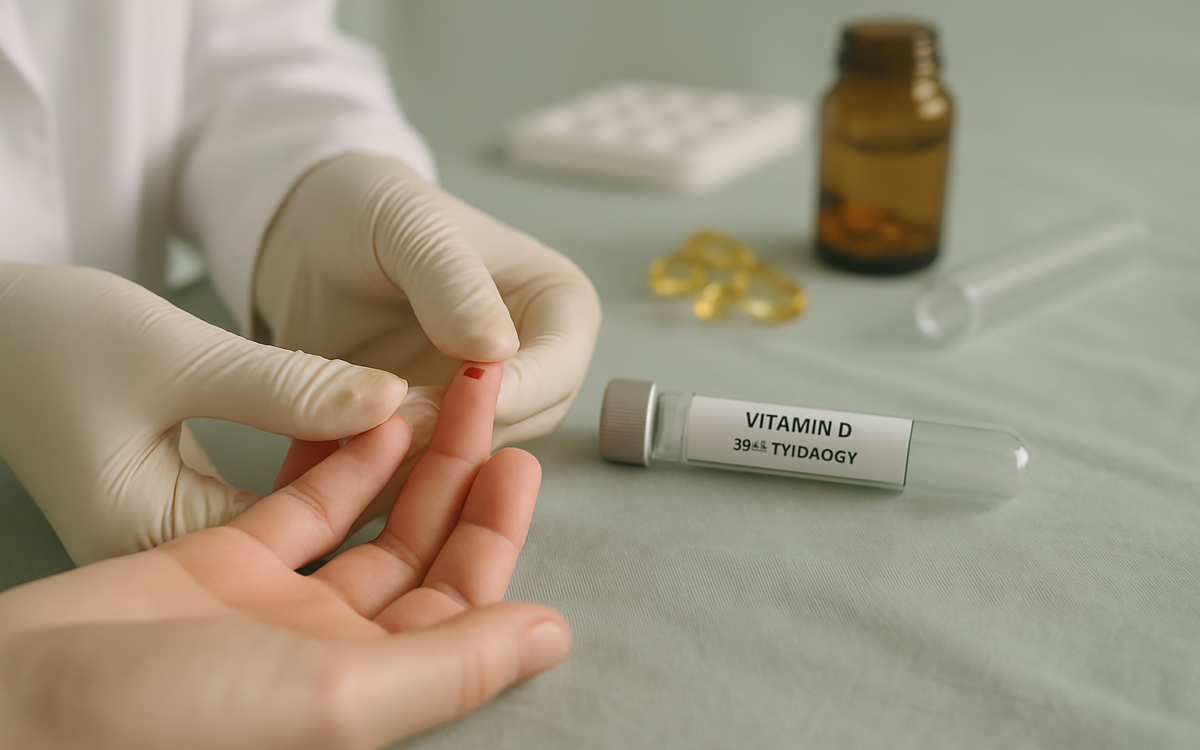
Vitamin D is a crucial nutrient that plays a significant role in our overall health. One of the most important forms of vitamin D is 25-hydroxyvitamin D, often abbreviated as 25(OH)D. This compound acts as a marker for measuring vitamin D levels in the body, helping us understand if we’re getting enough of this essential vitamin. This article will explore what vitamin D 25-hydroxy is, why it’s important, how to get tested, and what to do if you find that you have low levels.
What is vitamin D 25-hydroxy?
Vitamin D is unique because our bodies can produce it naturally when exposed to sunlight. However, it can also be obtained through certain foods and supplements. Vitamin D exists in two main forms: D2 (ergocalciferol) and D3 (cholecalciferol). When vitamin D is processed by the liver, it converts into 25-hydroxyvitamin D. This form is what health professionals monitor to assess a person’s vitamin D status.
Why is vitamin D 25-hydroxy important?
Vitamin D plays a key role in many bodily functions, including:
- Bone health: It helps the body absorb calcium, essential for maintaining strong bones.
- Immune function: Adequate levels support the immune system, helping to defend against infections.
- Muscle function: It contributes to muscle strength and coordination.
- Mood regulation: Some studies suggest a link between vitamin D levels and mood disorders.
- Chronic disease prevention: Research suggests that having sufficient vitamin D may lower the risk of certain chronic diseases, such as osteoporosis and cardiovascular issues.
How to test for vitamin D 25-hydroxy levels
Measuring vitamin D levels typically involves a blood test that looks for 25(OH)D. A healthcare provider can recommend this test if you have symptoms of deficiency, such as fatigue, bone pain, or mood changes. The results help determine if your vitamin D levels are:
- Deficient: Less than 20 ng/mL (nanograms per milliliter)
- Insufficient: 20 to 29 ng/mL
- Optimal: 30 to 50 ng/mL
- Potentially too high: Over 100 ng/mL
It’s important to note that the interpretation of these values can vary slightly depending on the laboratory and the patient’s individual health status.
Food sources of vitamin D
Since vitamin D deficiency can impact health, it’s important to include sources of the vitamin in your diet. Here are some excellent food sources of vitamin D:
- Fatty fish: Salmon, mackerel, and tuna are rich in vitamin D.
- Cod liver oil: A single tablespoon can provide a significant portion of your daily requirement.
- Fortified foods: Many dairy products, orange juices, and cereals are fortified with vitamin D.
- Egg yolks: A natural source of vitamin D.
- Mushrooms: Specifically, those exposed to UV light contain higher levels of the vitamin.
For those who find it challenging to meet their vitamin D needs through food alone, supplements might be a practical option. Always consult your healthcare provider before starting any new supplement regimen.
Global perspective and treatment options
The prevalence of vitamin D deficiency varies around the world. Factors such as geography, skin color, diet, and lifestyle can significantly influence vitamin D levels. In some places with limited sun exposure or cultural practices that involve covering the skin, individuals may struggle to get enough vitamin D.
If you find yourself in this situation, visiting a healthcare facility like acibademinternational.com may be beneficial. International treatment options can provide various approaches to address vitamin D deficiency, including advanced testing, personalized dietary recommendations, and tailored supplementation plans.
When to see a doctor
If you’re concerned about your vitamin D levels, especially if you experience symptoms of deficiency, it’s essential to consult a healthcare professional. Additionally, if you have health conditions that may affect vitamin D metabolism, such as kidney disease or certain gastrointestinal disorders, working with a doctor is crucial.
Conclusion
Understanding vitamin D 25-hydroxy is vital for maintaining health and well-being. Regular testing, awareness of dietary sources, and seeking medical advice when needed can help ensure that you maintain optimal vitamin D levels. Remember that a balanced approach—combining sun exposure, dietary sources, and, if necessary, supplementation—can play a key role in protecting your health.
