
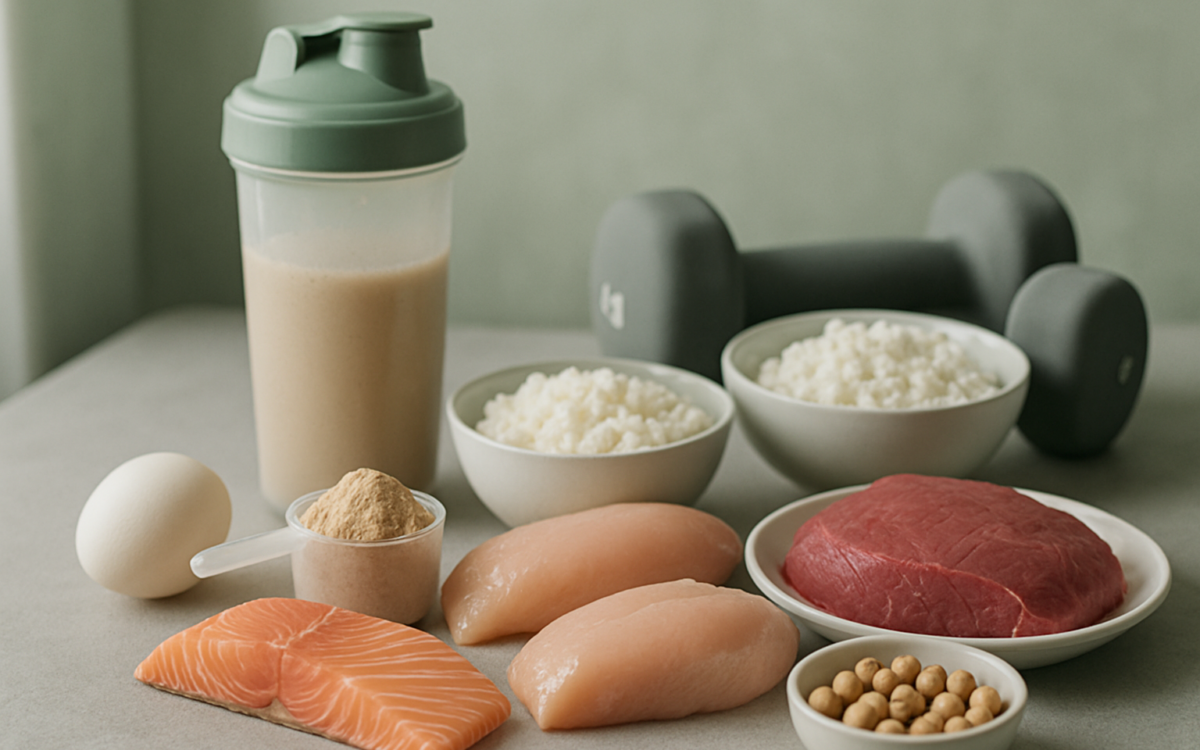
Building muscle is a common goal for many people, whether they are athletes, fitness enthusiasts, or simply looking to enhance their health. One of the key components in this journey is protein. But how much protein do you really need to build muscle effectively? This article will explore the role of protein in muscle growth, how much you should consume, and other factors that play a role in optimizing your gains.
Understanding Protein’s Role in Muscle Building
Protein is an essential macronutrient that serves as the building block for muscles. When you engage in resistance training, such as weightlifting, your muscle fibers undergo stress and sustain minor damages. The body repairs these fibers by synthesizing new protein strands, which is crucial for muscle growth. This process, known as muscle protein synthesis, relies heavily on adequate protein intake.
How Much Protein Do You Need?
The amount of protein needed to build muscle can vary from person to person, depending on factors like age, sex, weight, and level of physical activity. According to the National Institutes of Health, a general guideline for most adults is to consume a minimum of 0.8 grams of protein per kilogram of body weight. For those looking to build muscle, the recommendation is typically higher:
- Beginner Weight Lifters: 1.2 to 1.6 grams of protein per kilogram of body weight.
- Experienced Lifters: 1.6 to 2.2 grams of protein per kilogram of body weight.
This means that a 70 kg (about 154 lbs) individual should aim for approximately 84 to 154 grams of protein daily, depending on their training intensity.
Factors Influencing Protein Needs
While the above guidelines provide a solid framework, several factors can influence your protein needs:
1. Level of Physical Activity
Individuals engaging in intense resistance training or high volumes of endurance exercises may require more protein to recover and build muscle effectively. Athletes, especially those involved in strength sports, often fall into the higher ranges of protein intake.
2. Age
As we age, maintaining muscle mass becomes increasingly important, as older adults experience natural muscle loss known as sarcopenia. A higher protein intake can help mitigate this loss, and some studies suggest that older adults might benefit from intakes closer to 1.6 to 2.0 grams per kilogram of body weight.
3. Health Status
Your overall health can impact your protein needs. Conditions such as chronic illness, injury, or surgery may increase your protein requirements to support muscle maintenance and recovery.
Types of Protein and Their Sources
Not all proteins are created equal. They can be categorized into two main types: animal protein and plant protein.
Animal Protein Sources
Animal-based proteins usually contain all essential amino acids, making them complete proteins. Good sources include:
- Lean meats (chicken, turkey, beef)
- Fish and seafood
- Dairy products (milk, yogurt, cheese)
- Eggs
Plant Protein Sources
Plant proteins can be slightly more complex since they may not contain all the essential amino acids, but combining various sources can provide complete protein. Good plant-based sources include:
- Legumes (beans, lentils, chickpeas)
- Nuts and seeds
- Whole grains (quinoa, brown rice)
- Tofu and tempeh
Timing Your Protein Intake
When you consume protein can also play a significant role in muscle building. Research indicates that spreading protein intake throughout the day and consuming a source of protein shortly after your workout can maximize muscle protein synthesis. Aim for about 20-30 grams of protein in each meal and consider protein-rich snacks post-workout to replenish and repair your muscles.
Common Myths About Protein Intake
There are many misconceptions around protein intake that could hinder your muscle-building journey. Let’s debunk a few:
Myth 1: More protein is always better
While adequate intake is essential, excessively high protein consumption doesn’t necessarily lead to increased muscle gain. Your body can only utilize a certain amount at a time, and any excess may be stored as fat.
Myth 2: You can get enough protein from diet alone
While it’s certainly possible for most people to meet their protein needs through diet alone, some who follow plant-based diets or have specific health conditions may find it helpful to consider protein supplements to meet their goals. Always consult a healthcare professional before starting any supplement regimen.
When to See a Doctor
If you are unsure about how much protein you should be consuming, or if you have questions regarding your dietary needs, it’s wise to consult a healthcare professional or a registered dietitian. This is especially important if you have any underlying health conditions that may impact your dietary requirements.
Conclusion
Protein is a vital component of muscle building and recovery. Understanding your individual needs based on various factors can help you optimize your intake for better muscle gains. Remember to combine adequate protein with a balanced diet, proper hydration, and a structured workout routine for the best results. Always consult a healthcare professional before making substantial changes to your diet or exercise regimen.
