
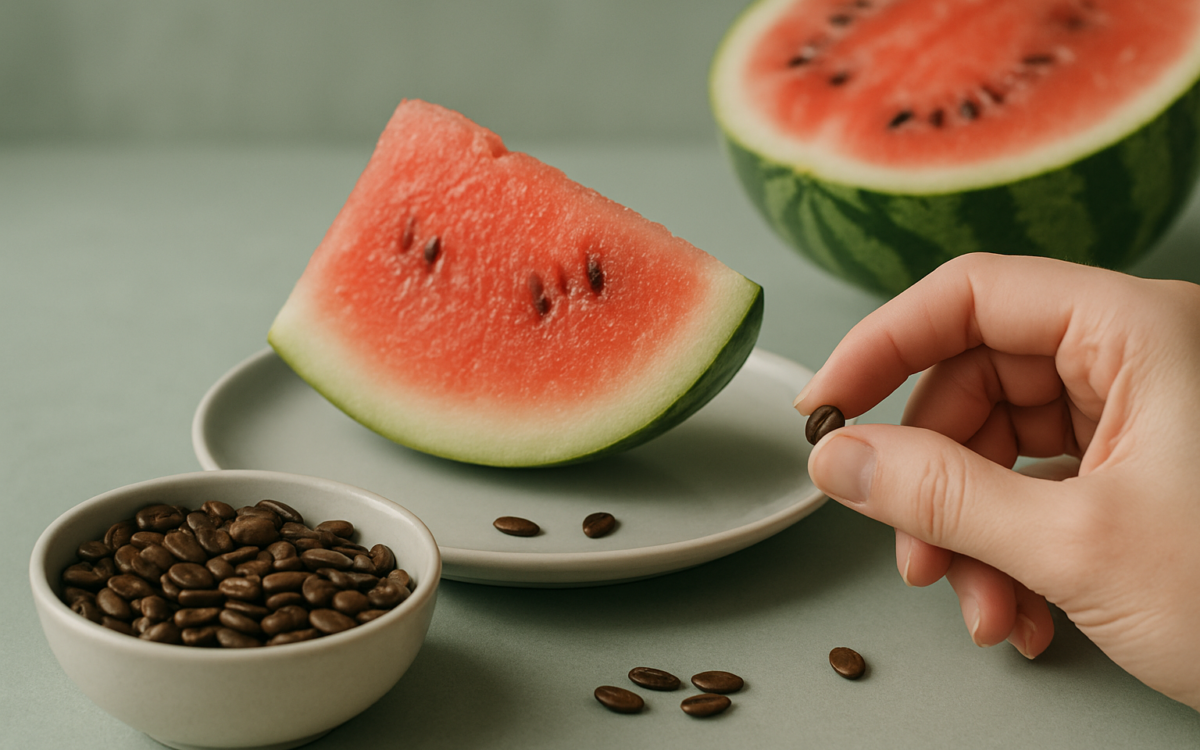
When you think of summer fruits, watermelon is usually at the top of the list. This refreshing, juicy treat has a lot going for it, but its seeds often get a bad rap. Most people just spit them out without a second thought. However, watermelon seeds can actually be quite nutritious and offer several health benefits. Let’s dive into why you might want to rethink those tiny seeds next time you enjoy this delightful fruit.
What Are Watermelon Seeds?
Watermelon seeds are the small, oval-shaped seeds found in the flesh of the watermelon. They usually come in two color varieties: black and white. The seeds, much like the flesh of the watermelon, contain nutrients that can contribute to your overall health. While most people consider them waste, they are actually packed with essential vitamins, minerals, and healthy fats.
Nutritional Value of Watermelon Seeds
Watermelon seeds may be small, but they are mighty in terms of nutrition. Just a handful of these seeds provides various health benefits:
- Protein: Watermelon seeds are a good source of plant-based protein. A 100-gram serving contains about 30 grams of protein, making them an excellent snack for those looking to increase their protein intake.
- Healthy Fats: These seeds are rich in unsaturated fats, particularly polyunsaturated fatty acids, which support heart health.
- Vitamins and Minerals: Watermelon seeds are a source of several important nutrients, including magnesium, zinc, and iron. Magnesium, for instance, supports muscle and nerve function, while zinc is essential for immune system health.
For more detailed nutritional information, you can refer to resources like the National Institutes of Health (NIH).
Health Benefits of Watermelon Seeds
In addition to their nutritional profile, watermelon seeds offer a variety of health benefits:
- Heart Health: The unsaturated fats found in watermelon seeds can help reduce cholesterol levels and improve heart health. A study published in a peer-reviewed journal confirmed that diets rich in unsaturated fats can lower cardiovascular disease risk.
- Weight Management: High in protein and fiber, watermelon seeds can help keep you full for longer, which may assist in weight management by curbing appetite.
- Bone Health: The magnesium and zinc in watermelon seeds play a role in maintaining strong bones. Magnesium helps with calcium absorption, important for bone density.
As always, it’s best to consult a healthcare professional for personalized dietary advice.
How to Enjoy Watermelon Seeds
Now that you know the benefits, you might be wondering how to incorporate watermelon seeds into your diet. Here are some creative ways to enjoy them:
- Roasted Seeds: One of the simplest ways to enjoy watermelon seeds is by roasting them. Just rinse and dry the seeds, toss them with a small amount of oil and your choice of seasonings (like salt, garlic powder, or paprika), and roast at 350°F for about 10-15 minutes.
- Seed Butter: Similar to peanut butter, you can blend roasted watermelon seeds into a smooth, creamy seed butter. This can be spread on toast or used as a dip for fruits and vegetables.
- Granola and Trail Mix: Add roasted watermelon seeds to your granola or trail mix for an extra crunch and nutritional boost. They pair well with nuts, dried fruits, and dark chocolate.
Experimenting with watermelon seeds can lead to delicious recipes while boosting your nutrient intake.
Is There Any Danger in Eating Watermelon Seeds?
Generally, watermelon seeds are considered safe to eat. However, there are a few things to note:
- Digestive Issues: Some people may experience digestive discomfort if they consume large amounts of seeds, especially if not properly chewed. It’s a good idea to start with small servings and see how your body reacts.
- Allergic Reactions: While rare, some individuals may have an allergy to seeds. If you notice any unusual symptoms after consuming watermelon seeds, consider consulting a healthcare professional.
Always listen to your body and consult with a doctor if you have concerns.
When to See a Doctor
If you experience severe digestive issues or allergic reactions after eating watermelon seeds, it’s important to seek medical attention. Additionally, consult a healthcare provider if you have ongoing concerns about your diet or health.
Conclusion
Watermelon seeds may be small, but they hold a wealth of nutritional benefits that are often overlooked. By incorporating them into your diet through simple recipes and snacks, you can enjoy their delicious flavors while reaping their health benefits. So, the next time you slice into a watermelon, remember to save those seeds!
