
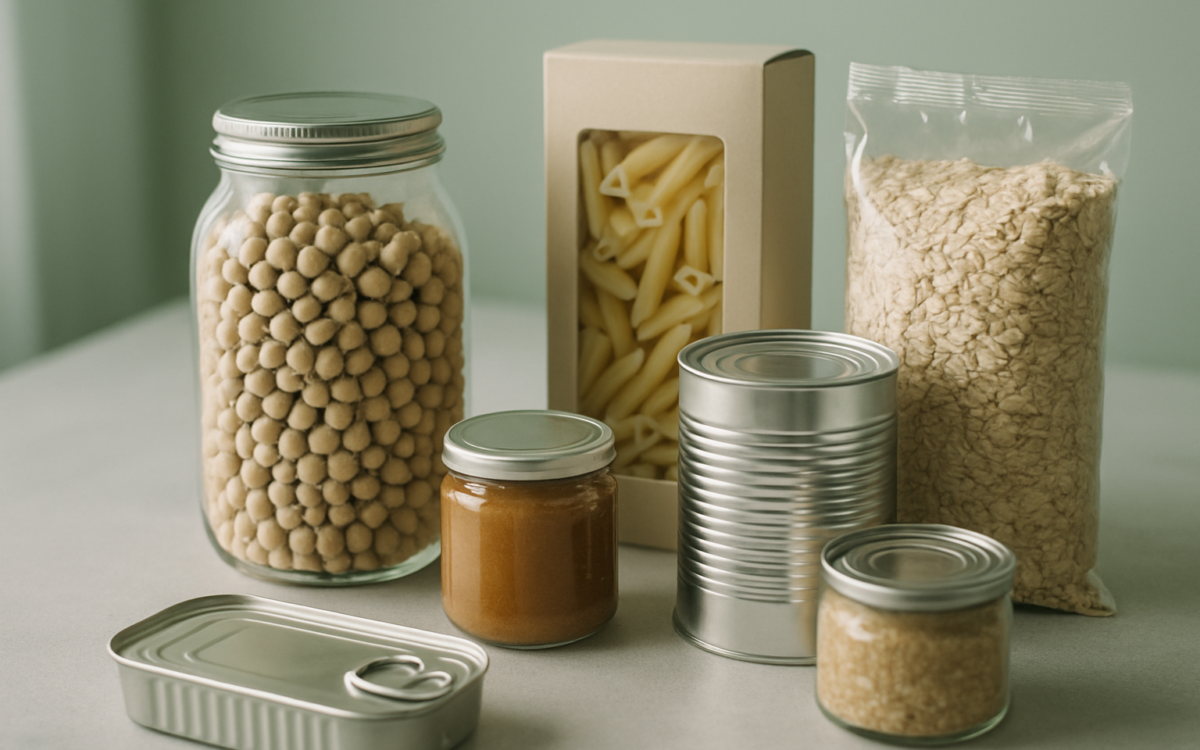
In today’s fast-paced world, having a well-stocked pantry can provide security, convenience, and a pathway to healthier eating. Non-perishable foods play a crucial role in ensuring you always have nourishing options available, whether for everyday meals or emergencies. Let’s explore the benefits of non-perishable foods, what types to consider, and how to incorporate them into your diet.
What are Non-Perishable Foods?
Non-perishable foods are those that can be stored for extended periods without spoiling. Unlike fresh produce, these foods don’t require refrigeration and can last months or even years. They are typically packaged to withstand various environmental factors, making them ideal for your pantry. Common examples include canned goods, dried legumes, grains, and some processed foods.
Benefits of Non-Perishable Foods
Stocking up on non-perishable foods offers several advantages:
- Convenience: Non-perishable foods are easy to prepare, requiring minimal cooking time, which is perfect for busy lifestyles.
- Cost-Effective: Buying in bulk often saves money in the long run. You can purchase these foods during sales and stock up.
- Reduced Food Waste: Since non-perishable items last longer than fresh foods, they help reduce waste and can be used in emergencies.
- Nutritional Value: While fresh foods are often seen as the healthiest, many non-perishable foods retain essential nutrients and can be part of a balanced diet.
Types of Non-Perishable Foods
Knowing which non-perishable foods to buy can help you maintain variety and nutrition in your meals. Here are some recommended categories with examples:
Canned Goods
Canned vegetables, fruits, beans, and soups are fantastic options. They retain most of their nutrients and can easily be added to various dishes, from salads to stews.
Grains and Pasta
Foods like rice, quinoa, lentils, and pasta are staples that serve as ideal bases for meals. They are filling, versatile, and can be flavored in countless ways.
Nut Butters and Oils
Peanut butter, almond butter, and olive oil are excellent sources of healthy fats. They can be used in snacks or as a cooking ingredient.
Frozen Non-Perishables
While technically not non-perishable in the traditional sense, frozen foods can be included here because they can be stored for a long time without losing their nutritional value. Frozen fruits and vegetables can be great alternatives to fresh ones when not in season.
Understanding how to incorporate these foods into your diet can help you maintain a balanced nutrition plan. For instance, consider making a hearty chili with canned beans, tomatoes, and spices, or a refreshing grain bowl with quinoa, canned beans, and frozen veggies.
Preparing for Emergencies
Non-perishable foods are especially valuable during emergencies such as natural disasters, pandemics, or food shortages. Having a supply of nutritious items on hand can provide peace of mind and keep you and your family well-fed during uncertain times.
When building your emergency food supply, consider factors like your family’s dietary needs and preferences. Include a variety of foods that everyone enjoys. Aim for a balanced selection—don’t forget to include proteins, carbohydrates, fruits, and vegetables. The Acibadem International guide can help you understand how different dietary needs might affect your food choices, especially in global contexts.
Storage Tips for Non-Perishable Foods
To ensure that your non-perishable food stays fresh and nutritious, keep these storage tips in mind:
- Cool, Dry Place: Store food in a cool, dry area away from direct sunlight to extend shelf life.
- Check Expiration Dates: Regularly inspect your pantry and rotate your stock. Use items before their expiration dates.
- Airtight Containers: For items like grains and nuts, use airtight containers to prevent moisture and pests from spoiling your food.
Incorporating Non-Perishables into Your Diet
To make the most of your non-perishable food stash, think creatively about how to include these items in your meals:
- Plan Meals: When planning your weekly meals, include recipes that use non-perishable ingredients. Look for inspiration from cookbooks or food blogs that focus on pantry meals.
- Make Snack Packs: Combine nut butters with whole-grain crackers or rice cakes for a quick, healthy snack.
- Experiment: Don’t hesitate to try new recipes incorporating different non-perishable foods. Mix canned ingredients with fresh items to create a variety of dishes.
By being mindful of how you use non-perishable foods, you can ensure a balanced and varied diet even when fresh produce isn’t readily available.
When to See a Doctor
While non-perishable foods are generally safe to consume, it’s essential to be aware of food safety practices. If you experience any symptoms of food poisoning, such as nausea, vomiting, or diarrhea after consuming these foods, consult a healthcare professional. Additionally, if you have specific dietary needs or conditions, talking to a doctor or registered dietitian about your non-perishable food choices can be beneficial.
Maintaining a well-stocked pantry filled with non-perishable foods can be an excellent strategy for both convenience and nutrition. By choosing various foods, following storage tips, and incorporating them into your meals, you’ll be well-prepared for any situation while supporting your health and wellness.
