
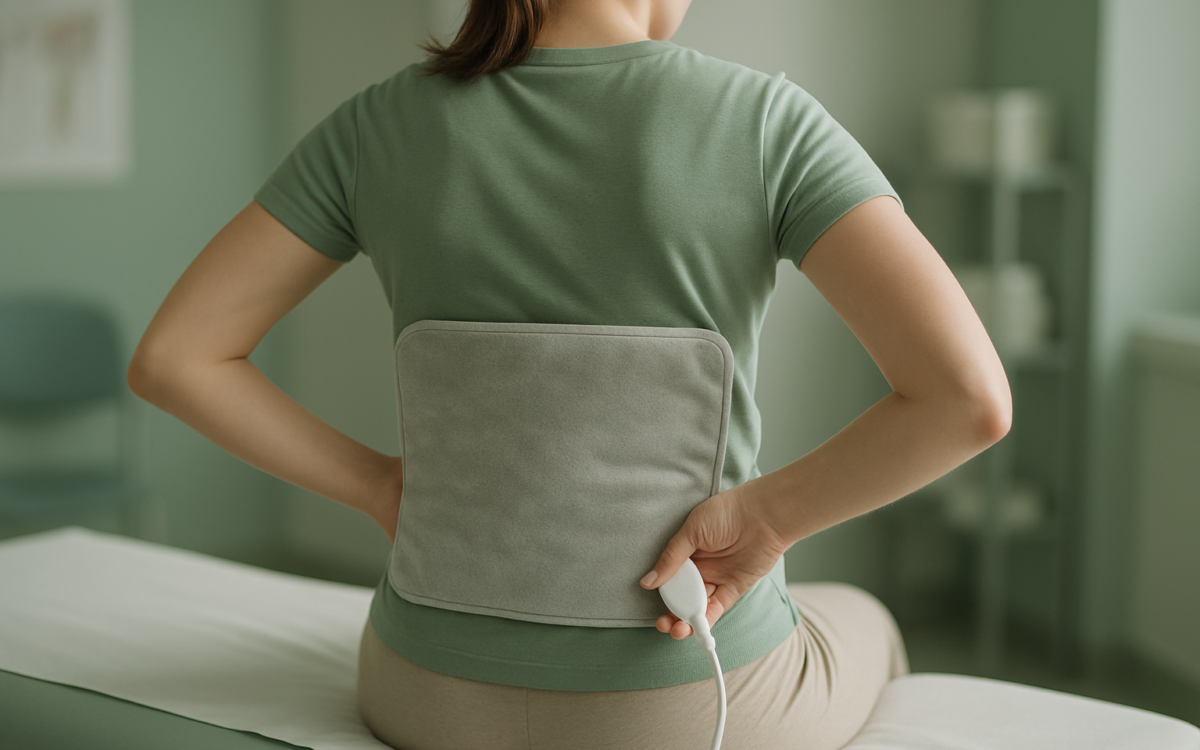
Back pain is a common ailment affecting millions of people. Whether it’s due to muscle strain, poor posture, or a more chronic condition like arthritis, finding effective relief can be a challenge. One simple yet effective method is using a warm pad. Applying heat can help ease discomfort, but it’s essential to understand how and when to use it effectively.
Understanding Back Pain
Back pain can range from mild to debilitating, impacting daily activities and quality of life. It can be classified into two main types:
- Acute pain: Sudden onset, often due to injury or strain.
- Chronic pain: Lasts longer than three months and may arise from ongoing conditions.
Identifying the cause of your back pain can help determine the best treatment approach. Common causes include muscle strain, herniated discs, arthritis, or even stress and poor posture.
The Science Behind Heat Therapy
Heat therapy, also known as thermotherapy, utilizes warm pads to soothe pain and promote healing. When heat is applied to the skin, several physiological responses occur:
- It increases blood flow, delivering more oxygen and nutrients to the affected area.
- It relaxes muscles, reducing tension and stiffness.
- It elevates the temperature of tissues, which can speed up the healing process.
Research has shown that heat therapy can be effective for various types of pain, including musculoskeletal discomfort in the back (NIH).
Types of Warm Pads
There are several types of warm pads available for back pain relief, each with unique features:
- Electric heating pads: These provide continuous heat and often come with adjustable settings for temperature control. They are convenient but require access to an electrical outlet.
- Microwavable heat packs: Filled with materials like rice or gel, these pads are heated in a microwave. They are portable and can maintain heat for a reasonable duration.
- Hot water bottles: A classic choice, hot water bottles can be filled with hot water and applied to the back. They are inexpensive and easy to use.
- Disposable heat patches: These adhesive patches generate heat through a chemical reaction. They can be worn discreetly under clothing for targeted relief.
How to Use a Warm Pad Safely
Using a warm pad can be beneficial, but safety is paramount to prevent burns or injuries:
- Test the temperature: Ensure the pad isn’t too hot by testing it on your wrist before applying it to your back.
- Limit application time: Use the warm pad for 15-20 minutes at a time. Take breaks between sessions.
- Avoid using while sleeping: While it may be tempting to use a warm pad through the night, this can increase the risk of burns.
- Follow instructions: If using an electric pad, always adhere to the manufacturer’s guidelines.
For those with certain medical conditions, such as diabetes or skin sensitivity, it’s essential to consult a doctor before using heat therapy.
Complementary Approaches to Pain Relief
While warm pads can provide significant relief, incorporating other methods can enhance your overall pain management strategy:
- Gentle stretching and exercise: Engaging in light stretching can improve flexibility and strengthen back muscles, preventing future pain episodes.
- Massage therapy: A professional massage can further alleviate muscle tightness, complementing the effects of heat therapy.
- Good posture: Maintaining correct posture, especially during prolonged activities like sitting or standing, can help prevent back pain.
Limitations of Warm Pads
While warm pads can be beneficial for many people, they are not suitable for everyone or all situations:
- Acute injuries: Heat may aggravate swelling in recent injuries; cold therapy may be more appropriate initially.
- Chronic conditions: For conditions like herniated discs or severe arthritis, other treatments may be necessary alongside heat therapy.
- Skin conditions: Individuals with certain skin conditions or sensitivity might find warm pads uncomfortable or problematic.
If your back pain persists, it’s important to explore other treatment options.
When to See a Doctor
If you experience the following symptoms, consult a healthcare professional:
- Pain that persists or worsens despite treatment.
- Loss of bladder or bowel control.
- Difficulty walking or balancing.
- Severe pain following an injury or trauma.
These symptoms may indicate a more serious underlying condition requiring medical attention.
Conclusion
A warm pad can be a simple yet effective tool in your back pain management toolkit. By understanding how to use them safely and effectively, you can harness their soothing benefits. Remember, while heat therapy may provide temporary relief, it’s essential to address the underlying causes of back pain through comprehensive lifestyle changes and professional guidance. Always consult with a healthcare provider about your specific situation for the best outcomes.
