
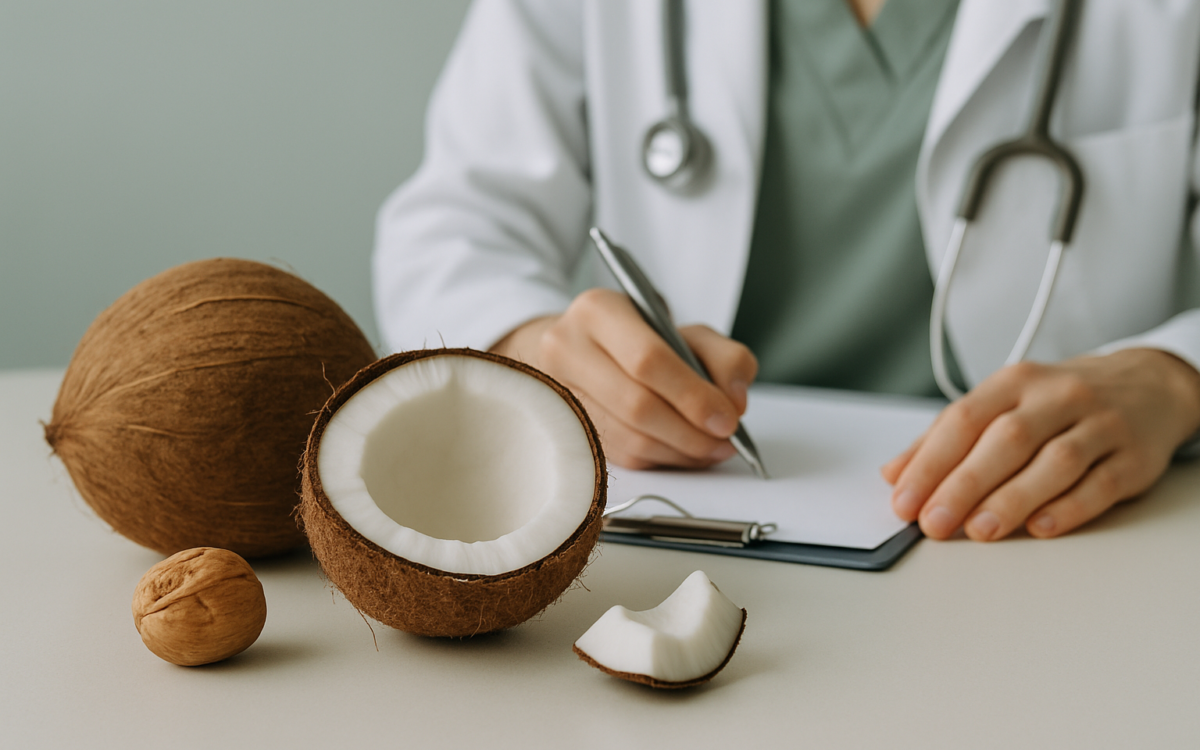
Coconuts are everywhere—from tropical beaches to grocery stores—and they spark a fascinating question: Is a coconut a nut or a fruit? This culinary darling, often associated with images of swaying palm trees, poses a unique classification dilemma in the world of botany. Let’s dive into the distinct characteristics of coconuts, their nutritional benefits, and how we might categorize them.
The Botanical Classification of Coconut
To understand whether a coconut is a nut or a fruit, we first need to look at what these terms mean in botany. Fruits are typically defined as the ripened ovaries of flowering plants, enclosing seeds. Nuts, on the other hand, are a specific type of fruit that typically have a hard outer shell and a seed inside.
From a botanical perspective, coconuts are classified as drupes. Drupes are a type of fruit that have three layers: the exocarp (outer skin), mesocarp (fibrous husk), and endocarp (hard shell). The coconut we eat and drink is encased within this tough endocarp, making the coconut more closely related to peaches and cherries—both drupes—rather than traditional nuts like almonds and walnuts.
Culinary Uses and Popularity
Coconuts are versatile ingredients used in a variety of cuisines around the globe. They can be consumed in several forms: fresh coconut meat, coconut milk, coconut oil, and even as coconut flour. Each form has its unique flavor profile and nutritional benefits:
- Fresh Coconut Meat: High in fiber and healthy fats.
- Coconut Milk: A creamy, dairy-free alternative rich in vitamins.
- Coconut Oil: Popular for cooking and skin care due to its moisturizing properties.
- Coconut Flour: A gluten-free alternative for baking.
This culinary flexibility has led to the coconut’s enormous popularity in health food circles and its extensive use in vegan and lactose-free recipes.
Nutritional Benefits of Coconut
Coconuts are not just tasty; they also pack a nutritional punch. Here are some of the health benefits associated with consuming coconut products:
- Healthy Fats: Coconuts contain medium-chain triglycerides (MCTs), a type of fat that may support weight management by increasing energy expenditure.
- Rich in Fiber: The meat of a coconut is high in dietary fiber, which can aid digestion and promote gut health.
- Antioxidant Properties: Coconuts contain phenolic compounds, which have antioxidant effects that might help combat oxidative stress in the body.
These advantages make coconut an appealing addition to many diets, but moderation is key, especially with coconut oil, which is high in saturated fats.
The Cultural Significance of Coconut
Coconuts hold a special place in many cultures worldwide. In Southeast Asia and the Pacific Islands, they are often referred to as the
