
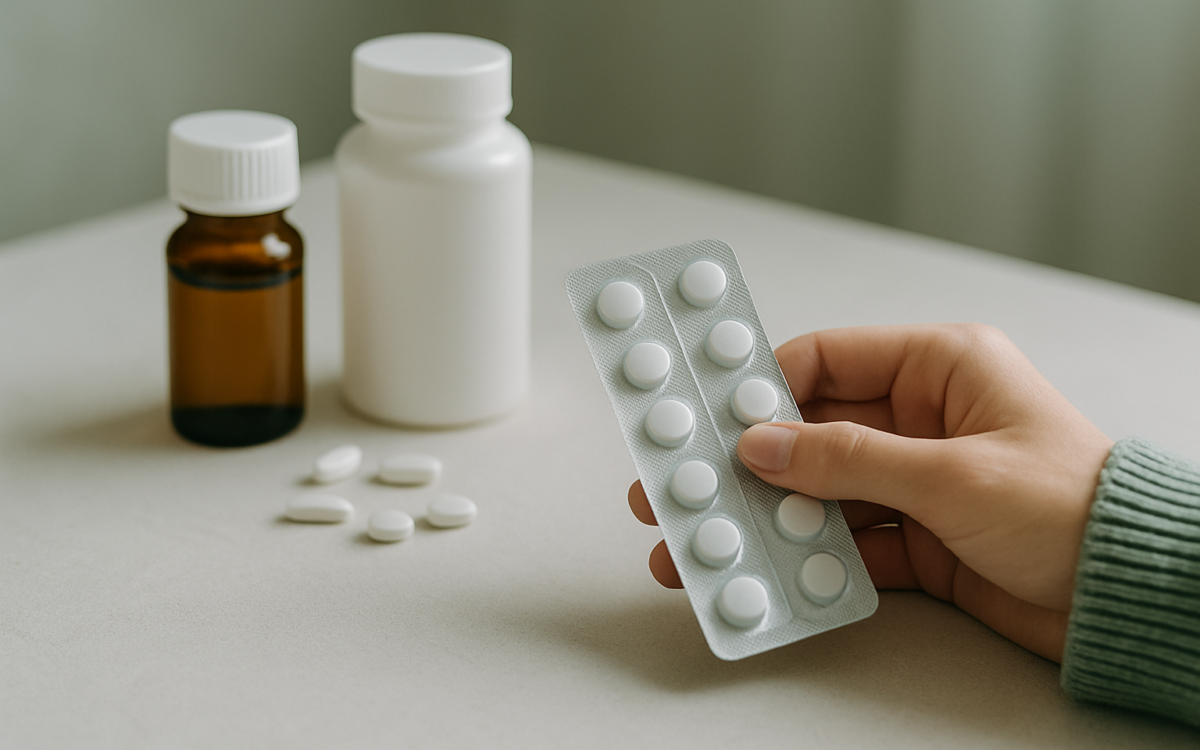
Anxiety can feel overwhelming, affecting our daily lives, relationships, and overall well-being. While prescription medications are often an important part of treatment for anxiety disorders, they aren’t the only option. Many people seek non-prescription alternatives to help manage their symptoms. In this article, we will explore various non-prescription medications and natural remedies that could provide relief.
Understanding Anxiety and Its Impact
Anxiety is a normal reaction to stress, but when it becomes excessive, it can interfere with daily activities. Symptoms may include restlessness, rapid heart rate, or irritability. Understanding the nature of anxiety is crucial to discovering effective ways to manage it.
Over-the-Counter Medications
Several over-the-counter (OTC) medications might help alleviate mild anxiety symptoms. While these aren’t substitutes for professional treatment, some people find them useful for occasional anxiety.
1. Antihistamines
Some antihistamines, like diphenhydramine, are available without a prescription. These are primarily used for allergy relief but may also have calming effects, which can help with anxiety in the short term. However, they may cause drowsiness, so it’s important to consider your daily activities before using them.
2. Natural Supplements
Various natural supplements have been researched for their potential anti-anxiety effects. Here are a few commonly discussed options:
- Valerian Root: Often used as a sleep aid, valerian may also help reduce anxiety. Studies suggest it has calming properties, though more randomized trials are necessary to understand its effectiveness fully.
- Passionflower: Some research indicates that passionflower can alleviate anxiety symptoms, particularly when used in tea or extract form.
- Lavender: Known for its pleasant scent, lavender has been shown in some studies to reduce anxiety, especially when used in aromatherapy or as a supplement.
- Magnesium: Low levels of magnesium are linked to increased anxiety. Some people find that magnesium supplements help ease their anxiety.
Herbal Remedies and Their Effects
Herbal remedies have been used for centuries in various cultures to promote relaxation and reduce anxiety. While not all herbs are supported by rigorous scientific evidence, some have shown promise in studies.
1. Kava
Kava is a plant native to the South Pacific. Its roots are used to prepare a beverage with calming effects. Some studies suggest kava may be effective for reducing anxiety levels, particularly in people with generalized anxiety disorder (GAD). However, it can interact with other medications and may cause liver problems, so caution is advised.
2. Ashwagandha
This adaptogenic herb has gained popularity for its potential stress-relieving properties. Research indicates that ashwagandha may help lower levels of cortisol, a hormone associated with stress, and could potentially reduce anxiety symptoms.
Mindfulness Practices and Their Benefits
In addition to traditional medications and supplements, incorporating mindfulness practices into your routine can be beneficial for anxiety management.
1. Meditation
Regular meditation can help calm the mind and reduce feelings of anxiety. Mindfulness meditation, in particular, teaches you to stay present and observe your thoughts without judgment. Even just a few minutes of meditation daily can lead to significant improvements in your anxiety levels.
2. Yoga
Yoga combines physical movement, breath control, and meditation, making it an excellent option for anxiety relief. Studies have shown that consistent yoga practice can lower anxiety and improve overall mental well-being.
3. Deep Breathing Exercises
Deep breathing exercises can instantly calm your nervous system and reduce feelings of panic. Practicing slow, deep breaths helps send a signal to your brain that it’s safe to relax.
Healthy Lifestyle Choices
Your daily habits can significantly influence your anxiety levels. By adopting a healthier lifestyle, you may find it easier to manage your symptoms.
1. Regular Exercise
Physical activity releases endorphins, which can boost your mood and help reduce anxiety. Aim for at least 30 minutes of moderate exercise most days of the week. Find activities you enjoy, whether it’s walking, cycling, dancing, or swimming.
2. Balanced Diet
Eating a well-balanced diet rich in whole foods, fruits, vegetables, lean proteins, and whole grains can support your mental health. Avoiding excessive caffeine and sugar can also help in reducing anxiety levels.
3. Adequate Sleep
Lack of sleep can exacerbate anxiety. Establishing a regular sleep routine and creating a relaxing bedtime environment can greatly improve sleep quality, helping you feel more balanced and less anxious during the day.
When to See a Doctor
If anxiety is affecting your daily life or if self-care methods do not provide relief, it might be time to talk to a healthcare provider. A professional can help determine whether prescription medications or therapy may be necessary.
Conclusion
Exploring non-prescription options for managing anxiety can be a beneficial journey. Options like over-the-counter medications, herbal remedies, mindfulness practices, and healthy lifestyle changes can play a role in alleviating anxious feelings.Learn more about what works for you and remember that it’s always a good idea to consult with a doctor for personalized advice.
