
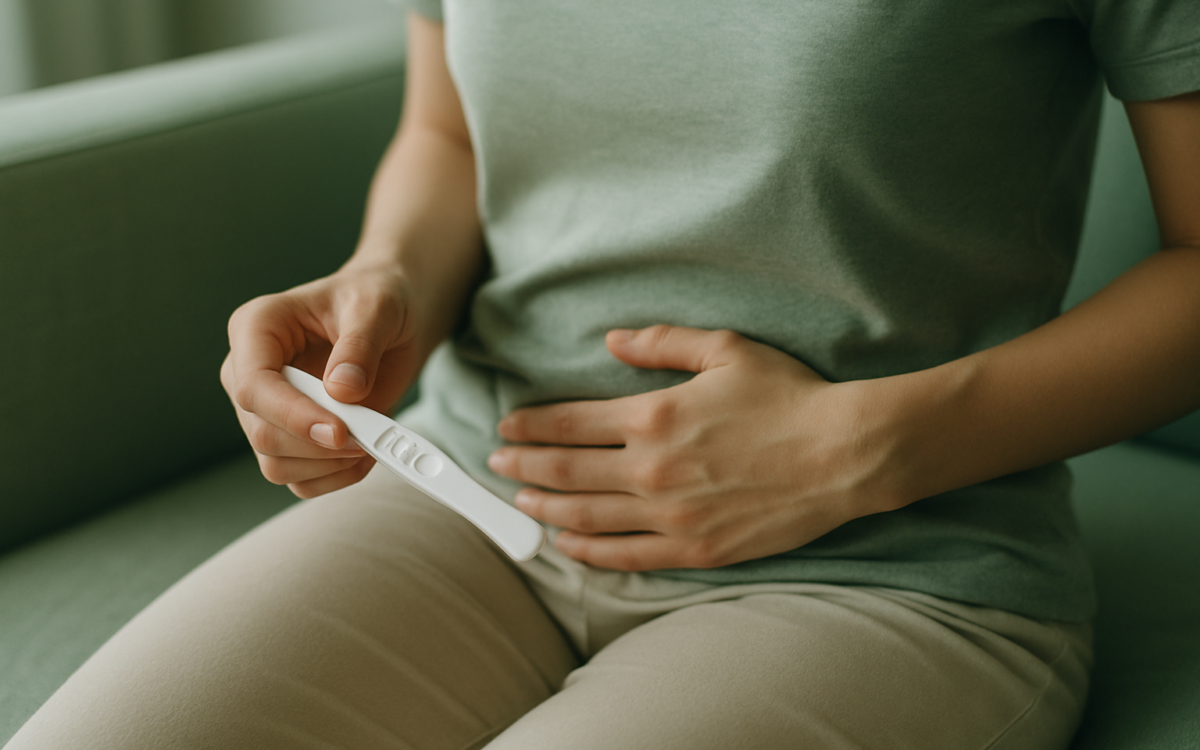
Experiencing a late period can stir up anxiety and confusion for many individuals. Whether you are hoping for a pregnancy or are just keenly aware of your body’s rhythms, understanding why your menstrual cycle might be delayed is essential. There are numerous factors that can influence the timing of your menses, and most of them are surprisingly common.
Understanding Your Menstrual Cycle
The average menstrual cycle lasts between 21 and 35 days, with most cycles falling around 28 days. However, each person’s cycle is unique and can vary from month to month. The menstrual cycle is regulated by hormones, and any irregularities can prompt changes in your cycle. The hormones involved include estrogen and progesterone, which control the development of the uterine lining and support ovulation.
Potential Causes of Late Menses
While it can be alarming to find your period missing, many reasons exist for a late menstrual cycle. Here are some of the most common causes:
- Pregnancy: One of the primary reasons for a missed period is pregnancy. If you are sexually active and your period is late, consider taking a home pregnancy test for confirmation.
- Stress: High stress levels can significantly affect your hormonal balance, which may disrupt your menstrual cycle. Whether it’s related to work, relationships, or emotional strains, stress can lead to delayed periods.
- Hormonal Imbalances: Conditions such as polycystic ovary syndrome (PCOS) can cause irregular or missed periods due to hormonal disruption.
- Weight Changes: Significant weight gain or loss can affect your menstrual cycle as body fat is essential for producing estrogen. A sudden change can result in late or missed menses.
- Over-exercising: Intense physical activity can lead to a decrease in body fat and hormonal changes, which can also result in missed periods.
- Menopause or Perimenopause: If you are approaching menopause (typically in your late 40s to early 50s), irregular periods may be a common experience as your body transitions.
The Impact of Medical Conditions
In addition to lifestyle factors, certain medical conditions can also lead to late menstruation. Conditions such as thyroid disorders, diabetes, and other hormonal issues can significantly impact your cycle.
For women living outside their home countries, understanding how different healthcare systems handle menstrual issues can be challenging. Some may seek international patient services for more personalized care when faced with reproductive health concerns. It’s crucial to consult a healthcare provider for an accurate diagnosis if you suspect a medical condition may be at play.
When to Be Concerned
While occasional delays in menstruation are usually not cause for alarm, certain situations warrant a healthcare visit:
- If your period is consistently late or irregular.
- If you experience severe pain or other symptoms like unusual discharge.
- If you have recently discontinued birth control, and your cycles have not returned to normal.
- If you suspect pregnancy but receive a negative test result.
Understanding the Emotional Aspect
It’s important to acknowledge that the menstrual cycle is not just a biological process; it’s intertwined with emotions and mental well-being. Anxiety over a missed period can lead to further stress, creating a cycle that can complicate matters even more. Practicing self-care, mindfulness, and stress management techniques can help you cope during these times.
A Glimpse at Global Resources
Access to health information can vary significantly worldwide. Women living internationally may find it beneficial to explore various health resources, educational materials, and support networks that address menstrual health comprehensively. Many organizations promote awareness and understanding of menstrual issues, guiding women toward better health outcomes.
When to See a Doctor
If your menses are consistently late and you’re concerned, it’s advisable to consult a healthcare professional. Being proactive in your health can lead to better understanding and outcomes.
Conclusion
While late menses can feel unsettling, there’s a wide range of normalcy when it comes to menstrual cycles. Understanding the factors that can influence late periods provides insight and reassurance. Remember that maintaining a healthy lifestyle and managing stress can significantly impact your cycle. Should concerns persist, consulting a healthcare provider is key to getting the support and information you need.
