
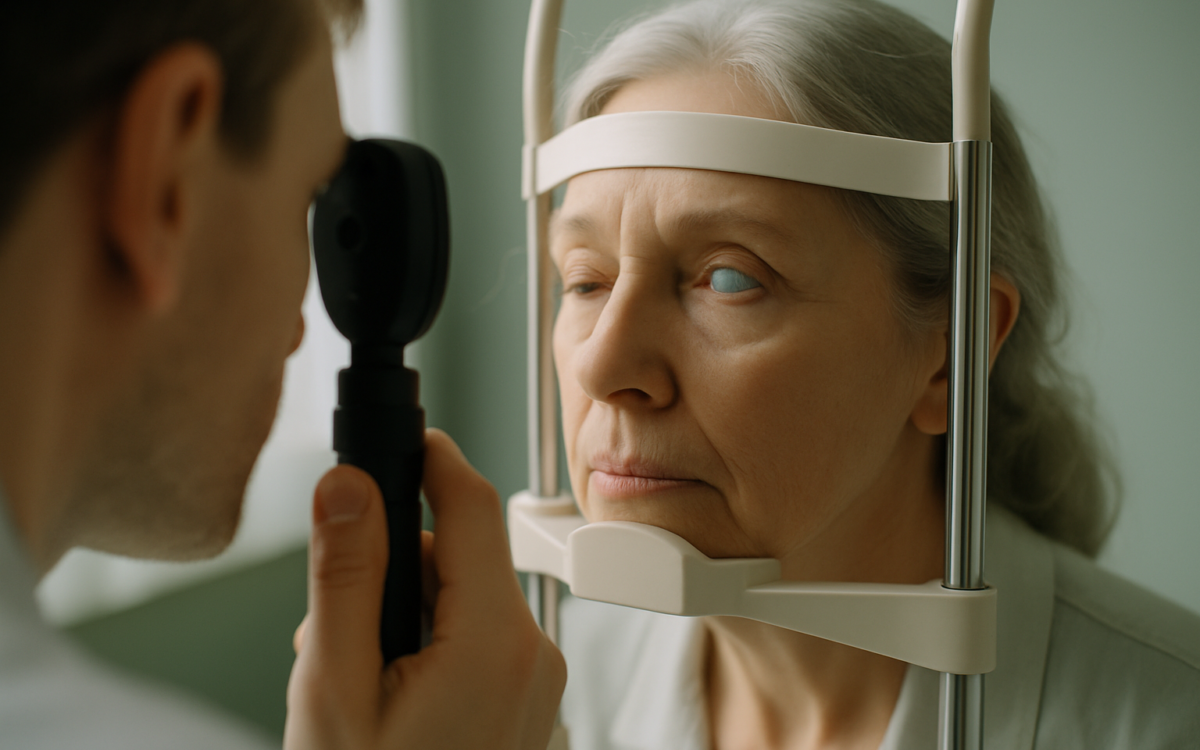
Cataracts are one of the most common eye disorders, affecting millions of people worldwide. They are a significant cause of impaired vision, particularly in older adults. While the term may sound technical, understanding cataracts is vital for maintaining good eye health, recognizing symptoms, and knowing when to seek help.
What Are Cataracts?
In simple terms, a cataract is a clouding of the eye’s natural lens. The lens is located behind the iris and pupil and focuses light onto the retina at the back of the eye. When the lens is clear, it allows for sharp, focused vision. However, when a cataract forms, it leads to blurry or distorted vision because it scatters light entering the eye.
Symptoms of Cataracts
Cataracts develop slowly and the symptoms may not be noticeable at first. Some common symptoms include:
- Blurry or cloudy vision
- Difficulty seeing at night
- Glare or halos around lights
- Frequent changes in eyeglass or contact lens prescription
- Colors appearing less vibrant
If you start to notice any of these changes, it might be time to consult an eye specialist for a thorough examination.
Causes and Risk Factors
Cataracts are primarily related to aging, but several factors can contribute to their development:
- Aging: As we grow older, the proteins in the lens can break down, leading to clouding.
- Genetics: Family history can increase the risk of cataracts.
- Health conditions: Diabetes and other diseases can elevate cataract risk.
- Medications: Some steroids and other medications can promote cataract formation.
- Environmental factors: Long-term exposure to UV light and smoking can increase risk as well.
Understanding these factors is essential so that individuals at higher risk can monitor their eye health more closely.
Treatment for Cataracts
The good news is that cataracts can be treated effectively. Most cataracts can be removed, and in most cases, this is performed through outpatient surgery.
The standard procedure involves removing the cloudy lens and replacing it with a clear artificial lens. Within a few hours to a few days, patients often notice a significant improvement in their vision. The recovery process typically is quick, though you may need several follow-up visits to ensure everything is healing correctly.
For those considering cataract surgery, it’s beneficial to explore options, including traveling for treatment in Turkey, where medical tourism has become popular due to high-quality care and competitive prices.
Living with Cataracts
In the early stages, many people can manage their cataract symptoms with updated prescriptions for glasses or contact lenses. Adjusting your environment can also help, such as:
- Enhancing lighting in your home
- Using anti-glare glasses
- Avoiding bright sunlight without sunglasses
However, these modifications are usually temporary and won’t prevent cataracts from worsening over time. Regular eye exams are essential to monitor the condition and plan for potential surgery.
When to See a Doctor
If you experience any of the symptoms mentioned earlier, it’s essential to see an eye care professional. Regular check-ups allow for early diagnosis, aiding in better treatment outcomes. It’s particularly crucial to consult your doctor if:
- Your vision becomes significantly worse
- Changes in eyesight interfere with daily activities
- You have other eye pain or discomfort
Early detection can make treatment more successful and help maintain your quality of life.
Conclusion
Cataracts may be common, but they don’t have to compromise your eyesight. Understanding what cataracts mean, their symptoms, causes, and treatment options can empower you to take charge of your eye health. Regular check-ups and informed choices are your best tools in the journey towards clearer vision.
