
Inflammation is a natural response of the body that helps us heal from injuries and fight infections. However, chronic inflammation can lead to various health issues, such as heart disease, diabetes, and arthritis. This article explores the concept of anti-inflammable, focusing on how certain foods and lifestyle choices can help reduce inflammation and promote overall health.
Understanding Inflammation
Before diving into anti-inflammable foods, it’s essential to understand what inflammation is. It’s your body’s way of protecting itself. When you get injured or sick, your body sends a flood of immune cells to the area to repair damage and combat infection. This is known as acute inflammation and usually lasts for a short time.
However, when inflammation becomes chronic, it can contribute to many diseases. Chronic inflammation may not have obvious symptoms, which makes it hard to detect. Factors like poor diet, lack of exercise, and persistent stress can contribute to this ongoing state of inflammation.
The Role of Diet in Reducing Inflammation
A well-balanced diet rich in specific nutrients may provide anti-inflammatory benefits. Some foods contain compounds that help lower inflammation in the body. Understanding which foods pack an anti-inflammable punch can support your health.
1. Fruits and Vegetables
Fruits and vegetables are packed with vitamins, minerals, and antioxidants that can help combat inflammation. Berries, cherries, spinach, and broccoli are particularly beneficial. The antioxidants found in these foods help neutralize free radicals, potentially reducing inflammation.
2. Healthy Fats
Not all fats are created equal. Polyunsaturated and monounsaturated fats, such as those found in olive oil, avocados, and nuts, can help lower inflammation. The Mediterranean diet, which is rich in these types of fats, has been linked to lower levels of inflammation and a reduced risk of chronic diseases.
3. Whole Grains
Whole grains like brown rice, quinoa, and whole wheat bread provide fiber, which plays a role in reducing inflammation. Fiber helps regulate digestion and may lower the levels of inflammatory markers in the blood.
Key Anti-Inflammable Foods
- Fatty Fish: Salmon, mackerel, and sardines are high in omega-3 fatty acids, which are known for their anti-inflammatory properties.
- Nuts and Seeds: Almonds and walnuts are excellent sources of healthy fats and antioxidants.
- Spices: Turmeric and ginger have compounds that may help reduce inflammation.
Lifestyle Choices to Combat Inflammation
While diet plays a significant role in managing inflammation, lifestyle factors also contribute to overall health. Incorporating healthy habits can significantly impact your body’s inflammatory response.
1. Regular Exercise
Physical activity has been shown to reduce inflammation. Engaging in regular exercise can help decrease levels of inflammatory proteins in the body. Aim for at least 150 minutes of moderate exercise per week to reap these benefits.
2. Quality Sleep
Good sleep is crucial for maintaining a healthy immune system and regulating inflammation levels. Lack of sleep can lead to an increase in inflammatory markers. Aim for 7-9 hours of quality sleep each night.
3. Stress Management
Chronic stress can lead to increased inflammation. Mindfulness practices, such as meditation and yoga, can help manage stress and may reduce inflammation in the body. Finding activities that calm your mind can be a powerful tool for keeping your body healthy.
Supplements and Anti-Inflammatory Properties
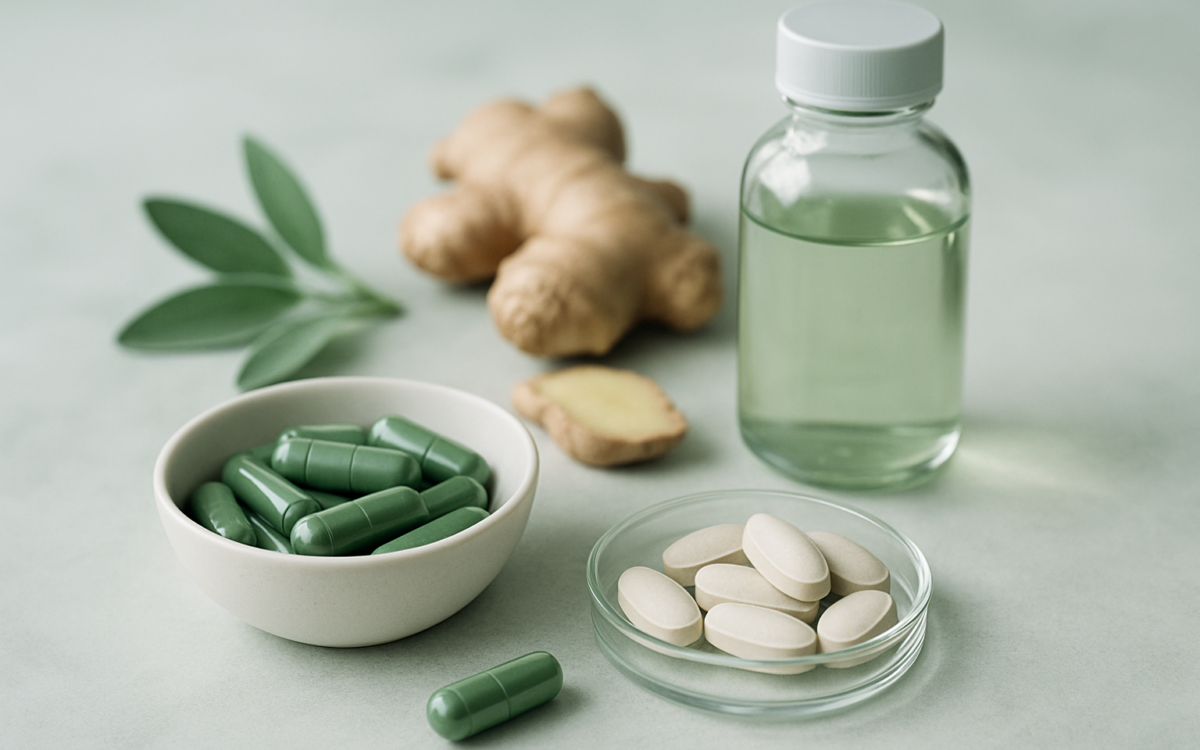
While whole foods should be your primary source of nutrition, some supplements may also support an anti-inflammatory regimen. Omega-3 supplements and curcumin (a compound found in turmeric) are popular for their potential benefits. However, it’s essential to consult with a healthcare provider before starting any new supplements, as individual needs may vary.
When to See a Doctor
If you suspect that inflammation is becoming a chronic issue, it’s crucial to consult with a healthcare professional. Symptoms such as persistent pain, fatigue, or swelling should be discussed with your doctor to rule out underlying health conditions. They may also recommend further testing or a tailored approach to managing inflammation.
Conclusion
Understanding the effects of diet and lifestyle on inflammation can empower you to make healthier choices. Incorporating anti-inflammable foods and adopting wholesome habits can be beneficial for your overall health and well-being. As always, it’s wise to consult with healthcare professionals for personalized guidance tailored to your unique health needs. Managing inflammation takes a comprehensive approach, but with the right strategies, you can take positive steps toward a healthier life.
