
In a world where health fads come and go, the connection between diet and inflammation is a vital topic that stands the test of time. Certain foods and supplements can help reduce inflammation in the body, which can lead to several health benefits. Whether you’re aiming to alleviate chronic pain, improve your overall health, or simply feel better, incorporating anti-inflammatory options into your diet can be a powerful step in the right direction.
Understanding Inflammation
Inflammation is a natural process that helps your body fight injury and infection. It’s part of your immune system’s response to harmful stimuli. However, when inflammation becomes chronic, it can lead to various health issues, including heart disease, diabetes, and arthritis. Chronic inflammation can stem from various lifestyle factors, including diet, stress, and lack of sleep.
Top Anti-Inflammatory Foods
Including a variety of anti-inflammatory foods in your diet can make a difference. Here are some of the most effective foods that help combat inflammation:
- Berries: Berries, such as blueberries, strawberries, and blackberries, are rich in antioxidants called flavonoids, which have anti-inflammatory properties. They also provide vitamins and fiber.
- Fatty Fish: Salmon, mackerel, and sardines are excellent sources of omega-3 fatty acids, which can reduce inflammation. These healthy fats are also good for your heart.
- Leafy Greens: Vegetables like spinach, kale, and collard greens are loaded with vitamins A, C, and K, along with antioxidants that help fend off inflammation.
- Nuts: Walnuts and almonds provide healthy fats, fiber, and protein. They’re also a great source of vitamin E, which can reduce markers of inflammation.
- Olive Oil: Extra virgin olive oil contains oleocanthal, a compound that has properties similar to ibuprofen, helping to reduce inflammation.
Popular Anti-Inflammatory Spices
Many spices not only enhance the flavor of your meals but also assist your body in fighting inflammation. Here are a few to consider adding to your diet:
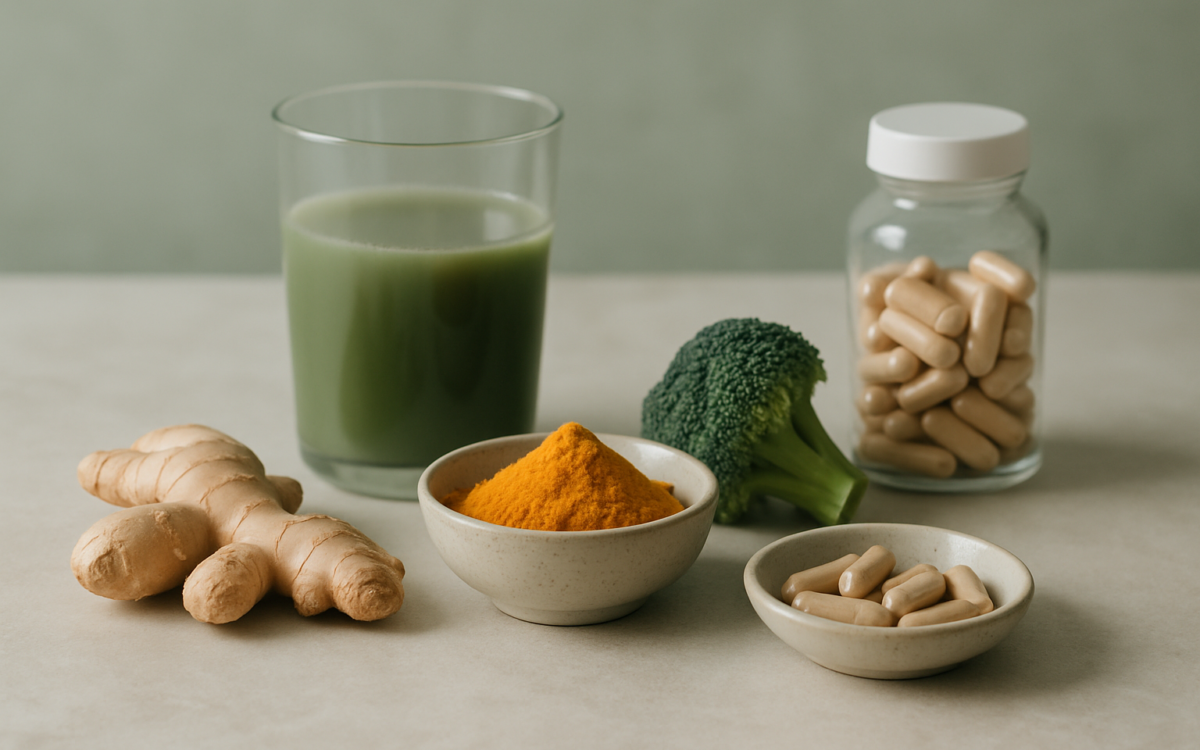
- Turmeric: This vibrant yellow spice contains curcumin, a powerful anti-inflammatory compound that can help combat chronic inflammation.
- Ginger: Ginger is known for its digestive benefits, but it also contains anti-inflammatory properties that can help reduce pain and swelling.
- Garlic: The sulfur compounds in garlic, particularly allicin, have protective and anti-inflammatory effects.
Exploring Anti-Inflammatory Supplements
If you find it challenging to incorporate enough anti-inflammatory foods into your meals, supplements could be a viable option. However, always consult your healthcare provider before starting any new supplement regimen. Here are some supplements that may help reduce inflammation:
- Omega-3 Fatty Acids: Derived from fish oil or algal oil, omega-3 supplements can help lower inflammation and support heart health.
- Turmeric/Curcumin Supplements: These concentrated forms of turmeric are available in capsules and can provide stronger anti-inflammatory effects than culinary use.
- Ginger Extract: Ginger supplements can be an effective way to include this powerful anti-inflammatory in your diet.
Benefits of an Anti-Inflammatory Diet
Adopting an anti-inflammatory diet offers several health benefits beyond simply reducing inflammation. Here are some potential advantages:
- Improved Heart Health: Foods high in omega-3 fatty acids, fiber, and antioxidants can enhance cardiovascular health by reducing cholesterol and blood pressure levels.
- Weight Management: An anti-inflammatory diet often emphasizes whole, unprocessed foods, making it easier to maintain a healthy weight.
- Enhanced Mood and Mental Clarity: Some studies suggest that certain nutrients can positively affect brain health, potentially preventing cognitive decline.
Making Changes to Your Diet
Transitioning to a diet rich in anti-inflammatory foods doesn’t have to be overwhelming. Here are some simple steps to get started:
- Focus on Whole Foods: Choose fresh vegetables, whole grains, lean proteins, and healthy fats as the foundation of your meals.
- Cook at Home: Preparing meals at home allows you to control ingredients and incorporate more anti-inflammatory foods into your dishes.
- Experiment with Flavors: Use spices to flavor your meals and enjoy the health benefits they provide.
- Stay Hydrated: Drinking enough water is important for your overall health and can help flush out toxins related to inflammation.
When to See a Doctor
If you experience persistent inflammation or related symptoms, such as chronic pain, fatigue, or swelling, it’s essential to consult a healthcare professional. They can provide guidance tailored to your specific situation and help rule out any underlying conditions.
For more information on inflammation and diet, you can visit the National Institutes of Health or the World Health Organization.
Adopting an anti-inflammatory diet can significantly improve your quality of life. By making mindful choices about what you eat and considering supplements as needed, you can help support your body’s health and well-being.
