
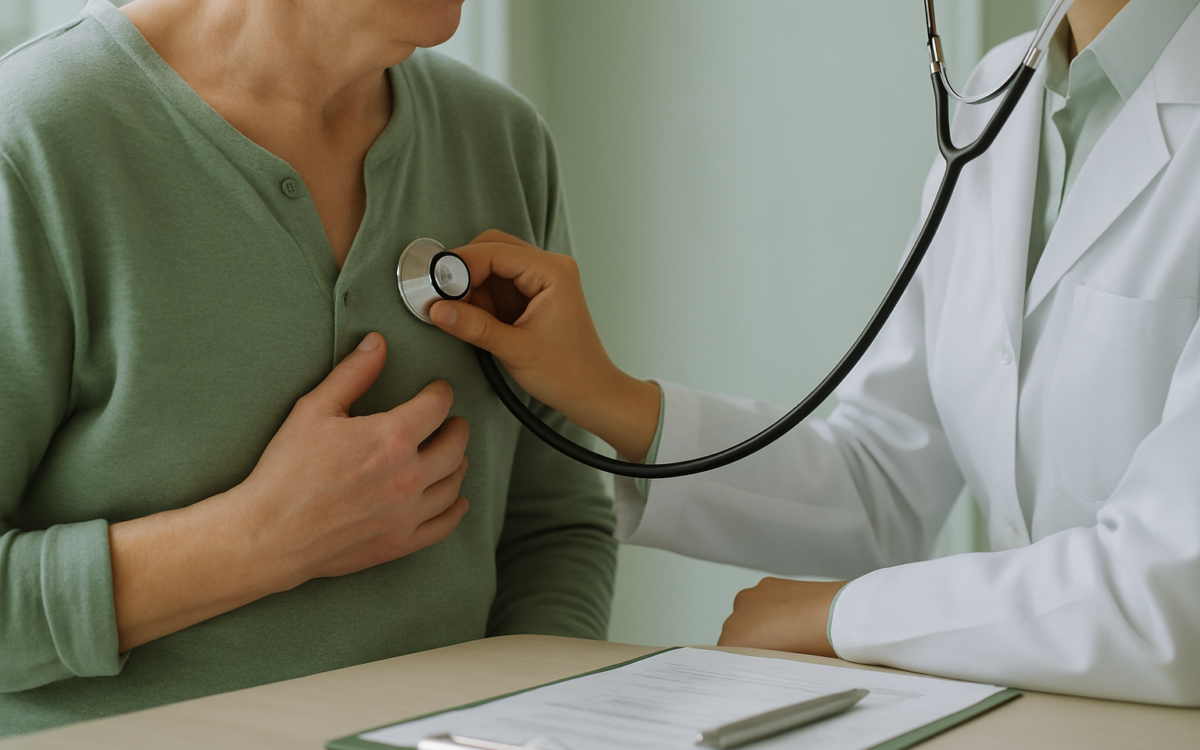
Taking care of your heart is one of the most important things you can do for your overall health. Every year, millions of people face cardiovascular diseases, which can lead to severe complications. The good news is, many of these issues can be prevented or managed with regular heart health checkups. Understanding the importance of these checkups, as well as what to expect during them, can empower you to take charge of your heart health.
Why heart health is essential
Your heart is the engine that powers your entire body. It pumps blood, delivering oxygen and nutrients to your organs and tissues while also carrying away waste products. Given its vital role, it’s crucial to keep your heart healthy. Issues like high blood pressure, high cholesterol, and diabetes can significantly impact heart function and increase the risk of heart disease. According to the CDC, heart disease remains the leading cause of death in the United States.
What to expect during a heart health checkup
A heart health checkup typically includes a series of assessments designed to provide a clear picture of your heart’s condition. Here are some of the key components:
- Medical history: Your doctor will ask about any family history of heart disease, your lifestyle habits, and any current symptoms you may be experiencing.
- Physical examination: A thorough physical exam usually includes checking your blood pressure, heart rate, and listening to your heart sounds.
- Blood tests: Blood tests may be conducted to measure cholesterol levels, blood sugar, and other markers that may indicate your heart health.
- Electrocardiogram (ECG or EKG): This test records the electrical activity of your heart and can help identify irregularities.
- Stress test: During a stress test, you may be asked to exercise or use medication to make your heart work harder. This helps assess how well your heart functions under stress.
Who should get a heart health checkup?
Heart health checkups are important for everyone, but certain individuals should prioritize these visits. This includes:
- Adults aged 40 and older
- Those with a family history of heart disease
- Individuals with high blood pressure, high cholesterol, or diabetes
- People who smoke or lead a sedentary lifestyle
- Anyone experiencing symptoms like chest pain or shortness of breath
Even if you feel fine, regular checkups can help catch issues early, before they develop into more serious conditions. The National Institutes of Health suggests discussing your risk factors with your healthcare provider to determine how often you should be screened.
Understanding risk factors for heart disease
Heart disease risk factors can be divided into controllable and uncontrollable categories. Being aware of these factors can help you make informed decisions about your health:
Uncontrollable risk factors
- Age: The risk of heart disease increases with age.
- Gender: Men are generally at a higher risk earlier in life, but the risk for women increases after menopause.
- Family history: A family history of heart disease can increase your risk.
Controllable risk factors
- Smoking: Tobacco use is a significant risk factor for heart disease.
- Diet: A diet high in saturated fats, trans fats, and cholesterol can raise blood cholesterol levels.
- Physical activity: Lack of exercise can lead to weight gain and high blood pressure.
- Obesity: Being overweight increases the strain on the heart.
- Stress: Chronic stress may contribute to heart disease.
How to maintain heart health between checkups
While regular checkups are vital, maintaining heart health is a daily commitment. Here are some tips to help keep your heart in shape:
- Eat a heart-healthy diet: Focus on fruits, vegetables, whole grains, and lean proteins while limiting saturated fats, trans fats, and sodium.
- Stay active: Aim for at least 150 minutes of moderate aerobic activity each week.
- Avoid smoking: If you smoke, seek help to quit.
- Manage stress: Practice relaxation techniques like meditation or yoga.
- Regularly monitor your health: Keep track of your blood pressure, cholesterol levels, and weight.
When to see a doctor
While regular checkups are essential, there are signs that you should seek medical attention sooner. Consider seeing a doctor if you experience:
- Chest pain or discomfort
- Sudden shortness of breath
- Palpitations or irregular heartbeats
- Severe headache or dizziness
Listening to your body is vital. If something doesn’t feel right, it’s always better to err on the side of caution and consult with a healthcare professional.
Conclusion
Heart health checkups are a crucial part of preventive healthcare. By staying informed and proactive about your heart health, you can make the best choices for your well-being. Whether you are due for your first checkup or you’re a regular visitor, each appointment brings you one step closer to maintaining a healthy heart. Always consult your doctor if you have any concerns about your heart health.
