
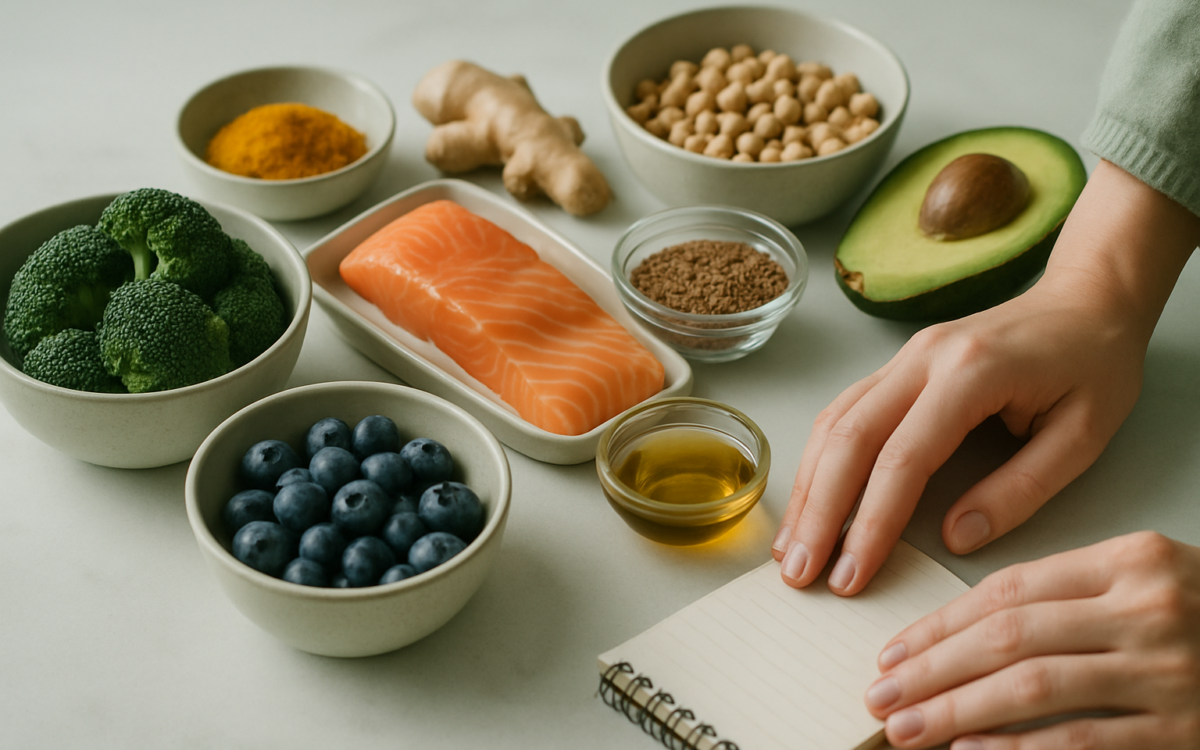
Inflammation is a natural response of the body to injury or infection. However, when it becomes chronic, it can lead to various health issues like heart disease, diabetes, and arthritis. One of the best ways to combat this unwanted inflammation is through our diet. By incorporating anti-inflammatory foods into our meals, we can help support our body’s healing processes. In this article, we’ll explore a variety of foods that can help reduce inflammation and promote overall wellness.
What is Inflammation?
Inflammation is the body’s way of protecting itself. It signals the immune system to fight off potential threats like bacteria or injuries. However, chronic inflammation occurs when this process continues over time, which can damage healthy cells and tissues. Factors contributing to chronic inflammation include poor diet, lack of exercise, stress, and inadequate sleep. Understanding how certain foods influence inflammation is crucial for our health.
Foods to Include in Your Anti-Inflammatory Diet
Switching to an anti-inflammatory diet doesn’t have to be challenging. Here’s a list of delicious foods that can help reduce inflammation:
1. Fatty Fish
- Salmon
- Mackerel
- Sardines
- Anchovies
Fatty fish are rich in omega-3 fatty acids, which have been shown to help lower inflammation. Regularly including these fish in your meals can contribute to overall heart and brain health, among other benefits. According to the National Institutes of Health, omega-3s may also boost mood and enhance immune function.
2. Leafy Greens
- Spinach
- Kale
- Swiss chard
- Collard greens
Leafy greens are packed with vitamins, minerals, and antioxidants. These nutrients can help combat oxidative stress and inflammation. A diet rich in greens can also provide fiber, which aids digestion and overall gut health.
3. Berries
- Blueberries
- Strawberries
- Raspberries
- Blackberries
Berries are bursting with antioxidants known as flavonoids, which have been linked to reduced inflammation. These delicious fruits can be easily added to your breakfast, smoothies, or salads. Research published by the National Library of Medicine suggests that the compounds in berries may also help protect against chronic diseases.
4. Nuts and Seeds
- Walnuts
- Almonds
- Chia seeds
- Flaxseeds
Nuts and seeds are excellent sources of healthy fats, protein, and fiber. They also contain many vitamins that may reduce inflammation. Just a handful of nuts can make a nutritious snack or add crunch to salads and yogurt.
5. Whole Grains
- Brown rice
- Quinoa
- Oats
- Barley
Whole grains are healthier alternatives to refined grains. They retain more nutrients and fiber, which can help regulate blood sugar levels and reduce inflammation. Incorporating whole grains into your diet can be as simple as switching out white rice for brown rice or adding oats to your breakfast.
6. Olive Oil
Extra virgin olive oil is a staple in the Mediterranean diet, known for its numerous health benefits. It contains oleocanthal, a compound that may have anti-inflammatory properties similar to ibuprofen. Drizzling olive oil over salads or using it for cooking can enhance both flavor and health.
Spices that Fight Inflammation
In addition to foods, incorporating certain spices can further enhance the anti-inflammatory effects of your meals:
- Turmeric: Contains curcumin, known for its powerful anti-inflammatory effects.
- Ginger: Helps reduce muscle pain and soreness while lowering blood sugar levels.
- Cinnamon: Known for its antioxidant properties and may help lower inflammation.
Adding these spices to your dishes not only boosts flavor but also contributes to a healthier diet. They can be incorporated into smoothies, teas, and various recipes.
Practical Tips for an Anti-Inflammatory Diet
Making changes to your diet may seem intimidating at first, but here are some practical tips to help you incorporate more anti-inflammatory foods:
- Plan your meals: Take time to plan meals that include a variety of anti-inflammatory foods. This helps ensure you get a balanced diet.
- Snack wisely: Instead of reaching for potato chips or sugary treats, go for nuts, seeds, or fruit.
- Cook at home: Preparing meals at home allows you to control the ingredients and focus on whole, unprocessed foods.
- Experiment with recipes: Don’t be afraid to try new recipes that incorporate anti-inflammatory ingredients.
Making gradual changes can help establish healthy eating habits over time, which can be more sustainable in the long run.
When to See a Doctor
If you experience ongoing symptoms like joint pain, fatigue, or digestive issues, it’s important to consult a healthcare professional. They can help identify the underlying causes and recommend appropriate treatments. Chronic inflammation may require a comprehensive approach beyond dietary changes.
Conclusion
Incorporating anti-inflammatory foods into your diet is a delicious way to support your overall health. By focusing on whole foods rich in antioxidants, healthy fats, and fiber, you can help your body combat inflammation. Remember, it’s always beneficial to consult with a healthcare provider or a registered dietitian before making significant dietary changes. By understanding your unique health needs and preferences, you’ll be better equipped to embark on a journey toward wellness.
