
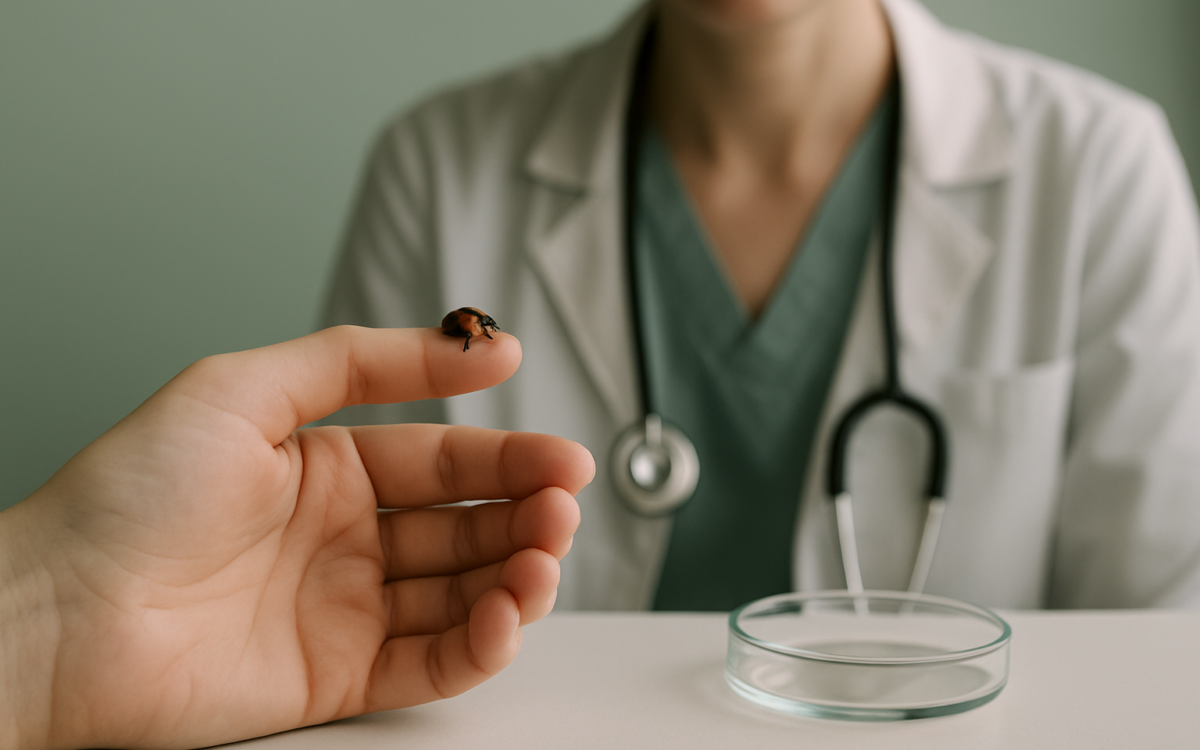
Ladybugs are often hailed as the garden’s best friends, known for their striking colors and cute spots. These beetles are beloved by many for their role in natural pest control, as they consume aphids and other plant pests. But as charming as they are, there’s a lingering question that many people have: are ladybugs poisonous? In this article, we will explore the truth about ladybugs, their defensive mechanisms, and what you need to know to feel safe around these garden allies.
Understanding Ladybugs
Ladybugs, or ladybird beetles, belong to the family Coccinellidae. There are over 5,000 species of ladybugs worldwide, and they can be found in various colors, with red and black being the most common. These insects are not just aesthetically pleasing; they play a significant role in maintaining ecological balance by preying on pests that harm crops.
Are Ladybugs Poisonous to Humans?
In short, ladybugs are not poisonous to humans. They can, however, produce a mild toxin that serves as a defense mechanism against predators. This toxin can potentially irritate the skin and cause mild allergic reactions in some individuals, but it is not harmful enough to be considered poisonous.
The ladybug’s main defense strategy is a process called “reflex bleeding.” When threatened, a ladybug can release a yellow fluid from its legs that contains toxins. While this fluid can be unappealing to predators, it is mostly harmless to humans. You might experience a slight skin irritation if you handle a ladybug, but serious health effects are rare.
Types of Ladybugs and Their Defense Mechanisms
Several species of ladybugs can be found in gardens and backyards, but the most common ones include:
- Harmonia axyridis: Also known as the Asian lady beetle, this species is known for its variable coloration, which can range from orange to black.
- Coccinella septempunctata: Known as the seven-spotted ladybug, this red beetle with black spots is among the most recognized species.
- Adalia bipunctata: Commonly known as the two-spotted ladybug, they are easily identifiable by the two distinct black spots on their red or orange bodies.
All these species employ similar methods for defense, producing the aforementioned toxins. While these strategies deter natural predators like birds and larger insects, they do not pose a significant threat to humans.
Allergic Reactions and Sensitivity
Although ladybugs are not dangerous, some individuals may experience allergies or sensitivities after coming into contact with them. Symptoms can include:
- Skin rashes
- Itching or irritation
- Redness
- Respiratory issues in sensitive individuals
If you have a known allergy to insects or have had multiple reactions to ladybugs, it’s a good idea to exercise caution around them. However, for most people, ladybugs can be safely admired from a distance.
How to Manage Ladybug Populations in Your Home
While ladybugs are generally beneficial, there may be instances where their population becomes overwhelming, particularly when they seek warmth in homes during the winter months. Here are a few tips for managing ladybug populations:
- Seal Entry Points: Inspect your home for any cracks or openings where ladybugs can enter and seal them to prevent an invasion.
- Natural Deterrents: Utilize natural repellents such as citrus scents or essential oils that may deter ladybugs.
- Remove Them Humanely: If ladybugs are inside your home, gently capture and release them outdoors, preferably in a garden or a suitable natural environment.
Remember, while they may be a nuisance when indoors, ladybugs are typically a sign of a healthy garden ecosystem and should be handled with care if removed.
Embracing the Benefits of Ladybugs
Despite concerns about their presence, ladybugs are a tremendous asset for gardeners and farmers alike. By consuming harmful pests, they help improve plant health and reduce the need for chemical pesticides. Here are some significant benefits of having ladybugs in your garden:
- Natural Pest Control: Ladybugs can consume up to 5,000 aphids during their lifespan, significantly reducing pest populations.
- Non-Toxic: Unlike many other pest control methods, ladybugs do not pose health risks to humans, pets, or pollinators.
- Indicators of Ecological Health: A flourishing ladybug population can indicate a balanced ecosystem, which can contribute to greater biodiversity.
Encouraging ladybugs in your garden can ultimately lead to healthier plants and better crop yields.
When to See a Doctor
If you experience any concerning symptoms following contact with a ladybug, such as severe skin irritation, persistent rash, or respiratory difficulties, it is best to consult a healthcare provider. They can assess your situation and provide appropriate guidance.
Conclusion
In conclusion, ladybugs are not poisonous to humans and serve as beneficial agents in pest management. While some individuals may experience mild allergic reactions, the risk is minimal for most people. Embracing these charming beetles can lead to a healthier garden and a better understanding of our natural ecosystems. So the next time you spot a ladybug, remember that they bring more benefits than harm!
