
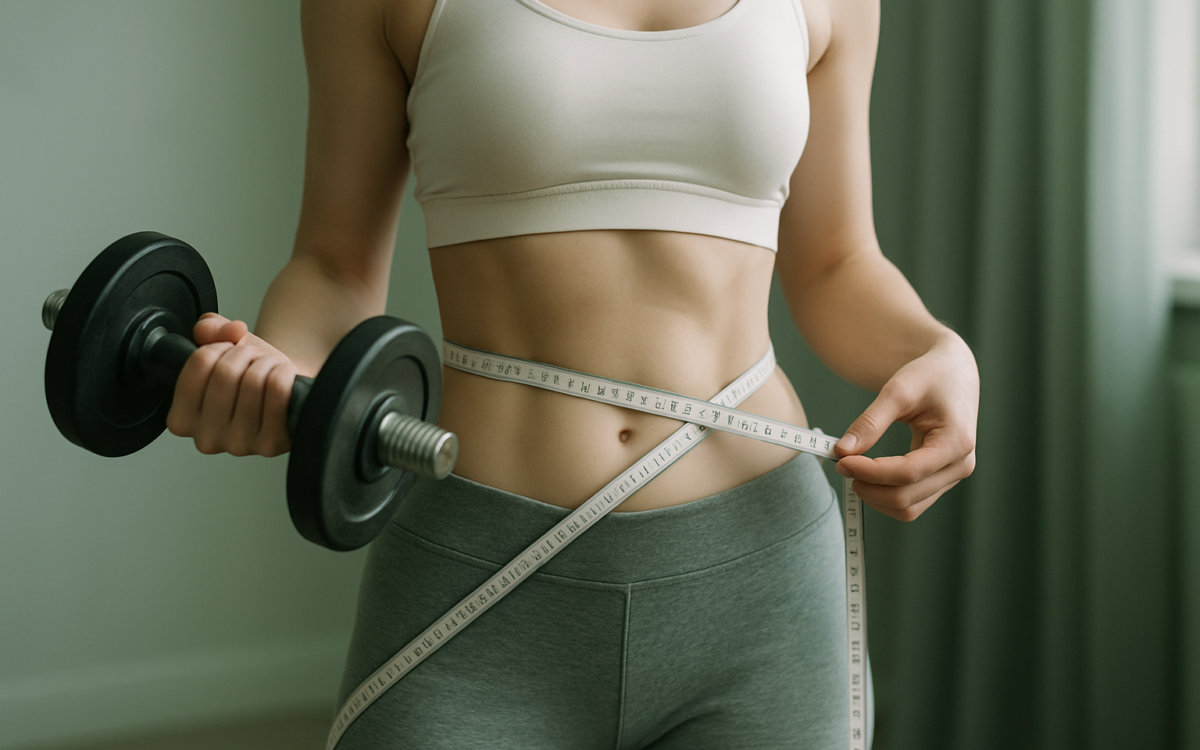
Many people aspire to lose weight and gain muscle at the same time, but it can feel like trying to ride a unicycle on a tightrope. It can be tricky to find the right balance between the two goals. Yet, with the right strategies in place, it is entirely possible to shed fat while building lean muscle. This article explores effective methods to achieve this balance, aiming for a healthier, more fit version of yourself.
Understanding Weight Loss and Muscle Gain
Before diving into strategies, it’s essential to understand what losing weight and gaining muscle entails. Weight loss typically occurs when you burn more calories than you consume. Conversely, gaining muscle usually requires a surplus of calories, especially from protein. The key to successfully achieving both goals is managing these factors in a way that fosters muscle growth while reducing body fat.
Create a Balanced Diet
Your diet plays a significant role in your ability to lose weight and gain muscle. Focus on incorporating whole foods that support both goals:
- Protein: Ensure adequate protein intake for muscle repair and growth. Sources can include lean meats, fish, eggs, dairy, beans, and legumes.
- Healthy Fats: Include avocados, nuts, seeds, and olive oil, which provide essential fatty acids and support overall health.
- Carbohydrates: Opt for whole grains, fruits, and vegetables for energy needed during workouts.
Consider tracking your macronutrient intake to ensure you’re consuming the right ratios of protein, fats, and carbohydrates. Many find that a diet rich in protein and lower in carbohydrates can aid in losing fat while supporting muscle preservation.
Strength Training is Key
Incorporating strength training into your routine is crucial for gaining muscle. Here are some foundational steps to get started:
- Choose Compound Exercises: Exercises like squats, deadlifts, bench presses, and lunges engage multiple muscle groups, promoting more muscle growth and calorie burn.
- Gradually Increase Resistance: Aim to progressively increase the weights you lift to continuously challenge your muscles.
- Frequency: Training multiple times a week (2-4 times) will lead to better results in both strength gains and fat loss.
Strength training not only helps in building muscle mass but also increases your resting metabolic rate, contributing to fat loss.
Incorporate Cardio Wisely
While strength training is crucial for muscle gain, cardiovascular exercise is also essential for losing weight. Here’s how to balance both:
- Moderate Cardio: Engaging in moderate-intensity cardio, such as brisk walking or cycling, for about 150 minutes a week can help burn calories without significantly impairing muscle growth.
- High-Intensity Interval Training (HIIT): Short bursts of intense activity followed by rest can be effective for fat loss while preserving muscle mass.
The goal is to maintain a level of cardio that supports weight loss without inhibiting recovery from strength training.
Focus on Recovery
Recovery is often the overlooked aspect of fitness. After a workout, your body needs time to repair, especially when building muscle. Here are tips for effective recovery:
- Sufficient Sleep: Aim for 7-9 hours of quality sleep per night to aid muscle recovery.
- Stay Hydrated: Water is crucial for metabolism and recovery. Dehydration can impede performance and recovery.
- Rest Days: Allow your muscles adequate time to recover by incorporating rest days into your routine. Overtraining can lead to injury and reduced performance.
Incorporating recovery into your routine can enhance your ability to lose weight while gaining muscle effectively.
The Role of Consistency
Ultimately, consistency is key. Whether it’s your workouts or diet, making small changes and sticking to them over time is far more effective than drastic, short-term measures. Here’s how to cultivate consistency:
- Set Realistic Goals: Establish achievable short and long-term goals to keep you motivated. Celebrate small wins along the way!
- Monitor Progress: Keep a workout journal or use apps to track your achievements, adjustments, and even setbacks.
- Stay Flexible: Life can sometimes disrupt your routine. Having flexibility allows you to adapt rather than giving up entirely.
By maintaining consistency, you’ll create lasting habits that contribute to both fat loss and muscle gain.
When to See a Doctor
If you’re struggling to lose weight or gain muscle despite following a balanced diet and exercise routine, it might be time to consult your doctor. They can help identify any underlying health issues or provide personalized advice suited to your needs. Additionally, consulting with a licensed nutritionist or fitness expert might be beneficial for tailored strategies.
In conclusion, losing weight while gaining muscle is a achievable and rewarding goal. With the right mix of balanced nutrition, strength training, cardio, recovery, and consistency, you can work toward a healthier lifestyle. Remember, it’s not just about the scale, but about building strength and health that lasts.
