
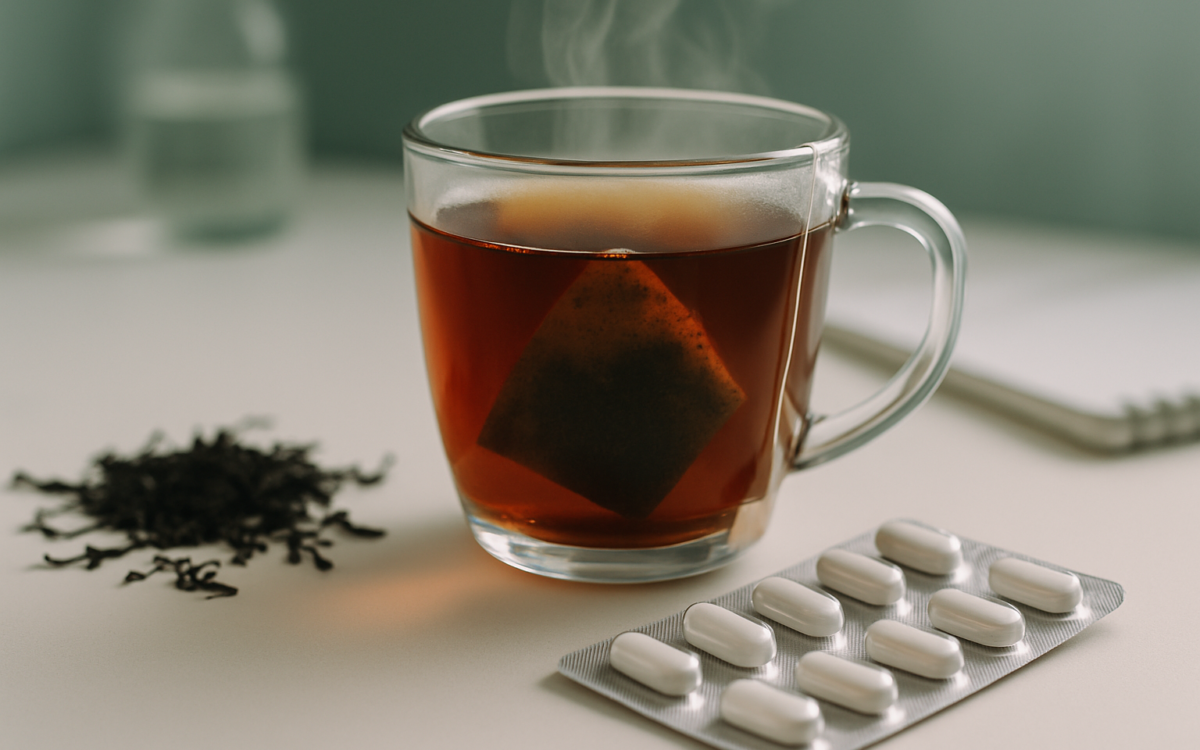
Black tea is one of the most popular beverages worldwide, enjoyed for its rich flavor and numerous health benefits. But how much caffeine does it contain, and what implications does this have for your health? Let’s delve into the details of black tea and caffeine, revealing what you need to know.
Caffeine Content in Black Tea
Black tea typically contains caffeine, but the exact amount can vary widely based on several factors. Generally, an 8-ounce cup of brewed black tea contains around 40 to 70 milligrams of caffeine. This is less than coffee, which averages between 80 to 100 milligrams per 8-ounce serving. The variation in caffeine content in black tea depends on its type, the brewing time, and the temperature of the water used for steeping.
How Factors Influence Caffeine Levels
Several factors can influence the caffeine levels in your cup of black tea:
- Type of Tea Leaves: Different varieties of black tea, such as Assam, Darjeeling, and Earl Grey, may have varying caffeine levels. Assam tea generally has higher caffeine compared to Darjeeling tea.
- Brewing Time: The longer you steep the tea, the more caffeine it will extract. A steep time of 3-5 minutes is common for achieving the right flavor and caffeine balance.
- Water Temperature: Brewing black tea with water at a higher temperature (around 200°F or 93°C) can result in more caffeine being released into your cup.
Health Benefits of Black Tea Caffeine
Caffeine from black tea offers several health benefits that can enhance your daily life:
- Improved Mental Alertness: Caffeine can help increase focus and concentration. Studies have shown that moderate caffeine intake may enhance cognitive functions and improve memory.
- Boosted Physical Performance: Caffeine is known to enhance physical performance by increasing adrenaline levels. This can be beneficial for those engaging in physical activities or exercise.
- Rich in Antioxidants: Black tea is loaded with polyphenols, which are antioxidants that combat oxidative stress. This can contribute to overall health, including heart health and potentially reducing the risk of certain cancers.
Caffeine Sensitivity and Tolerance
While many people enjoy the benefits of caffeine, some individuals are more sensitive to its effects. Symptoms of caffeine sensitivity can include jitteriness, increased heart rate, and difficulty sleeping. If you’re sensitive to caffeine, you might want to limit your intake of black tea or opt for decaffeinated versions.
Many people develop a tolerance to caffeine over time. This tolerance means that the same amount of caffeine may have less of an effect on those who consume it regularly. Consequently, some might find they need to drink more black tea to achieve the same energy boost.
Hydration and Black Tea
One common misconception is that beverages containing caffeine are dehydrating. While caffeine does have a mild diuretic effect, studies indicate that moderate consumption of black tea contributes to daily fluid intake and can help with hydration.
In fact, many researchers, including those associated with NIH, suggest that black tea can be just as hydrating as water when consumed in moderation. Therefore, you can enjoy your cup of black tea without fear of dehydration.
Understanding Individual Needs
Everyone’s tolerance to caffeine can vary significantly based on genetics, age, and overall health. Pregnant women, individuals with certain medical conditions, or those taking specific medications may need to limit their caffeine intake. Because of this variability, it’s essential to be in tune with your body and adjust your black tea consumption accordingly.
Recommended Daily Limit
Most health experts suggest a moderate caffeine intake of around 400 milligrams per day for most adults. This translates to approximately 4 to 5 cups of black tea, depending on the strength and type. However, if you’re experiencing negative side effects, it might be time to reassess your consumption.
When to See a Doctor
If you’re concerned about your caffeine intake or experience symptoms like anxiety, insomnia, or heart palpitations after consuming black tea, it may be wise to consult a healthcare professional. They can provide personalized guidance based on your health history and symptoms.
Conclusion
Black tea is a delightful beverage that offers a moderate dose of caffeine along with plenty of health benefits. Understanding the balance between caffeine and your individual health needs can help you enjoy this classic drink without negative effects. Remember to listen to your body, and consult with a healthcare provider if you have any concerns. Cheers to your health!
