
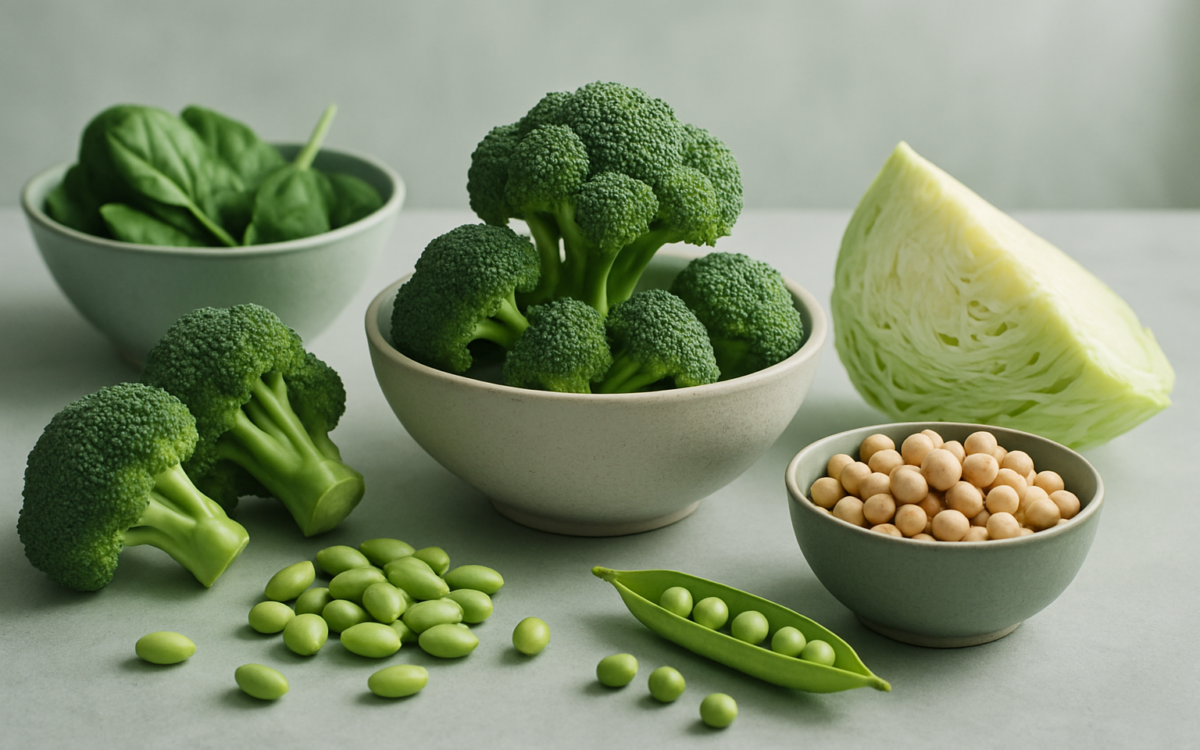
When it comes to a healthy diet, protein often gets the spotlight, especially among fitness enthusiasts and health-conscious eaters. While meat, dairy, and eggs are readily known for their protein content, don’t overlook the world of vegetables! Yes, certain vegetables boast surprisingly high protein levels and can easily be integrated into various meals, providing essential nutrients and helping to meet your dietary goals.
Understanding Protein in Vegetables
Protein is a vital macronutrient that plays numerous roles in the body, including building and repairing tissues, making enzymes and hormones, and supporting immune function. While animal products are typically viewed as the primary sources of protein, many plant foods, including certain vegetables, can also provide adequate amounts.
A high-protein vegetable is generally one that contains at least 2 grams of protein per serving. Diets rich in vegetables can provide more fiber and nutrients while being lower in calories compared to high-protein animal products. This makes incorporating high-protein vegetables an excellent choice for vegans, vegetarians, and anyone seeking to add more plant-based foods to their plate.
Top High Protein Vegetables
- Edamame: These young soybeans are not only rich in protein—offering about 17 grams per cup—but are also full of vitamins and minerals like folate and vitamin K.
- Green Peas: A cup of green peas provides around 9 grams of protein along with fiber, making them a nutritious addition to soups, casseroles, or as a side dish.
- Spinach: While generally low in calories, a cup of cooked spinach offers about 5 grams of protein, along with essential nutrients like iron and calcium.
- Kale: This leafy green is packed with nutrients. A cup of cooked kale has about 2-3 grams of protein and is rich in vitamins A, C, and K.
- Broccoli: Known for its numerous health benefits, a cup of cooked broccoli contains around 4 grams of protein and is an excellent source of fiber and vitamins.
- Brussels Sprouts: These small cabbages offer about 4 grams of protein per cup when cooked and are rich in antioxidants.
Incorporating High Protein Vegetables into Your Meals
Adding high protein vegetables to your meals can be both some practical and delicious. Here are some creative ideas:
1. Breakfast Smoothies
Start your day with a protein-packed smoothie. Blend spinach or kale with your favorite fruits and a scoop of plant-based protein powder for an energizing start.
2. Salads
Enhance your salads by adding peas, edamame, or roasted Brussels sprouts. This increases the protein content while adding flavor and texture.
3. Soups and Stews
Include high-protein vegetables like broccoli and green peas in your soups. They provide added nutrition and help make your meals heartier.
4. Stir-Fries
Whip up a quick stir-fry featuring bok choy, snow peas, and edamame. Toss vegetables with a protein source like tofu or tempeh for a complete meal.
If you’re looking for international treatment perspectives on high-protein diets, it’s worth exploring resources like acibademinternational.com for additional insights.
5. Roasted Vegetables
Try roasting a mix of high-protein vegetables like Brussels sprouts, broccoli, and sweet potatoes with your favorite spices. Roasting enhances their flavors and makes for a tasty side dish.
Benefits of High Protein Vegetables
Incorporating high-protein vegetables into your diet comes with a variety of health benefits:
- Weight Management: High-protein vegetables are often low in calories and can help you feel fuller longer, aiding in weight loss or maintenance.
- Heart Health: Many of these vegetables are rich in fiber and antioxidants, which support a healthy heart and lower cholesterol levels.
- Digestive Health: The fiber content in high-protein vegetables promotes healthy digestion and regular bowel movements.
- Bone Health: Vegetables like spinach and kale provide calcium and magnesium, crucial for maintaining strong bones.
Possible Challenges
While high-protein vegetables are beneficial, they come with their own set of challenges. Here are a few to keep in mind:
1. Protein Quantity
The protein content in vegetables is generally lower than in meat or dairy, so it’s essential to consume a variety of protein sources to meet your dietary needs.
2. Digestibility
Some people may find plant-based proteins harder to digest than animal proteins. Incorporating cooked vegetables and legumes can help make it easier.
3. Nutritional Balance
Focusing solely on high-protein vegetables can lead to a lack of variety in your diet. Make sure to include a wide range of foods to ensure you’re getting all necessary nutrients.
When to See a Doctor
If you’re considering making significant changes to your diet or are unsure about your nutritional needs, it’s wise to consult a healthcare professional or a registered dietitian. They can provide personalized advice tailored to your health goals and dietary preferences.
Conclusion
Incorporating high protein vegetables into your meals opens a world of possibilities for healthy eating. With the right balance, you can enjoy delicious meals while boosting your protein intake and overall nutrition. Remember, the key to a balanced diet is variety, so explore the wide selection of veggies available and have fun mixing them into your culinary creations!
