
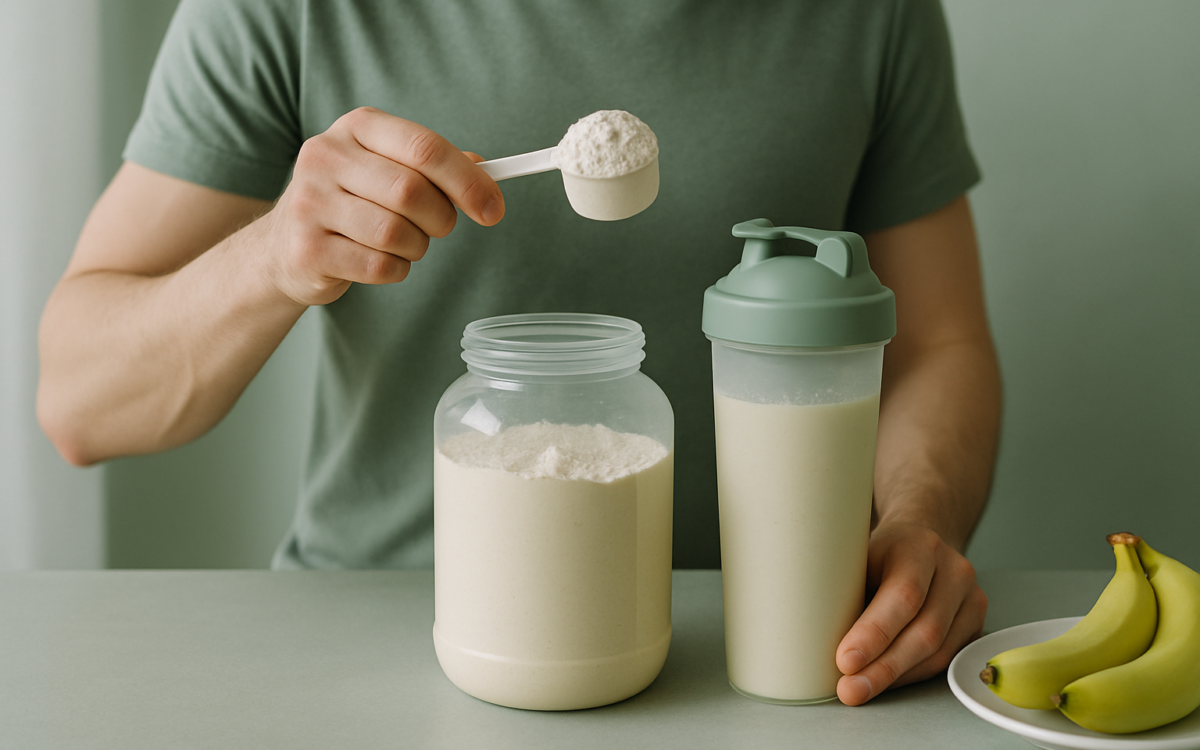
In a world where many people focus on losing weight, a different challenge exists: gaining weight in a healthy way. Whether due to a fast metabolism, medical conditions, or dietary choices, some individuals struggle to put on pounds. Protein shakes are increasingly becoming a popular choice for those looking to increase their weight. They offer a convenient way to add calories and protein, which are essential for muscle growth and overall health.
Understanding Protein and Its Role in Weight Gain
Protein is a vital nutrient that helps your body build and repair tissues, including muscles. When trying to gain weight, particularly in the form of muscle, consuming adequate protein is key. The more muscle you have, the higher your resting metabolic rate, which can help maintain a healthy balance as you gain weight.
Many experts recommend a daily protein intake of approximately 0.8 grams per kilogram of body weight as a minimum for average adults, but those looking to bulk up may require more. This is where protein shakes come in—they provide a quick, easy way to boost your protein intake without needing a lot of preparation.
Benefits of Protein Shakes for Weight Gain
Integrating protein shakes into your routine can offer several benefits:
- Caloric Surplus: Protein shakes can be designed to be high in calories, helping you consume more than your body burns.
- Convenience: They are quick and easy to prepare, making them ideal for busy lifestyles.
- Variety of Flavors: Available in different flavors, they can be a delightful way to increase your calorie intake.
- Nutrient Boost: Many shakes contain added vitamins and minerals, contributing to overall nutrition.
According to the National Institutes of Health, incorporating protein supplements can significantly help users meet their dietary protein requirements, especially when trying to gain muscle mass.
Choosing the Right Protein Shake
With so many protein shakes on the market, it’s essential to choose one that aligns with your weight gain goals. Here are some common protein types you might encounter:
- Whey Protein: Quickly digested, it’s ideal for post-workout recovery.
- Casein Protein: Slower to absorb, it can be effective overnight or between meals.
- Plant-Based Proteins: Such as pea or hemp protein, are suitable for vegans and those with dairy sensitivities.
When selecting a protein shake, look for one that is high in calories and contains other essential nutrients. Additionally, consider the brand’s reputation and whether the product has been tested for quality and safety.
How to Incorporate Protein Shakes into Your Diet
Making protein shakes part of your diet doesn’t have to be complicated. Here are a few ideas:
- Post-Workout Recovery: Consume a shake after workouts to help repair and build muscles.
- Meal Replacement: Use protein shakes as a supplement to meals when you don’t feel hungry or as a quick meal option.
- Mix with Foods: Add protein powder to oatmeal, smoothies, or yogurt for extra nutrition.
- High-Calorie Ingredients: Consider adding nut butters, fruits, or oats to your shake to increase calorie density.
If you’re considering traveling abroad for weight gain treatments, remember that many healthcare facilities, such as international patient services, can provide tailored programs that include dietary guidance alongside medical advice.
Potential Risks of Excessive Protein Intake
While protein shakes can be beneficial, it’s essential not to overdo it. Some potential risks include:
- Kidney Stress: High protein consumption can put extra strain on the kidneys, particularly for those with pre-existing conditions.
- Digestive Issues: Some people may experience bloating or discomfort when consuming protein shakes, especially if they have lactose intolerance.
- Nutrient Imbalance: Relying too heavily on protein shakes may lead to deficiencies in other important nutrients.
The Mayo Clinic advises balancing protein intake with other food groups to ensure a well-rounded diet.
When to See a Doctor
If you are struggling with weight gain despite dietary changes or are unsure about how much protein you should be consuming, it’s essential to consult a healthcare professional. Additionally, if you have underlying health conditions or are experiencing unintended weight loss, a doctor can help guide you toward the best dietary choices for your situation.
Conclusion
Protein shakes can be an effective and enjoyable way to support weight gain, provided they are part of a balanced diet. By selecting the right type of shake and incorporating it wisely into your meals, you can take steps toward achieving your weight gain goals. Remember, it’s always best to consult with a medical professional or a dietitian to tailor a plan that suits your health status and lifestyle.
