
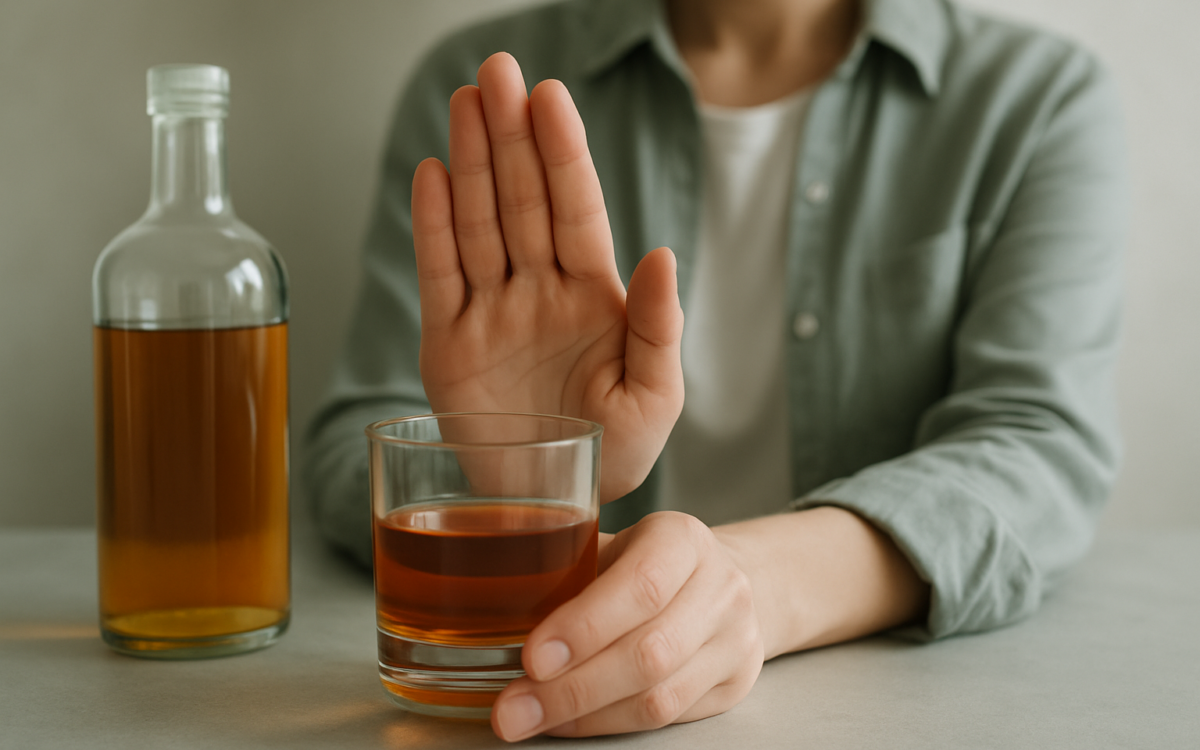
For many, drinking alcohol starts as a social activity or a way to unwind after a long day. However, when it becomes a habit that you can’t seem to shake, it can affect every part of your life. If you’re finding it hard to stop drinking, know that you’re not alone, and there are effective methods to break free.
Understanding Your Relationship with Alcohol
The first step in stopping alcohol consumption is to understand why you drink. Are you using it to cope with stress, to fit in with friends, or simply out of habit? Recognizing the triggers that lead you to drink can offer valuable insights and help you make a change.
Set Clear Goals
When you decide to stop drinking, having clear and achievable goals is crucial. Think about how much you want to cut back or whether you want to quit altogether. Setting specific goals, such as “I will not drink on weekdays” or “I won’t consume more than three drinks when I do drink,” can provide structure and motivation.
Explore Healthier Alternatives
Finding alternatives to alcohol can make a big difference. Consider substituting alcohol with non-alcoholic beverages, such as sparkling water, herbal tea, or mocktails. This can help you engage socially without feeling the need to drink alcohol. Additionally, focus on hobbies or activities that don’t involve drinking, like exercising, reading, or joining a local club.
Build a Support System
Letting others know about your goal to stop drinking can create a supportive environment. Surround yourself with friends and family who respect your decision and can encourage you along the way. You might also consider joining a support group like Alcoholics Anonymous, where you can share your experiences and gain perspective from others facing similar challenges.
Address Underlying Issues
Sometimes, people drink to escape emotional pain or stress. If you suspect that underlying issues like anxiety or depression contribute to your drinking, it may be helpful to speak with a mental health professional. Therapy can provide you with coping strategies and tools to manage your feelings in healthy ways. According to the National Alliance on Mental Illness (NAMI), addressing mental health issues can play a significant role in reducing alcohol consumption.
Monitor Your Progress
Keep track of your drinking habits by maintaining a journal. Write down when you drink, how much you consume, and how you feel afterward. This can help you recognize patterns and celebrate your successes, no matter how small. Tracking your progress can motivate you to stay committed to your goals.
When to See a Doctor
If you find it particularly challenging to stop drinking or if you experience withdrawal symptoms, consulting a healthcare professional is essential. Signs that you need to seek help include a strong craving for alcohol, increased tolerance, and withdrawal symptoms when you attempt to cut back. A doctor can help assess your situation and suggest treatment options that may work for you.
Conclusion
Stopping drinking alcohol can be a tough journey, but it’s one that is possible with the right strategies and support. By understanding your motivations, setting clear goals, finding alternatives, and seeking support, you can regain control of your life. Remember, if you ever feel overwhelmed, don’t hesitate to reach out to a healthcare professional for guidance.
