
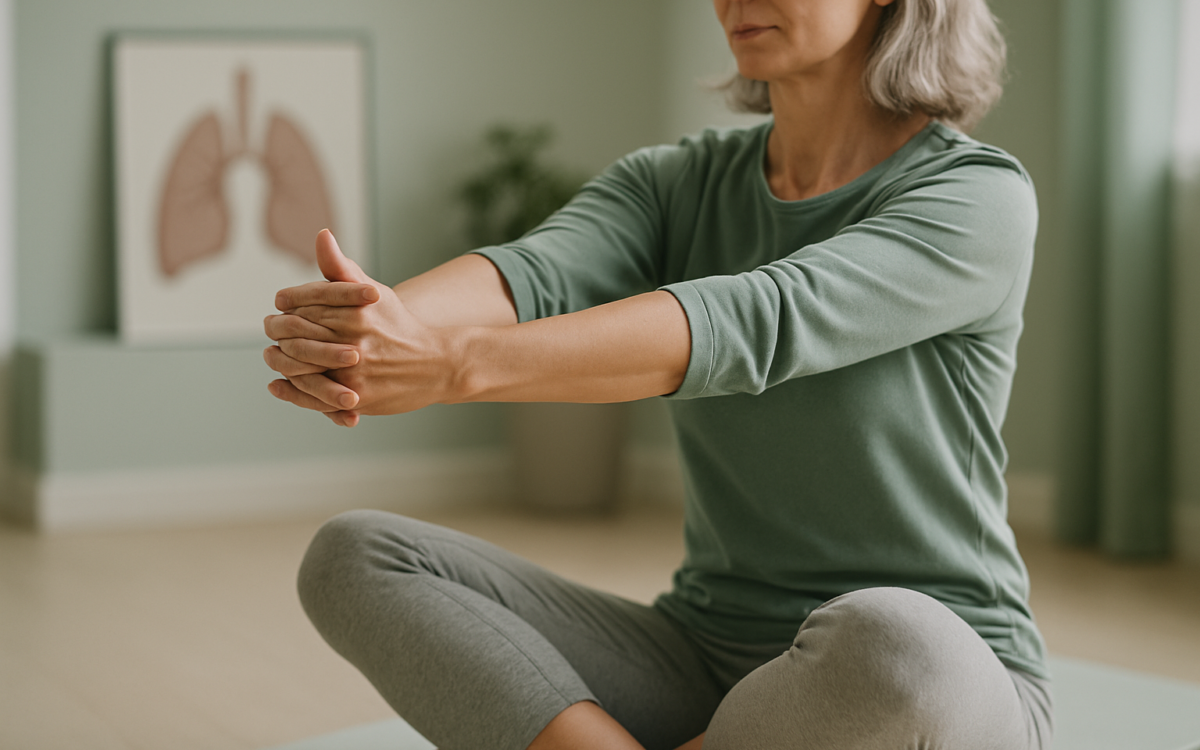
The health of your lungs is vital to your overall well-being. They play a crucial role in providing oxygen to your body and removing carbon dioxide. Engaging in regular exercise not only strengthens your lungs but also boosts your endurance and readiness for daily activities. This article explores the best exercises for lung health that can fit into anyone’s routine, regardless of their fitness level.
Understanding Lung Health
Your lungs are more than just organs for breathing. They also help regulate the body’s pH levels and filter out harmful particles. Healthy lungs are essential for good quality of life, especially as we age or if we have existing health conditions. According to the National Institutes of Health, regular exercise can improve lung function, increase oxygen capacity, and enhance circulation.
Aerobic Exercises
Aerobic exercises are among the best workouts for your lungs. They increase your heart rate and breathing rate, effectively improving the efficiency of your respiratory system.
Walking
Walking is a simple, low-impact aerobic exercise suitable for virtually everyone. It’s an excellent way to boost lung function, particularly for beginners. Aim for 30 minutes a day, five times a week. Start slow and gradually increase your pace.
Running or Jogging
If you’re looking for a more rigorous workout, try running or jogging. These activities jab your heart rate up, increasing lung capacity over time. Begin with shorter distances and progressively build your endurance.
Cycling
Cycling, whether outdoors or on a stationary bike, offers another engaging way to improve lung health. Like running, it gets your heart pumping and your lungs working effectively. Aim for at least 20-30 minutes at a moderate pace.
Breathing Exercises
In addition to traditional cardio exercises, incorporating specific breathing techniques can further enhance lung function. These exercises help you become more aware of your breathing, helping to expand lung capacity.
Diaphragmatic Breathing
This exercise focuses on using the diaphragm effectively. Lie on your back with your knees bent and shoulders relaxed. Place one hand on your chest and the other on your belly. Inhale deeply through your nose, ensuring that only your stomach rises. Exhale slowly through your mouth. Repeat this for 5 to 10 minutes.
Pursed-Lip Breathing
Pursed-lip breathing is particularly helpful for those with respiratory conditions. It helps control breathlessness. To perform this exercise, inhale deeply through your nose for two counts, then exhale slowly through pursed lips for four counts. This technique improves ventilation and decreases shortness of breath.
Strength and Flexibility Training
While cardio is essential for lung health, including strength and flexibility training is crucial for overall fitness.
Yoga
Yoga combines physical postures with focused breathing, making it an excellent way to enhance lung capacity. Poses like Fish Pose and Cobra Pose open the chest and improve lung function. Consider joining a beginner class or following online tutorials to get started.
Resistance Training
Using weights or resistance bands can improve your overall strength and stamina, which indirectly benefits your lungs. Incorporate bodyweight exercises, like squats and push-ups, into your routine to build strength effectively.
Consistency Is Key
The best part about these exercises is that they can be adjusted to fit anyone’s lifestyle and fitness level. Remember, the goal is to find activities you enjoy that you can incorporate into your daily routine. Aim for at least 150 minutes of moderate aerobic exercise each week, along with several days of strength training.
When to See a Doctor
If you experience persistent issues with breathing, including shortness of breath, coughing up blood, or if your exercise routine causes chest pain, it’s essential to consult a healthcare professional. Underlying conditions such as asthma, chronic obstructive pulmonary disease (COPD), or other respiratory issues may require specialized care.
Conclusion
Maintaining your lung health is an ongoing journey, and exercise plays a vital role. By incorporating aerobic exercises, breathing techniques, and strength training into your routine, you can enhance lung function and overall well-being. Regular physical activity not only strengthens your lungs but also contributes to better heart health and improved quality of life. Make sure to find activities that you enjoy, and remember to consult your healthcare provider if you have any concerns about your lung health.
