
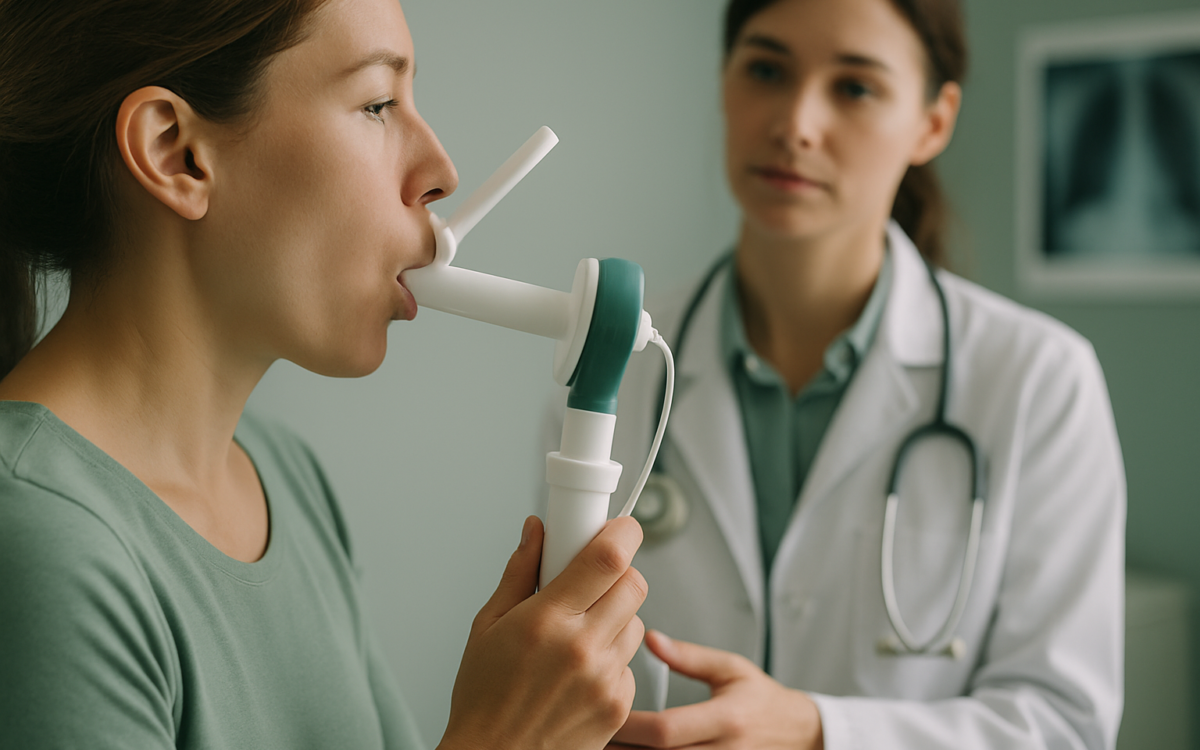
Having good lung capacity is vital for overall health. It allows you to oxygenate your body efficiently and supports physical activities. Whether you’re an athlete or just looking to improve your general well-being, understanding how to enhance your lung capacity can benefit you greatly.
Why Lung Capacity Matters
Lung capacity refers to the total amount of air your lungs can hold. It influences how well you can perform physical activities and impacts your overall stamina. Poor lung capacity can lead to fatigue and reduced exercise tolerance.
1. Practice Deep Breathing Exercises
Deep breathing exercises focus on maximizing the amount of air you take into your lungs. Here are a couple of techniques:
- Diaphragmatic Breathing: Sit or lie down comfortably. Place one hand on your chest and the other on your stomach. Inhale deeply through your nose, expanding your diaphragm, so your stomach rises more than your chest. Exhale slowly through your mouth.
- Pursed-Lip Breathing: Inhale slowly through your nose for two counts. Pucker your lips as if you’re going to whistle, and exhale slowly for four counts. This technique slows your breathing and keeps your airways open longer.
2. Engage in Regular Aerobic Exercise
Consistent aerobic exercise is one of the most effective ways to improve your lung capacity. Activities like walking, running, swimming, and cycling can enhance your lung function. Aim for at least 150 minutes of moderate aerobic exercise each week, as recommended by the CDC.
3. Try Lung-Strengthening Activities
Aside from aerobic exercises, incorporating activities that strengthen your lungs can be beneficial:
- Yoga: Many yoga practices focus on breath control, helping improve lung capacity and breathing efficiency. Poses such as the Cat-Cow and Cobra can open up your chest, allowing more air to flow.
- Singing or Playing Wind Instruments: Both singing and playing wind instruments, such as a flute or trumpet, require controlled breath and can improve lung capacity through practice.
4. Maintain Good Air Quality
Breathing clean air can significantly impact your lung health. Here are some tips to maintain good air quality:
- Keep your home well-ventilated. Open windows and use air filters to reduce indoor pollutants.
- Avoid smoking and exposure to secondhand smoke, as it can harm lung function.
- Stay away from high pollution areas or use a mask if you must be in those environments.
5. Stay Hydrated and Eat a Healthy Diet
What you eat and drink can influence your lung health. Staying hydrated is essential, as it helps keep the lining of your lungs moist, which is critical for respiratory function. Aim for a diet rich in fruits, vegetables, whole grains, and lean proteins, as this can support overall health. Foods rich in omega-3 fatty acids, like fish and walnuts, may benefit lung function as well.
6. Maintain A Healthy Weight
Excess weight can limit lung capacity and make it harder to breathe. If you’re overweight, consider adopting a balanced diet and regular exercise routine to support weight loss. Consult with a healthcare professional for personalized advice about weight management.
How Stress Affects Breathing
Stress can lead to shallow breathing, which restricts your lung capacity. Incorporating stress reduction techniques like mindfulness, meditation, or gentle exercises such as tai chi can help improve your breathing.
When to See a Doctor
If you experience persistent shortness of breath, a chronic cough, or any significant changes in your breathing patterns, it’s important to consult a healthcare professional. These symptoms could be a sign of more serious conditions affecting your lungs.
Conclusion
Improving lung capacity is not only beneficial for athletes but for everyone who wants to enhance their overall health and well-being. By practicing deep breathing exercises, engaging in regular aerobic and lung-strengthening activities, maintaining good air quality, and eating healthily, you can significantly support your lung function. Remember to keep monitoring your health and consult a healthcare professional if needed.
