
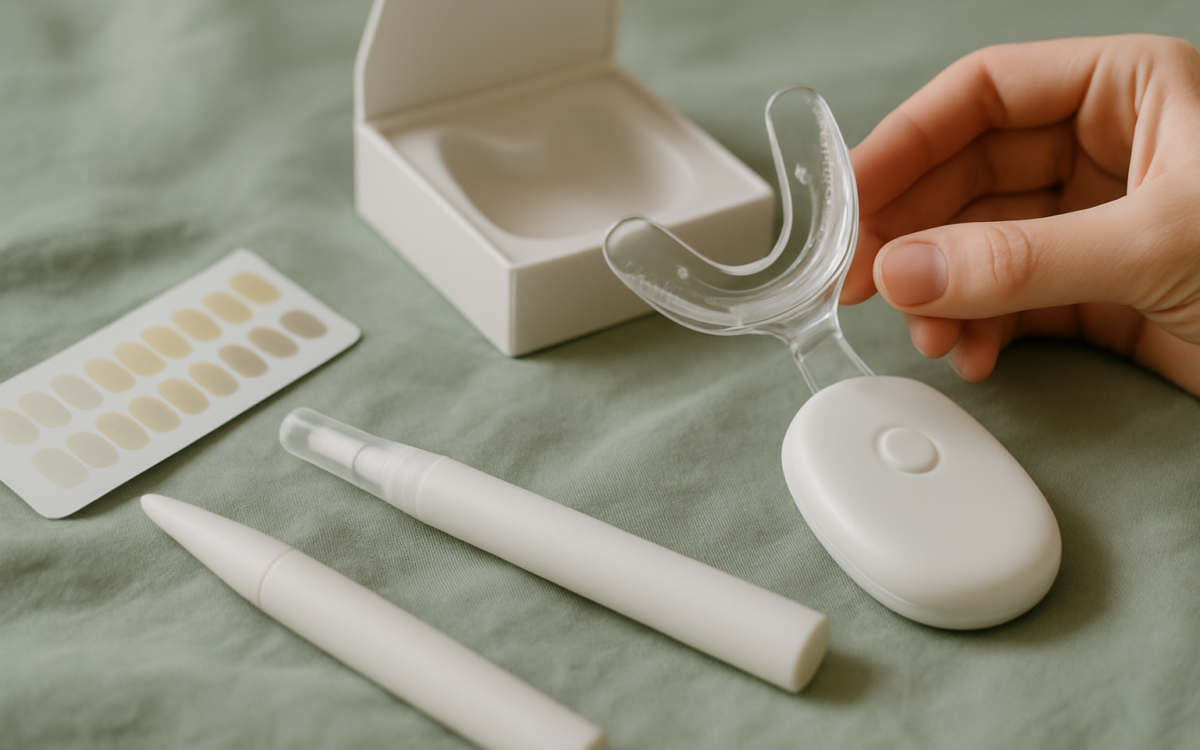
A bright, white smile can boost your confidence and make a lasting impression. Over recent years, the market for teeth whitening kits has exploded, catering to those who wish to enhance the brightness of their smiles from the comfort of their own homes. With so many options available, however, it can be overwhelming to choose the right product. In this article, we’ll delve into the different types of teeth whitening kits, their effectiveness, safety, and considerations to keep in mind.
Understanding Teeth Whitening Kits
Teeth whitening kits typically use one of two main types of whitening agents: hydrogen peroxide or carbamide peroxide. Both chemicals work by breaking down the stains on teeth, resulting in a lighter shade. Depending on the formulation, some kits offer more immediate results, while others may take weeks to show noticeable changes.
Types of Teeth Whitening Kits
There are several different types of teeth whitening kits available, each designed for various needs and preferences:
- Whitening Strips: These thin, flexible plastic strips are coated with a whitening gel. Users apply them directly to their teeth for a specified duration. Most are designed to be used daily or every other day for about one to two weeks.
- Whitening Trays: Many kits include custom-fitted trays filled with a whitening solution. Some come with pre-filled trays, while others allow users to fill them with a gel. The proposed wear time and concentration of ingredients can vary by product.
- Whitening Pens: These are easy-to-use applicators that allow users to paint the whitening gel directly onto their teeth. Typically reserved for quick touch-ups, they may not deliver the same level of results as strips or trays.
- Whitening Toothpaste: While not a kit per se, many people opt for whitening toothpaste to complement their at-home whitening routine. These contain mild abrasives and sometimes low concentrations of bleaching agents.
Effectiveness of Teeth Whitening Kits
The effectiveness of teeth whitening kits can vary depending on the individual’s initial tooth color, the type of kit used, and how long it is applied. Research shows that home whitening kits can improve tooth color significantly, often achieving a change of 3 to 5 shades. However, results may also depend on lifestyle factors such as diet, smoking, and oral hygiene habits.
According to the National Institutes of Health, a combination of good oral hygiene, such as regular brushing and flossing, along with a whitening kit, can enhance results and prolong the effects. For those with more severe discoloration, professional treatment may be more suitable.
Are Teeth Whitening Kits Safe?
Most over-the-counter teeth whitening kits are considered safe when used as directed. However, some individuals may experience side effects, such as tooth sensitivity and gum irritation. The Mayo Clinic advises consumers to follow the instructions carefully and discontinue use if they experience any adverse reactions. It’s also important to note that excessive use of whitening products can damage enamel, leading to increased sensitivity and other oral health issues.
Who Should Avoid Teeth Whitening Kits?
Certain individuals should exercise caution or avoid teeth whitening altogether. Those with:
- Severe dental problems (e.g., cavities, gum disease)
- Sensitive teeth
- Allergies to the ingredients in the whitening products
- Restorative dental work (like crowns or veneers) that may not respond to whitening
Consulting with a dentist before starting any whitening regimen is always a good practice.
Tips for Choosing a Teeth Whitening Kit
When selecting a teeth whitening kit, consider the following tips to help you make an informed decision:
- Consult Your Dentist: Before beginning any whitening process, consult with your dentist. They can help determine the best product based on your dental health and whitening goals.
- Look for ADA Seal of Acceptance: Products with this seal have been evaluated for safety and effectiveness.
- Read Reviews: Customer reviews can provide insights into the effectiveness and comfort of a product. Look for independent reviews, not just those on the product site.
- Avoid Overuse: Follow the directions carefully and avoid using products beyond the suggested time frame.
Alternative Teeth Whitening Methods
In addition to over-the-counter kits, there are several natural and home remedies people often utilize for whitening their teeth:
- Baking Soda: A common household ingredient, baking soda has mild abrasive properties. Its use in toothpaste can help remove surface stains.
- Activated Charcoal: Some claim that activated charcoal can bind to stains and lead to a whiter smile; however, its effectiveness is still debated in the scientific community.
- Oil Pulling: This ancient practice involves swishing oil (often coconut oil) in your mouth for about 10–20 minutes. Some find it helps reduce surface stains, although more research is needed.
While these alternatives can provide some benefits, the results may not be as significant as those from commercial products.
When to See a Doctor
If you experience persistent tooth sensitivity or pain while using a whitening kit, or if you notice any unusual changes in your gums or teeth, it’s essential to consult your dentist. Additionally, if you have dental conditions that affect your suitability for teeth whitening (like cavities or gum disease), a professional evaluation will be necessary before initiating treatment.
Teeth whitening kits can be an effective and convenient option for brightening your smile. By understanding the different types, their effectiveness, and safety considerations, you can make informed decisions to achieve the dazzling smile you desire. Remember, maintaining good oral hygiene and consulting with your dentist will help ensure the best results.
