
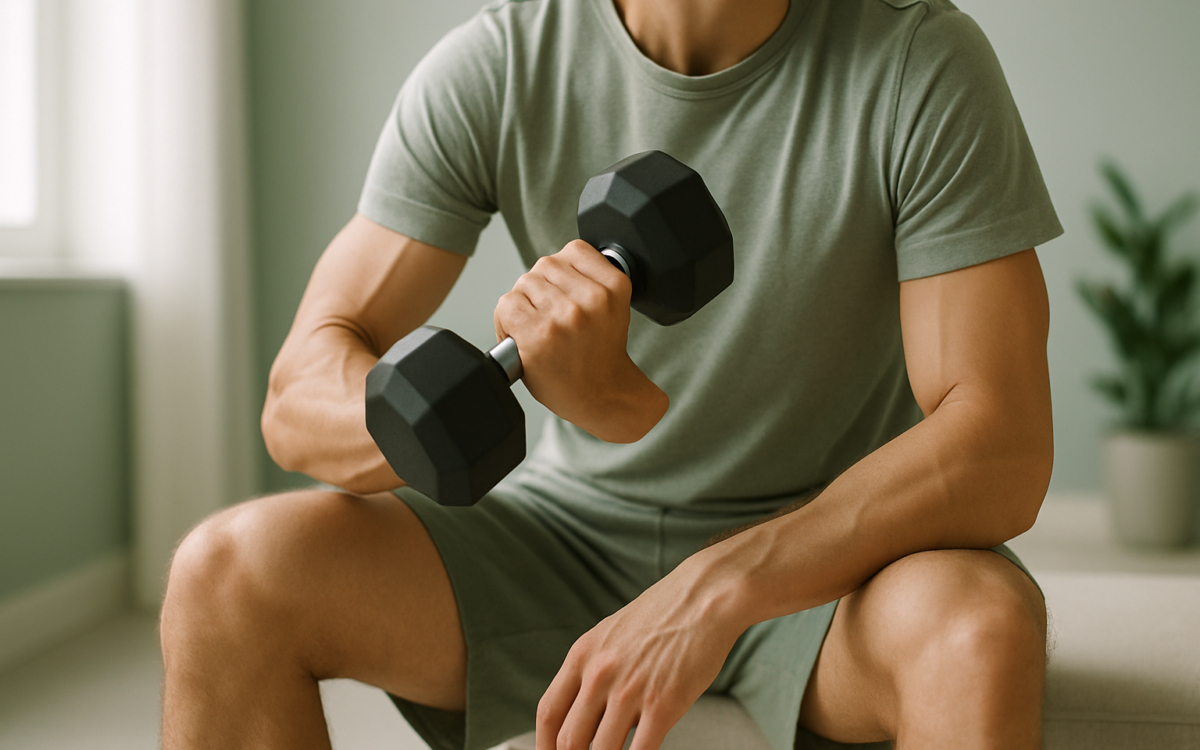
Building muscle is not just about lifting weights; it’s about creating a stronger, healthier you. Whether you aim to boost your athletic prowess, improve your metabolism, or enhance your overall fitness, engaging in muscle-building exercises is essential. Let’s dive into some effective exercises and methods that can help you reach your goals.
Understanding Muscle Building
Before we delve into specific exercises, it’s important to understand how muscle building works. When you engage in resistance training, your muscle fibers experience small tears. As your body repairs these tears, your muscles grow back stronger and larger. This process is known as muscle hypertrophy. It’s crucial to include both progressive overload (gradually increasing weights) and sufficient rest for optimal muscle growth. More information on muscle hypertrophy can be found on the NIH website.
Bodyweight Exercises for Beginners
Bodyweight exercises are an excellent starting point for those new to muscle building. They require no equipment and can be performed anywhere.
- Push-ups: Great for building upper body strength, focusing on your chest, shoulders, and triceps.
- Squats: These work your legs and core, preparing you for heavier weights later.
- Planks: Excellent for core stability, helping you maintain proper form in other exercises.
Weight Training Basics
Once you’re comfortable with bodyweight exercises, it’s time to incorporate weight training. This can significantly increase your muscle mass and strength.
- Bench Press: Targets the chest and triceps, building upper body strength.
- Deadlifts: These engage multiple muscle groups, including your back, legs, and core.
- Shoulder Press: Focuses on the shoulders and arms, important for achieving upper body balance.
Learn weight training fundamentals from the Mayo Clinic for a structured approach.
Incorporating Resistance Bands
Resistance bands are a versatile tool that can enhance your workouts. They add resistance and help improve your stabilizing muscles.
- Banded Squats: Increase the intensity of your squats and engage the hip muscles.
- Chest Press: Mimics bench pressing, allowing you to strengthen your chest with less risk of injury.
- Rows: Use bands to target your back for a balanced upper body workout.
Add Variety with High-Intensity Interval Training (HIIT)
HIIT combines short bursts of high-intensity activities with low-intensity recovery periods. This training method can help build muscle while improving cardiovascular fitness.
- Burpees: A total body exercise that works strength and endurance.
- Jump Squats: These add a plyometric element, increasing power and leg strength.
- Mountain Climbers: Excellent for core strength and overall conditioning.
For more details on the benefits of HIIT, check out the CDC’s website.
Optimal Nutrition for Muscle Building
Exercise alone isn’t enough; nutrition plays a key role in muscle building. A balanced diet rich in protein, healthy fats, and complex carbohydrates will support your training goals.
- Protein: Aim for lean meats, fish, beans, and nuts. Protein is vital for muscle repair and growth.
- Healthy Fats: Include sources like avocados and olive oil to help with hormone production.
- Complex Carbohydrates: Whole grains and vegetables will fuel your workouts effectively.
Consult a nutrition expert to create a meal plan tailored to your muscle-building goals.
When to See a Doctor
If you experience unusual pain that doesn’t improve with rest, persistent fatigue, or significant changes in your physical abilities, it’s essential to consult a healthcare professional. Early intervention can prevent long-term issues.
Conclusion
Building muscle is a rewarding journey that requires commitment and consistency. By incorporating a variety of exercises, focusing on nutrition, and listening to your body, you can achieve your fitness goals and improve your overall health. Remember to consult your doctor before starting any new exercise routine, especially if you have underlying health conditions.
