
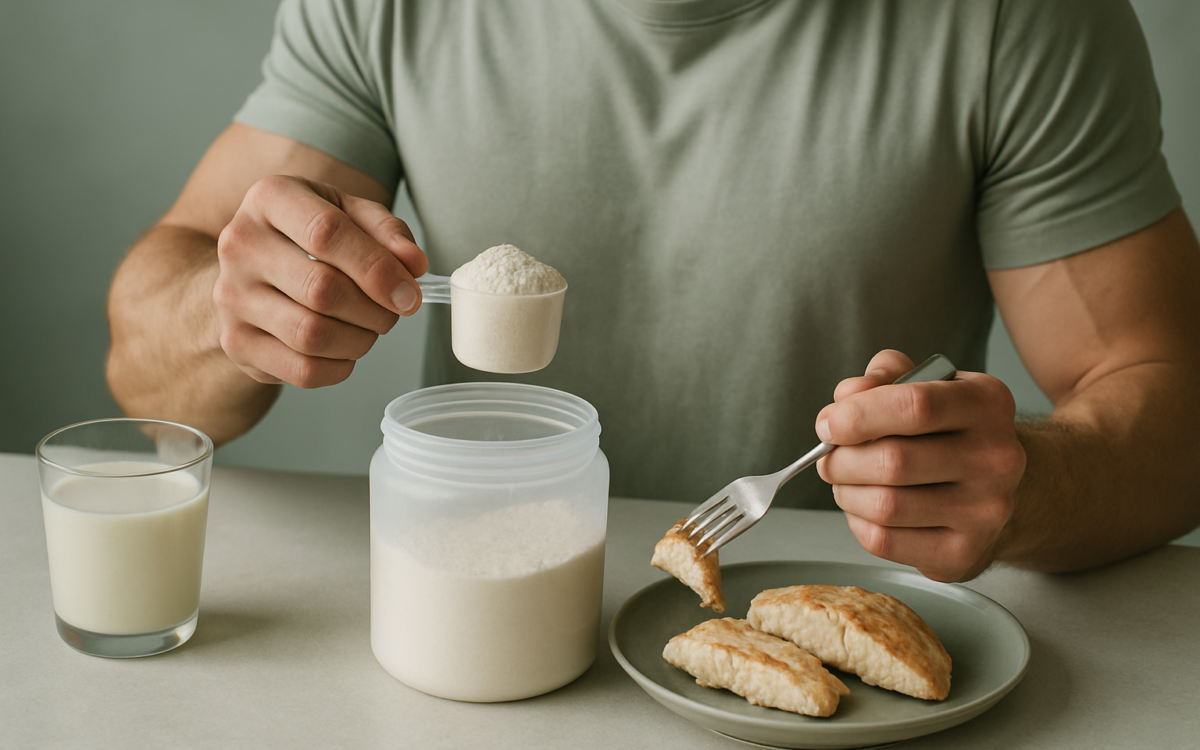
When it comes to building muscle, diet plays a significant role, and protein is at the heart of that equation. Protein is not only vital for muscle repair but also essential for muscle growth. Understanding how much protein you need and the best sources can help you on your journey to increased strength and fitness.
Why Protein is Essential for Muscle Gain
Protein is made up of amino acids, which are the building blocks of your body’s cells, including muscle cells. When you engage in strength training or resistance exercises, the training causes small tears in your muscle fibers. Protein aids in repairing these tears, helping your muscles recover and grow stronger.
Research shows that adequate protein intake can enhance muscle protein synthesis, which is essential for muscle gain. According to the National Institutes of Health, protein consumption can significantly influence recovery and growth in muscle tissue, making it a priority for anyone looking to increase their strength or body mass.
How Much Protein Do You Need?
Determining how much protein you need can depend on several factors, including your age, sex, activity level, and fitness goals. The general recommendation for those who are active and looking to build muscle is to consume between 1.2 to 2.2 grams of protein per kilogram of body weight daily. This means if you weigh 70 kilograms (about 154 pounds), you should aim for between 84 to 154 grams of protein each day.
The World Health Organization suggests that for those engaged in intense workouts, increasing protein intake within this range can support muscle repair and growth.
Understanding Protein Timing
Protein timing refers to when you consume protein relative to your workouts. Many experts recommend consuming a source of protein within 30 minutes to two hours after your workout. This timing helps enhance the body’s ability to recover and promotes muscle growth. A meal or snack high in protein, combined with carbohydrates, can stimulate muscle recovery effectively after training sessions.
Best Sources of Protein
Not all protein sources are created equal. Here are some excellent options to consider:
- Animal-based proteins: These include chicken, turkey, beef, fish, eggs, and dairy products like yogurt and cheese. They are known for providing complete proteins, which contain all essential amino acids.
- Plant-based proteins: These are ideal for vegetarians and vegans and include beans, lentils, chickpeas, quinoa, tofu, tempeh, and nuts. While many plant proteins are not complete, combining different sources can provide all essential amino acids.
- Protein supplements: Protein powders like whey, soy, or pea protein can be an effective method to boost protein intake, especially for those who find it challenging to meet their needs through food alone.
Balance Your Diet
While protein is crucial for muscle growth, a balanced diet is equally important. Your body needs a variety of nutrients to operate optimally and promote recovery. This includes:
- Carbohydrates: They provide energy for your workouts and support recovery. Whole grains, fruits, and vegetables are excellent sources.
- Fats: Healthy fats, such as avocados, nuts, and olive oil, contribute to overall health and can help regulate muscle building hormones.
- Vitamins and minerals: Nutrient-rich foods support muscle function and recovery. Leafy greens, fruits, and whole grains should be key components of your diet.
Consulting with a registered dietitian or nutritionist can help you develop a personalized eating plan that supports your protein needs and overall wellness.
Common Myths About Protein and Muscle Gain
There’s a lot of misinformation around protein consumption. Here are a few myths debunked:
- Myth: More protein always leads to more muscle gains. Fact: Your body can only utilize a certain amount of protein at a time. Excess protein can be stored as fat.
- Myth: You must consume protein immediately after exercise. Fact: While post-workout protein is important, the overall daily intake is more significant.
- Myth: All protein sources are the same. Fact: The quality and digestibility of protein sources vary, affecting how well your body can use them.
Being aware of these myths can help you foster a better understanding of your nutritional needs.
When to See a Doctor
If you’re considering making significant changes to your diet, especially regarding protein intake, consult a healthcare professional. This is particularly important if you have existing health conditions, are pregnant, or are an athlete with specific dietary requirements.
Conclusion
Proper protein intake is an essential aspect of muscle gain, recovery, and overall fitness. Understanding how much protein you need, when to consume it, and the best sources can greatly influence your progress. Remember, building muscle is a gradual process, and a balanced diet combined with consistent exercise is key to achieving your goals.
