
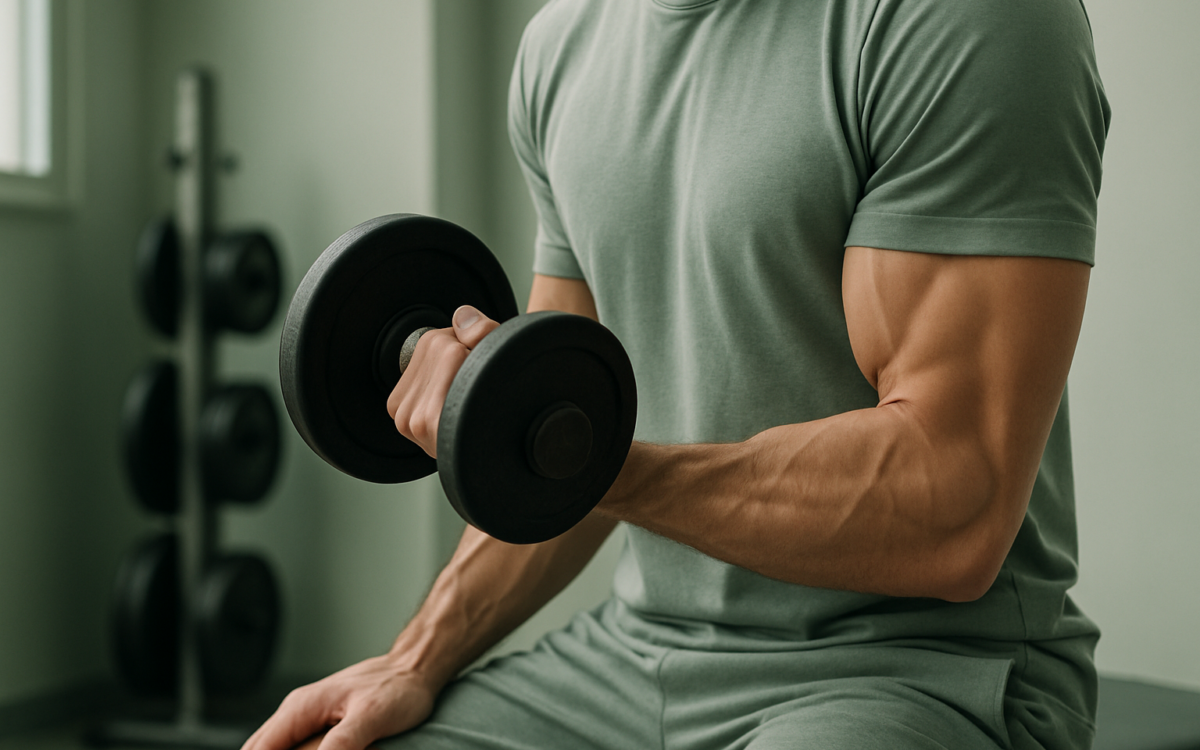
Have you ever watched a weight lifting competition or seen someone effortlessly lift a heavy weight? It can be inspiring! But whether you’re a beginner or have some experience, weight lifting is a fantastic way to build muscle, improve your overall health, and boost your confidence. In this article, we’ll explore how weight lifting helps in muscle building, effective techniques, and tips for getting started.
Understanding Muscle Growth
Before diving into weight lifting, it’s helpful to understand how muscle growth works. When you lift weights, your muscles experience tiny tears, which is a normal part of the process. Your body works hard to repair these tears, resulting in bigger and stronger muscle fibers. This process is known as muscle hypertrophy. According to the National Institutes of Health (NIH), this muscle repair is what leads to increased strength and size over time.
Choosing the Right Weight
Selecting the right weight is crucial for effective muscle building. If the weight is too light, you won’t see the results you want. If it’s too heavy, you risk injury. A good starting point is to choose a weight that allows you to complete 8-12 repetitions with good form, where the last few reps feel challenging but not impossible.
Tips for Weight Selection
- Start with lighter weights and gradually increase as your strength improves.
- Pay attention to your body; if you can easily lift a weight for more than 12 reps, it’s time to increase the load.
- Focus on form rather than weight. Proper technique reduces the risk of injury and is vital for muscle engagement.
Effective Weight Lifting Techniques
Incorporating various techniques into your weight lifting routine can maximize your muscle building efforts. Here’s a look at some proven methods:
Compound Exercises
Compound exercises work multiple muscle groups at once. They are effective for building overall strength and size. Some popular compound exercises include:
- Squats
- Deadlifts
- Bench Press
- Pull-Ups
Isolation Exercises
In contrast, isolation exercises target specific muscles. While they shouldn’t be the foundation of your workout, they can help enhance a particular area. Examples include:
- Bicep Curls
- Tricep Extensions
- Leg Curls
Creating a Balanced Workout Plan
A balanced workout plan is key to muscle building and overall fitness. Here’s how to structure your routine:
Frequency
For muscle growth, aim to lift weights at least 3-4 times a week. Give each muscle group ample time to recover by waiting 48 hours before working the same group again.
Progressive Overload
To continue building muscle, you need to gradually increase the demands you place on your body. This can be achieved through:
- Increasing weight
- Increasing repetitions
- Decreasing rest time
Proper Nutrition for Muscle Building
Nourishing your body is essential when lifting weights. Your muscles need fuel to grow. Focus on these nutritional aspects:
Protein Intake
Protein is often referred to as the building block of muscles. Aim for a balanced diet that includes plenty of protein-rich foods, such as:
- Lean meats
- Eggs
- Dairy products
- Legumes
Hydration
Staying hydrated is just as important as nutrition. Drink plenty of water before, during, and after your workouts to support performance and recovery.
Staying Motivated and Safe
Weight lifting can be challenging, especially for beginners. Keeping motivation high and practicing safety is vital.
Setting Goals
Setting realistic goals can help you stay focused. Whether it’s increasing your weightlifting capacity or simply being consistent, having targets can drive you forward.
Listening to Your Body
Pay attention to how your body responds to weight lifting. It’s normal to feel sore after a workout, but sharp pain or discomfort could be a sign of injury. If this happens, take a break and consult a medical professional.
When to See a Doctor
If you experience persistent pain, swelling, or discomfort during or after weight lifting, it’s wise to consult your doctor. In addition, any unusual symptoms after exercising, such as dizziness or shortness of breath, should be taken seriously. Always prioritize your health and safety.
Conclusion
Weight lifting is a powerful tool for building muscle, enhancing fitness, and boosting self-esteem. By understanding the principles of muscle growth, selecting the right weights, and maintaining proper nutrition, you can embark on a rewarding fitness journey. Remember to enjoy the process and consult with healthcare professionals if you have any concerns along the way. Happy lifting!
