
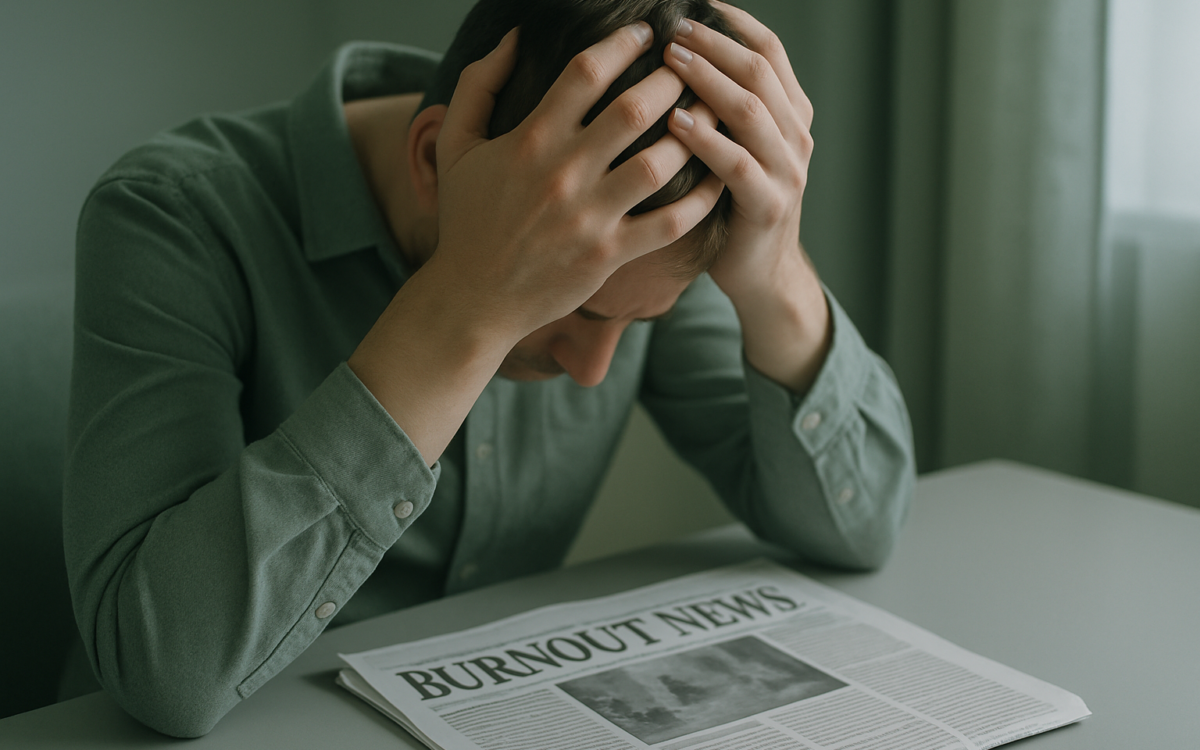
Burnout is a term that has become more common in recent years, especially as many individuals face increasing pressures in their daily lives. As our understanding of mental health evolves, so does our awareness of burnout and its widespread impact on our well-being. This article aims to demystify burnout, shedding light on its symptoms and offering strategies to help you cope.
What is burnout?
Burnout is a state of emotional, mental, and physical exhaustion caused by prolonged stress or frustration, often related to work or personal demands. It can make you feel drained, overwhelmed, and unable to meet the challenges of life. According to the World Health Organization, burnout is not classified as a medical condition, but it is an important health issue that can affect your overall well-being.
Recognizing the signs of burnout
Awareness of burnout’s symptoms is essential for addressing it effectively. Here are some common signs to look out for:
- Physical symptoms: Chronic fatigue, sleep disturbances, headaches, and gastrointestinal issues.
- Emotional signs: Feelings of helplessness, detachment, irritability, and a lack of motivation.
- Cognitive effects: Difficulty concentrating, forgetfulness, and an overwhelming sense of cynicism or negativity.
If you find that these symptoms resonate with you, it may be time to take a closer look at your situation.
Causes of burnout
Understanding the causes of burnout can help in preventing it or mitigating its effects. Burnout typically arises from prolonged exposure to stressors, such as:
- High work demands: Excessive workload, tight deadlines, and lack of control can overwhelm you.
- Workplace culture: A toxic or unsupportive environment can exacerbate feelings of being undervalued.
- Imbalanced lifestyle: Neglecting personal time or self-care can hinder your ability to recharge.
Identifying these factors in your life can be vital in crafting a plan to address burnout.
Impact of burnout on health
Burnout can have severe consequences on both mental and physical health. Chronic stress can lead to anxiety, depression, and other psychiatric conditions. Additionally, prolonged burnout can contribute to physical ailments, such as cardiovascular disease or weakened immune response. The National Institutes of Health highlights a strong link between burnout and various health risks, emphasizing the importance of addressing burnout effectively.
Strategies for combatting burnout
Once you recognize the signs of burnout and identify its causes in your life, you can take action. Here are several effective strategies to help you combat burnout:
- Establish boundaries: Learn to say no to additional responsibilities that may overwhelm you.
- Prioritize self-care: Engage in activities that bring you joy and relaxation, such as exercise, hobbies, or spending time with loved ones.
- Connect with others: Sharing your feelings with trusted friends or family members can provide emotional support and help reduce feelings of isolation.
- Seek professional help: Talking to a therapist or counselor can be beneficial, especially if you are struggling with deeper issues related to burnout.
Implementing these strategies can help alleviate the effects of burnout and improve your mental health.
Staying informed about burnout news
Burnout continues to gain attention in health news and research. Staying updated on the latest findings can empower you to recognize and address burnout more effectively. Follow trusted health organizations such as the Centers for Disease Control and Prevention (CDC) and reputable medical journals for the most current information on burnout.
When to see a doctor
If you find that you are experiencing persistent symptoms of burnout that interfere with your daily life, it may be time to talk to a doctor. They can help you assess your symptoms and explore options for treatment or support.
Burnout is a significant concern in today’s fast-paced world, but by recognizing its signs and taking proactive steps, you can regain your well-being. It’s essential to maintain a balance that works for you and to seek help when necessary. Stay informed, stay engaged, and prioritize your health.
