
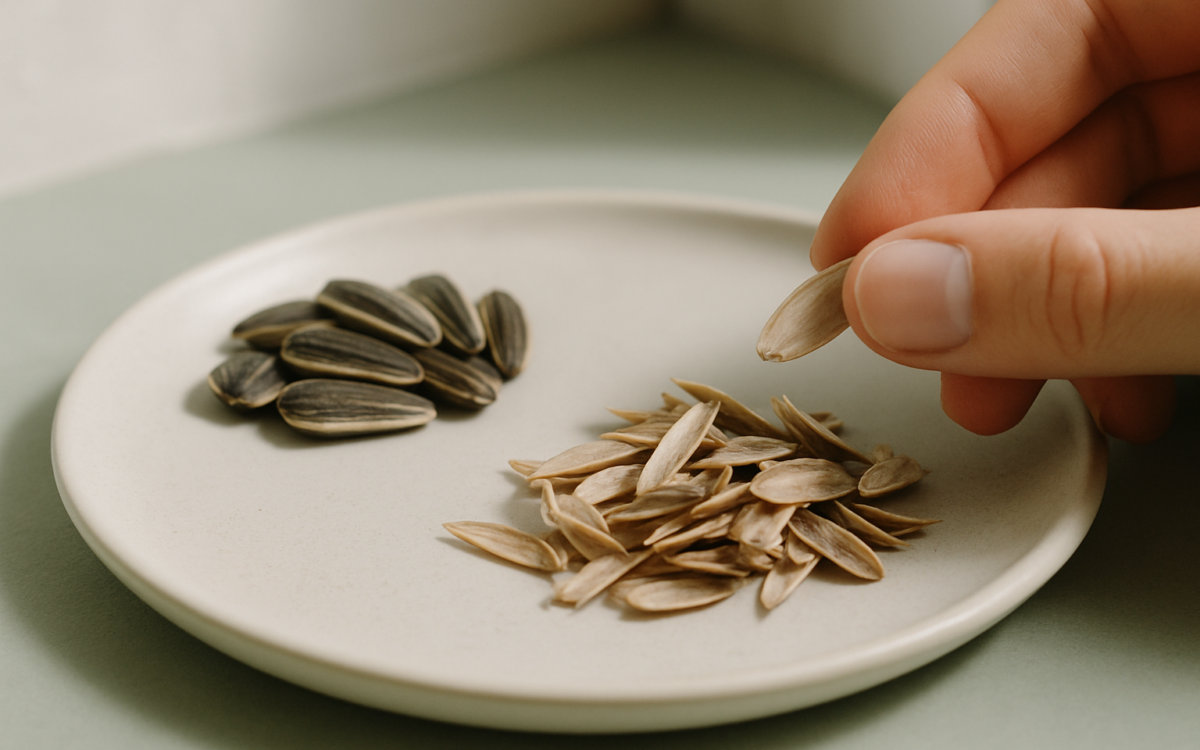
Sunflower seeds are a popular snack, known for their crunchy texture and nutty flavor. Often sold with their shells intact, they can offer a delightful eating experience, especially for those who enjoy the act of shelling seeds. But what about the shells themselves? Are they safe to eat? Do they provide any nutritional benefits? In this article, we’ll explore these questions to help you decide whether sunflower seed shells should be part of your diet.
The Basics of Sunflower Seeds
Sunflower seeds come from the large flower heads of the sunflower plant. These seeds are rich in healthy fats, protein, and a range of essential nutrients, including vitamin E and magnesium. They are often consumed roasted or raw, and many people enjoy snacking on them either shelled or unshelled.
What Are Sunflower Seed Shells Made Of?
The shells of sunflower seeds, also known as hulls, are primarily composed of fibrous material and cellulose. Their hard structure serves as a protective layer for the delicate seed inside. Due to this tough exterior, swallowing sunflower seed shells is not advisable, as they can be challenging to digest.
Can You Eat Sunflower Seed Shells?
While technically you can eat sunflower seed shells, doing so may not be the best choice for your digestive health. Here are some factors to consider:
- Digestibility: Sunflower seed shells are tough and may not break down easily in the digestive system. This can lead to discomfort, blockages, or even digestive issues in some individuals, especially if consumed in large amounts.
- Nutritional Value: The shells provide very little in terms of nutritional benefits compared to the seeds themselves. While they contain fiber, the amount may not be significant enough to outweigh the potential risks of consumption.
- Additives and Seasoning: Many sunflower seeds are sold roasted and salted. If you choose to eat the shells, consider that added salt and seasoning can be unhealthy in excess, contributing to high sodium intake.
In summary, while eating sunflower seed shells may be harmless for some, it is generally not advisable due to concerns about digestibility and nutritional value.
Health Risks of Eating Sunflower Seed Shells
Before deciding to munch on those shells, it’s important to understand the potential health risks involved. Here are a few concerns:
- Choking Hazard: The hard nature of the shells can pose a choking hazard, especially for children or individuals with swallowing difficulties.
- Digestive Problems: Eating too many sunflower shell pieces may lead to gastrointestinal discomfort. People with sensitive stomachs or existing digestive conditions should exercise caution.
- Lead Exposure: Some studies suggest that sunflower shells could absorb heavy metals like lead from the soil. While the risk depends on multiple factors, consuming shells for their fiber content might not be worthwhile if contaminants are present.
If you experience discomfort after eating sunflower seed shells, it’s essential to evaluate how many you consumed and consult a healthcare professional if necessary.
Healthier Ways to Enjoy Sunflower Seeds
If you’re looking for ways to include sunflower seeds in your diet without the shells, consider these alternatives:
- Roasted Sunflower Seeds: Purchase roasted and shelled sunflower seeds for a nutritious snack without the hassle of shells.
- Add to Meals: Sprinkle shelled sunflower seeds on salads, yogurt, or oatmeal to enhance texture and nutritional value.
- Baking: Integrate sunflower seeds into your baking. They make an excellent addition to bread, muffins, or granola bars.
These options allow you to enjoy the health benefits of sunflower seeds without the concerns associated with their shells.
High Fiber Alternatives
If you’re interested in increasing your fiber intake, there are many foods that can provide beneficial fiber without the risks associated with sunflower seed shells:
- Fruits and Vegetables: Incorporate a variety of colorful fruits and vegetables into your diet; they are rich in fiber, vitamins, and minerals.
- Whole Grains: Foods like brown rice, whole wheat bread, and oats are great sources of dietary fiber.
- Legumes: Beans, lentils, and chickpeas not only provide fiber but are also packed with protein.
Choosing these alternatives can help you meet your daily fiber needs while supporting overall health.
When to See a Doctor
If you’ve eaten sunflower seed shells and are experiencing discomfort, such as abdominal pain, bloating, or changes in bowel habits, it may be a good idea to speak with a healthcare professional. Additionally, if you’re concerned about digestive issues or have a known condition affecting your gut, consult your doctor for personalized advice.
Conclusion
In conclusion, while you can eat sunflower seed shells, it’s not generally recommended due to potential digestive risks and limited nutritional benefits. Instead, focus on enjoying the seeds themselves, which can be a healthy and satisfying addition to your diet. Always remember to consult with a healthcare provider if you have any concerns about your dietary choices or digestive health.
