
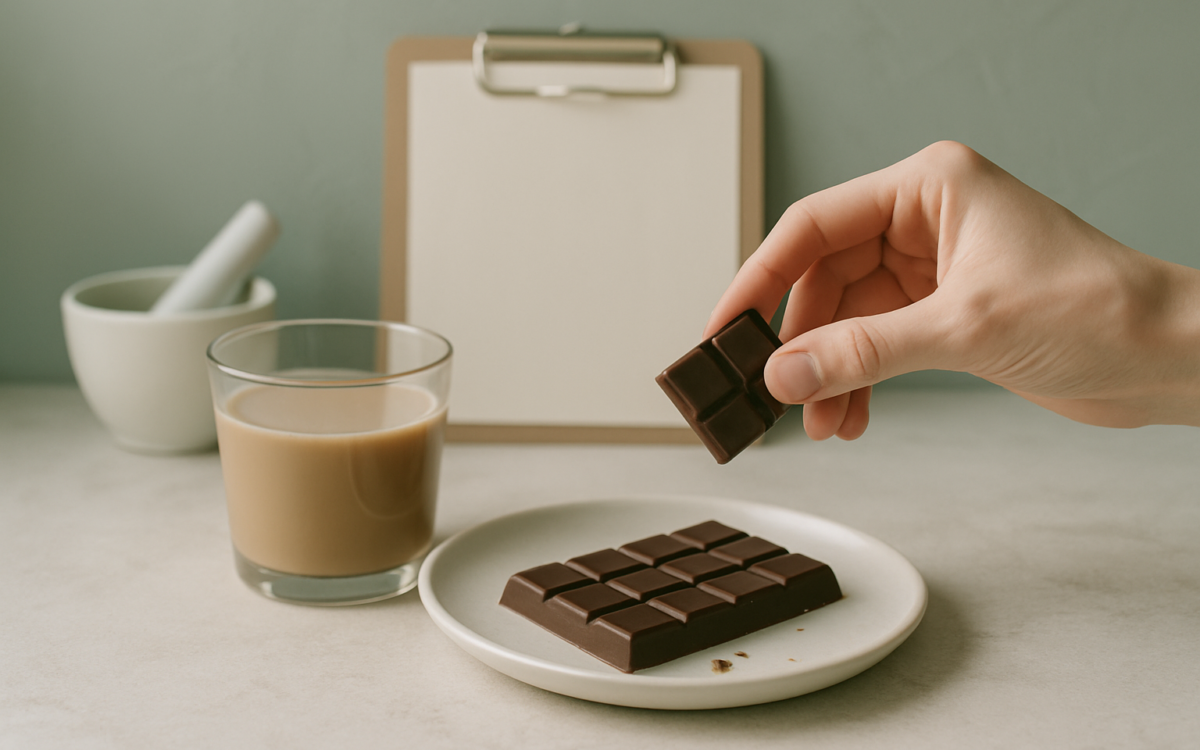
Many of us love chocolate, whether it’s in a bar, cake, or just a simple candy. But if you’re a caffeine-conscious consumer, you might wonder: does chocolate have caffeine? The answer is yes, but the amount varies widely. In this article, we’ll dive into the details surrounding chocolate and its caffeine content, helping you understand what it means for your health and lifestyle.
Understanding Caffeine
Caffeine is a natural stimulant found in various plants. It works by blocking the neurotransmitter adenosine, which helps you feel awake and alert. Most people are familiar with caffeine from coffee and tea, but it’s also present in many other foods and beverages, including chocolate.
How Much Caffeine Is in Chocolate?
The caffeine content in chocolate depends on factors like the type of chocolate and how it’s processed. Here’s a quick breakdown:
- Dark Chocolate: Contains the highest amount of caffeine, averaging about 50-70 milligrams per 100 grams, depending on the cocoa content.
- Milk Chocolate: Typically has less caffeine, around 20-40 milligrams per 100 grams.
- White Chocolate: Technically not chocolate since it doesn’t contain cocoa solids, but it may have trace amounts of caffeine due to processing.
To put this into perspective, a standard cup of brewed coffee contains approximately 95 mg of caffeine. So, while chocolate does have caffeine, it’s much less than what you’d find in a cup of coffee.
The Health Effects of Caffeine in Chocolate
Chocolate’s caffeine content can affect individuals differently, depending on their caffeine tolerance and personal health. Moderate consumption of chocolate may even have some health benefits due to the presence of other compounds such as flavonoids. Here are a few effects:
- Energy Boost: Due to its caffeine content, chocolate can help you feel more awake and alert.
- Heart Health: Some studies suggest that moderate consumption of dark chocolate may have cardiovascular benefits, thanks to its antioxidant properties [source](https://www.ncbi.nlm.nih.gov/).
- Stress Relief: Many people find that indulging in chocolate can improve their mood, partly due to its stimulating effects.
However, excessive caffeine consumption—regardless of the source—can lead to increased heart rate, anxiety, and sleep disturbances. It’s crucial to keep your overall caffeine intake within recommended limits, which is about 400 mg per day for most adults. For those with specific health concerns, such as heart conditions, a consultation with a healthcare provider regarding chocolate and caffeine consumption is advisable.
International Differences in Chocolate
The way chocolate is consumed varies significantly across countries. In some cultures, chocolate is viewed as a special treat, while in others, it’s a daily snack. The caffeine content may also differ due to regional chocolate-making processes and types of cacao beans used.
International consumers might find varying ranges of caffeine in chocolate. For instance, European dark chocolates often have a higher cocoa content, and hence, more caffeine than those manufactured in North America. If you’re considering international options for chocolate treatment, look into facilities like Acibadem International that focus on health and wellness.
Choosing Chocolate Wisely
If you’re conscious about caffeine but still want to enjoy chocolate, here are some tips:
- Go Dark: Dark chocolate usually offers more health benefits and less sugar than milk chocolate.
- Watch Portion Sizes: Smaller servings can help manage overall caffeine intake while still allowing you to indulge.
- Check Labels: Look for caffeine content listed on packaging, especially for specialty chocolates.
By making informed choices, you can enjoy the delights of chocolate while keeping your health in check.
When to See a Doctor
If you experience symptoms like palpitations, insomnia, or increased anxiety after consuming chocolate, it may be wise to consult a healthcare provider. This is especially important if you have existing health conditions that could be exacerbated by caffeine intake.
Conclusion
Chocolate indeed contains caffeine, but in much smaller amounts than coffee or tea. Understanding the type of chocolate you choose and monitoring your overall caffeine intake can help you enjoy this sweet treat without concern. Remember, moderation is key. Enjoy your chocolate, but always keep health considerations in mind!
