
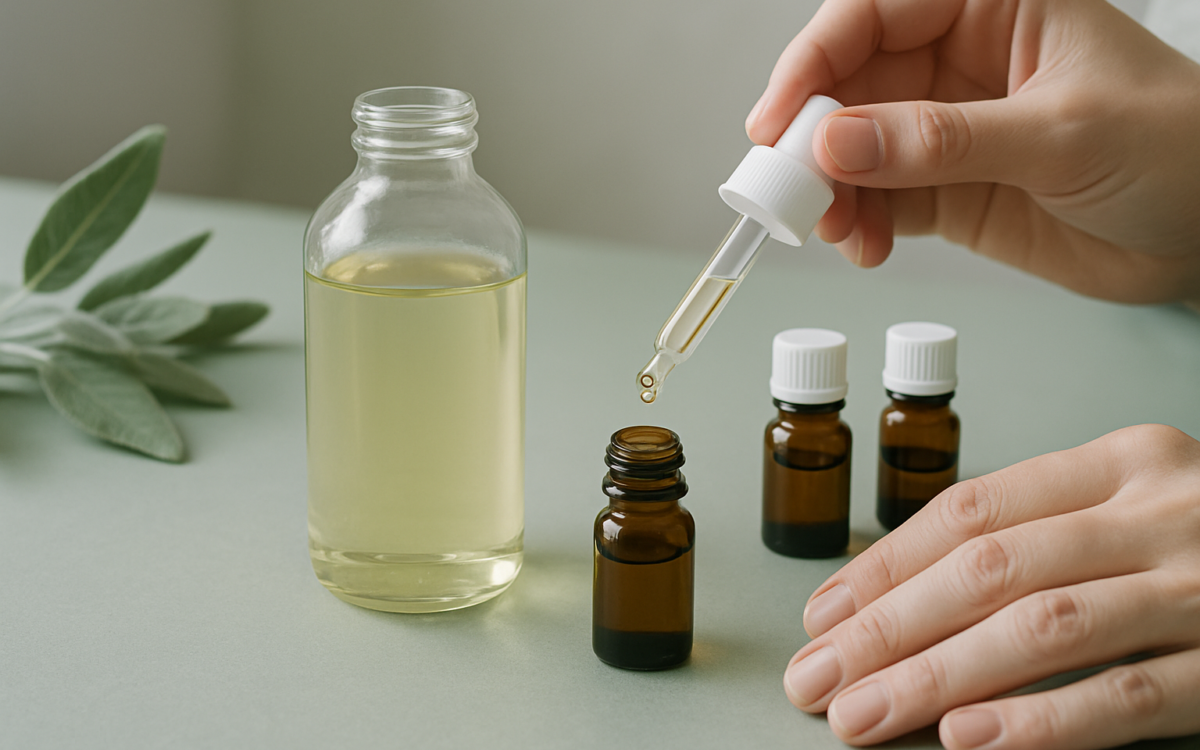
Essential oils are aromatic compounds extracted from plants that have gained popularity for their various therapeutic benefits. However, using these potent oils directly on the skin can be hazardous. That’s where base oils come in. Choosing the right base oil for essential oils is crucial for safety, effectiveness, and enhancing the benefits of your aromatherapy experience.
Understanding Base Oils
Base oils, also known as carrier oils, are used to dilute essential oils before they are applied to the skin. This dilution is essential because essential oils are highly concentrated and can cause skin irritation or allergic reactions when used undiluted. Base oils help to ‘carry’ the essential oils onto your skin safely.
Why Use Base Oils?
The benefits of using a base oil when applying essential oils are manifold. Whether you’re using them for skin care, massage, or aromatherapy, base oils provide a host of advantages:
- Safety: Diluting essential oils reduces the risk of skin irritation and allergic reactions.
- Moisturizing properties: Many base oils provide hydration and nourishment for the skin.
- Enhanced absorption: Base oils can help essential oils penetrate the skin more effectively.
- Versatility: Different base oils have unique benefits and textures, allowing for customization based on individual skin types and preferences.
Popular Base Oils
There are a variety of base oils to choose from, each with different properties that make them suitable for different needs and skin types. Here are some of the most commonly used base oils:
1. Sweet Almond Oil
Sweet almond oil is a versatile and popular choice. It has a light texture and is suitable for most skin types. Rich in vitamins A and E, this oil helps to nourish and hydrate the skin.
2. Jojoba Oil
Jojoba oil closely resembles the natural oils of the skin. It is non-greasy, absorbs quickly, and is great for all skin types, including oily skin. It also has anti-inflammatory properties and can help soothe irritated skin.
3. Coconut Oil
Coconut oil is another widely used base oil that is excellent for moisturizing the skin. Its antibacterial properties make it beneficial for skincare, but it has a heavy consistency and may not be suitable for everyone, particularly those with oily skin.
4. Olive Oil
Although it is primarily known for its culinary uses, olive oil is also a fantastic base oil. It is rich in antioxidants and has strong moisturizing properties, making it suitable for dry skin.
5. Grapeseed Oil
Grapeseed oil is lightweight and has a slightly astringent quality, making it an ideal option for oily and acne-prone skin. It also contains high levels of polyunsaturated fatty acids, offering regenerative and moisturizing benefits.
Blending Essential Oils with Base Oils
When it comes to blending essential oils with base oils, the dilution ratio is key. A common guideline is to use:
- 1-2 drops of essential oil per teaspoon of base oil for facial applications.
- 3-6 drops of essential oil per tablespoon of base oil for body applications.
These ratios can vary based on individual sensitivity, the type of essential oil, and the intended use, so it’s essential to approach dilution carefully.
Finding the Right Match
Choosing the right base oil for your essential oils can depend on your skin type, intended use, and personal preferences. Consider these factors:
- Skin Type: Oily skin may benefit from lighter oils like grapeseed or jojoba, while dry skin may require richer oils like almond or avocado.
- Application Method: If you plan to use the oils for massages, a heavier oil might provide better slip, whereas lighter oils are ideal for facial applications.
- Allergies: Always perform a patch test to ensure you don’t have an allergic reaction, especially if you have a history of allergies.
Best Practices for Using Base Oils with Essential Oils
To get the most out of your essential oils and base oils, consider these best practices:
- Storage: Keep your oils in a cool, dark place to maintain their potency.
- Patch Test: Always perform a patch test on a small area of skin before fully applying any new oil mixture.
- Consultation: If you have underlying skin conditions or allergies, consult a healthcare provider before using essential oils.
When to See a Doctor
If you experience any unexpected side effects or reactions after using essential oils, it is advisable to see a doctor. Symptoms to watch for include:
- Severe skin irritation or rashes
- Difficulty breathing or other allergic reactions
- Worsening of pre-existing skin conditions
In Conclusion
Using base oils with essential oils enhances the safety and effectiveness of their applications. By understanding the various types of base oils and their unique properties, you can create personalized blends that suit your specific needs. Always remember to exercise caution and consult a healthcare provider if you have any concerns. Enjoy the aromatic journey of essential oils safely and effectively!
