
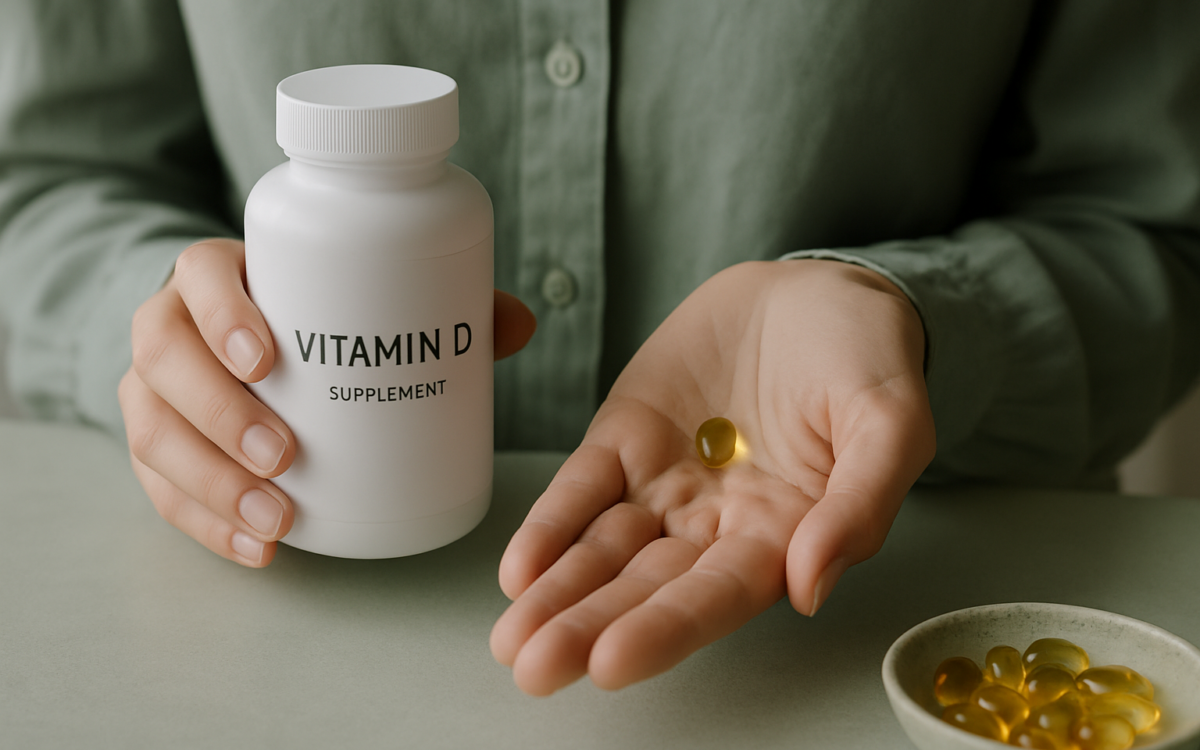
Vitamin D is often referred to as the sunshine vitamin, and for good reason—it’s vital for maintaining healthy bones, supporting immune function, and even enhancing mood. For women, adequate levels of vitamin D can be especially important due to the various life stages and hormonal changes they experience. However, getting enough vitamin D from sun exposure and dietary sources alone can be challenging. This brings us to the topic of supplements. In this article, we’ll explore how to identify the best vitamin D supplement for women, taking into consideration factors such as dosage, form, and lifestyle needs.
Understanding Vitamin D and Its Importance
Vitamin D is a fat-soluble vitamin that helps the body absorb calcium and phosphorus, two minerals crucial for bone health. Deficiencies in vitamin D can lead to bone issues such as osteoporosis, heart disease, and a weakened immune response. Research has shown that women, especially those who are pregnant or postmenopausal, may require higher amounts of vitamin D to maintain their health. According to the National Institutes of Health, the recommended daily allowance (RDA) for women varies by age and life stage.
Signs You May Need a Supplement
Before jumping into the realm of supplements, it’s essential to know whether you might be lacking in vitamin D. Common signs and symptoms of deficiency include:
- Fatigue and tiredness
- Bone or joint pain
- Frequent infections or illnesses
- Depression or mood changes
- Muscle weakness
If you experience any of these symptoms, it may be worth discussing with your healthcare provider. They can conduct a simple blood test to determine your vitamin D levels.
Choosing the Right Vitamin D Supplement
Now that we understand the importance of vitamin D, how do you choose the best supplement?
1. Types of Vitamin D
There are two main forms of vitamin D available in supplements: D2 (ergocalciferol) and D3 (cholecalciferol). Studies suggest that D3 is more effective at raising and maintaining vitamin D levels in the bloodstream. Therefore, for most women, vitamin D3 is the preferred choice. When looking for a supplement, carefully read the label to ensure it contains D3.
2. Dosage Matters
The right dosage can depend on individual needs, lifestyle factors, and existing health conditions. The RDA for adult women is generally around 600 to 800 IU (International Units) per day, but some may require higher doses, particularly if they have low levels. Always consult with your healthcare provider before starting any new supplement, especially if you consider high-dosage options.
3. Additional Ingredients
Some vitamin D supplements come with additional nutrients that can enhance its effectiveness. For instance, combining vitamin D with calcium can be particularly beneficial for bone health. Some supplements also include magnesium or vitamin K, which play supportive roles in the absorption and utilization of vitamin D. Look for well-rounded formulations that meet your specific health needs.
4. Quality and Testing
Not all supplements are created equal. When selecting a vitamin D supplement, look for products that have been independently tested by third-party organizations—this can often be found on the packaging. Such products have undergone rigorous testing to ensure they contain what they claim and are free of harmful contaminants. Brands that prioritize quality will usually display certifications from organizations such as the Cleveland Clinic or the United States Pharmacopeia (USP).
Bonus Tips for Maintaining Healthy Vitamin D Levels
In addition to taking supplements, there are other ways to ensure that you maintain optimal vitamin D levels:
- Sun Exposure: Aim for short periods of sun exposure, around 10-30 minutes a few times a week, depending on your skin type and latitude.
- Dietary Sources: Incorporate foods rich in vitamin D into your diet, such as fatty fish, fortified dairy products, and egg yolks.
- Regular Testing: If you are concerned about your vitamin D levels, consider scheduling regular testing with your healthcare provider.
When to See a Doctor
If you suspect you may be deficient in vitamin D or are experiencing the symptoms mentioned earlier, it’s important to consult a healthcare provider. They can order blood tests to check your levels and recommend the best course of action tailored to your needs.
Conclusion
Choosing the best vitamin D supplement for women involves understanding your personal health requirements, doing your research, and consulting with a healthcare professional for guidance. With the right supplement, you can support your bone health, immune function, and overall wellbeing. Remember, it’s always wise to prioritize quality and review your lifestyle to enhance your vitamin D levels naturally.
