
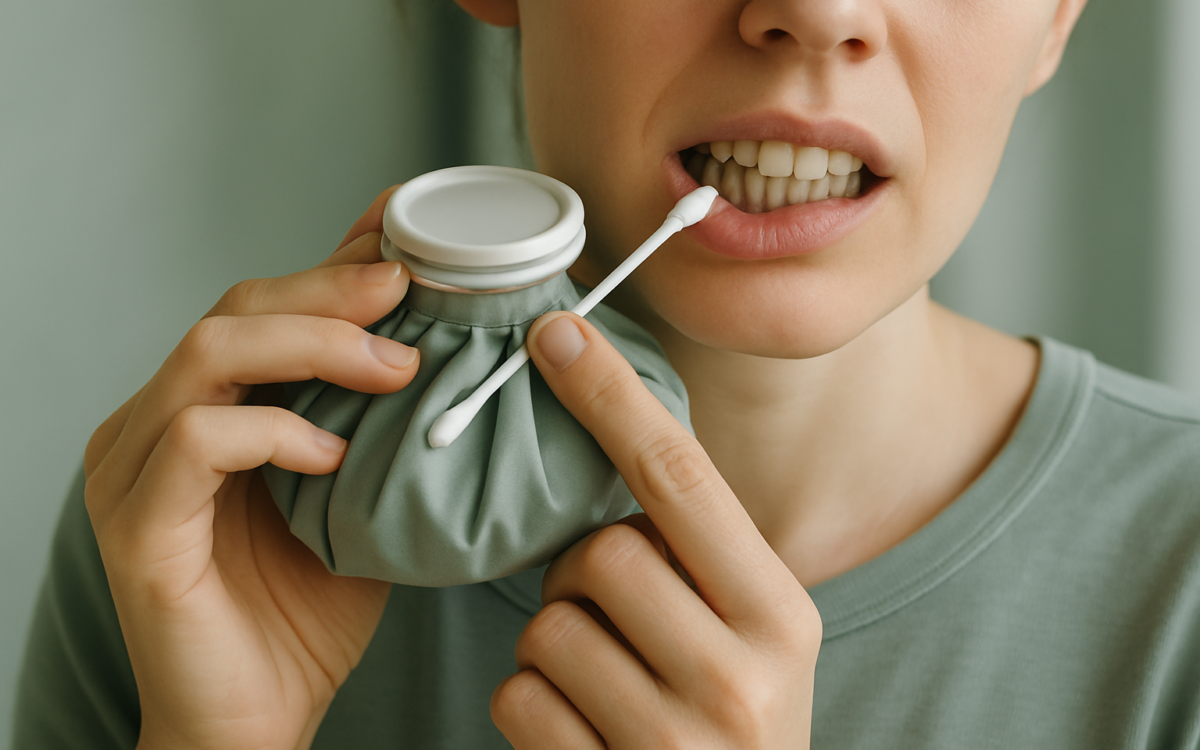
When your gums are sore, it can make everyday activities like eating, brushing, and even talking uncomfortable. Sore gums can be caused by various factors, including gum disease, injury, or even simply brushing too hard. Understanding what causes this discomfort and how to alleviate it is an essential part of maintaining your overall oral health. Let’s explore some practical tips and strategies to ease sore gums and keep that smile bright.
Understanding the Causes of Sore Gums
Before addressing sore gums, it’s crucial to understand what might be causing the discomfort. Here are some common causes:
- Gingivitis: This is a mild form of gum disease that involves inflammation of the gums, often due to plaque buildup.
- Injury: Accidental bites, injuries from dental appliances, or aggressive brushing can irritate the gums.
- Infections: Conditions like periodontitis, a more severe form of gum disease, can lead to pain and swelling.
- Hormonal changes: Fluctuations in hormones during menstrual cycles or pregnancy can also make gums more sensitive.
- Diet: A deficiency in vitamins, particularly Vitamin C, can result in sore gums.
Home Remedies for Relieving Gum Soreness
There are several simple home remedies you can try to ease the discomfort of sore gums:
- Warm saltwater rinse: Mix half a teaspoon of salt in a cup of warm water and rinse your mouth to reduce inflammation and promote healing.
- Cold compress: Applying a cold compress to the affected area can help numb pain and reduce swelling.
- Chamomile tea: Known for its anti-inflammatory properties, rinsing your mouth with chamomile tea can provide relief.
- Honey: Applying raw honey to sore areas may help due to its natural antibacterial properties.
Good Oral Hygiene Practices
Maintaining good oral hygiene is crucial in preventing and easing gum discomfort. Here are some practices to adopt:
- Gentle brushing: Use a soft-bristled toothbrush and brush gently to avoid irritating your gums.
- Floss daily: Flossing can help remove plaque between teeth where a toothbrush might not reach.
- Mouthwash: Consider using an alcohol-free mouthwash that contains chlorhexidine or fluoride to help reduce bacteria and soothe gums.
- Regular dental check-ups: Visit your dentist regularly for professional cleaning and check-ups to catch any issue early.
Nutritional Support for Healthy Gums
Your diet can significantly influence your gum health. Here are some dietary suggestions:
- Vitamin C-rich foods: Citrus fruits, strawberries, and bell peppers can help strengthen your gums.
- Antioxidant-rich foods: Foods like blueberries and green leafy vegetables can fight inflammation.
- Dairy products: Yogurt and cheese can promote healthy oral bacteria.
- Avoid sugary snacks: Reducing sugar intake can help prevent plaque buildup and gum irritation.
Over-the-Counter Options
If home remedies aren’t enough to ease your sore gums, you might consider some over-the-counter options:
- Pain relievers: Non-prescription pain relievers like ibuprofen or acetaminophen can help manage pain.
- Topical gels: Gels containing benzocaine can provide temporary relief by numbing sore areas.
- Teething gels (for adults): Soft gels specifically designed for gum discomfort may offer relief.
When to See a Doctor
While sore gums can often be managed at home, there are times when it’s important to consult a healthcare professional:
- If the soreness persists for more than a week.
- If you notice significant swelling or bleeding.
- If you have accompanying symptoms such as fever or difficulty swallowing.
- If you experience persistent bad breath that doesn’t go away with oral hygiene.
Consult your dentist to identify any underlying issues and receive appropriate treatment. The Mayo Clinic provides valuable resources on oral health that can help you understand common dental concerns further.
In the journey toward comfort and health for your gums, remember that maintaining good oral hygiene and a balanced diet is key. With a little TLC and the right practices, you can ease discomfort and keep your smile shining bright!
