
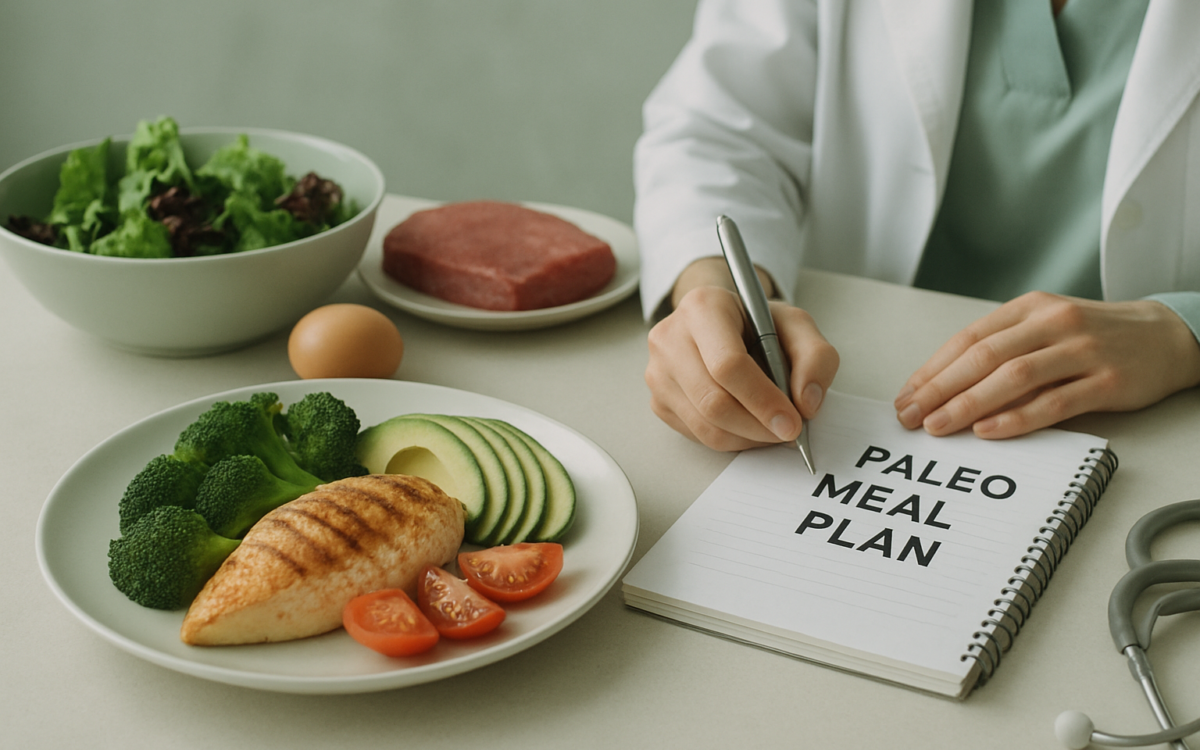
Are you interested in adopting a diet that harkens back to the way our ancestors ate? The paleo meal plan focuses on whole, unprocessed foods just like those available during the Paleolithic era. As more people seek healthier lifestyles, the paleo diet has gained popularity. This guide will walk you through the basics of crafting a balanced paleo meal plan tailored to your needs.
What is the Paleo Diet?
The paleo diet, also known as the Caveman Diet, promotes foods that our ancestors would have consumed. This means focusing on lean meats, fish, fruits, vegetables, nuts, and seeds, while avoiding processed foods, refined sugars, dairy, and grains. The idea is to return to a way of eating that emphasizes whole foods, and proponents believe this can lead to numerous health benefits, such as weight loss and improved metabolic health.
Benefits of a Paleo Meal Plan
Implementing a paleo meal plan can offer various health benefits. Here are some of the reported advantages:
- Weight Management: Many people find that the paleo diet helps with weight loss because it encourages the consumption of nutrient-dense foods that are naturally filling.
- Improved Blood Sugar Control: By eliminating refined sugars and processed carbohydrates, those on the paleo diet often experience better blood sugar regulation, reducing the risk of diabetes.
- Increased Energy Levels: Since the paleo diet emphasizes whole foods, some followers report improved energy and vitality.
- No More Digestive Distress: Removing dairy and grains can alleviate issues for those who are lactose intolerant or have gluten sensitivity.
How to Structure Your Paleo Meal Plan
Creating a paleo meal plan can feel overwhelming at first, but breaking it down into steps can make it much simpler. Here’s how to structure your meal plan:
1. List Your Foods
Begin by listing foods that fit the paleo guidelines. These include:
- Lean meats (beef, chicken, pork)
- Fish and seafood
- Fruits (berries, apples, oranges)
- Vegetables (leafy greens, broccoli, bell peppers)
- Nuts and seeds (almonds, walnuts, chia seeds)
- Healthy fats (olive oil, coconut oil, avocado)
2. Plan Your Meals
Once you have your list, begin planning your meals. Aim for a variety of foods to ensure you’re getting a balanced intake of nutrients. Here’s a simple one-day meal plan:
- Breakfast: Scrambled eggs with spinach and diced tomatoes
- Lunch: Grilled chicken salad with avocado and mixed greens
- Dinner: Baked salmon with sweet potatoes and steamed broccoli
- Snacks: A handful of nuts or a piece of fruit
3. Prepare Ahead
Meal prepping can be a game-changer. Spend a few hours on the weekend preparing meals or ingredients in advance. This might include chopping vegetables, marinating proteins, or even cooking several portions of a dish to enjoy throughout the week.
Tips for Success
Here are a few helpful tips to stick to your paleo meal plan:
- Stay Hydrated: Drink plenty of water. It helps curb hunger and supports overall health.
- Find Alternatives: Craving something sweet? Opt for fresh fruits or paleo-friendly dessert recipes that don’t incorporate refined sugars.
- Listen to Your Body: Pay attention to how you feel as you transition into the paleo diet. Everyone’s needs are different.
- Consider International Options: If you’re traveling or living overseas, finding local paleo options can be tricky. Some like [international patient services](https://acibademinternational.com) can help navigate dietary needs while exploring global cuisines.
Challenges and Considerations
While the paleo diet has many supporters, it’s not without its challenges. Firstly, it can be more expensive due to the focus on high-quality meats and organic produce. Additionally, some individuals might struggle with the absence of certain food groups. It’s essential to assess your own health needs and preferences.
Consult Your Doctor
As with any dietary change, it’s a good idea to consult your doctor before starting a paleo meal plan, especially if you have health conditions or dietary restrictions. They can provide guidance tailored to your individual needs.
Conclusion
A paleo meal plan can serve as an effective approach to healthier eating by emphasizing whole foods and minimizing processed options. With some planning and creativity, it can fit smoothly into a busy lifestyle. Remember to be flexible, listen to your body, and enjoy the journey towards better health!
