
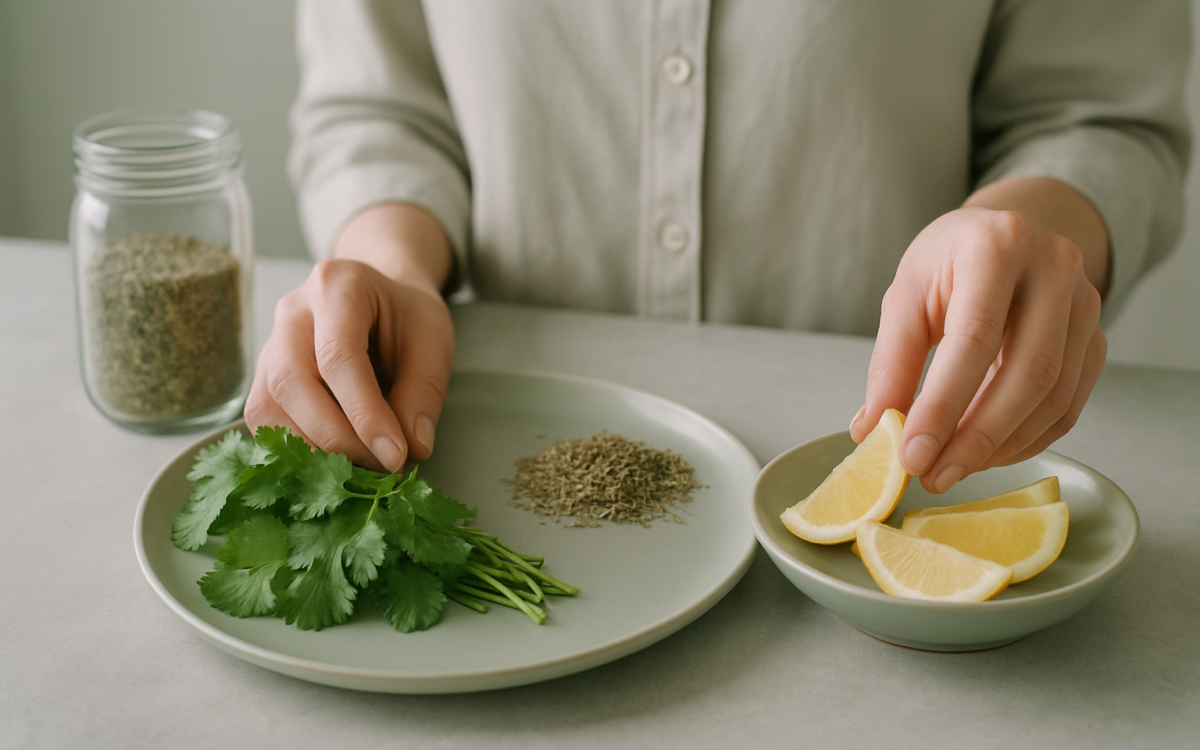
Coriander, also known as cilantro, is a popular herb used in various cuisines worldwide. Its distinct flavor can elevate dishes, adding a fresh, zesty note. However, not everyone enjoys its unique taste, and some may even have allergies. If you’re faced with a recipe that calls for coriander and you’re looking for a substitute, you’re in luck! Below, we explore several alternatives that can maintain the flavor profile of your dish while catering to different preferences.
Understanding the flavor of coriander
Coriander has a complex, citrusy taste that can be polarizing. Some people find its flavor refreshing, while others think it tastes soapy. This disparity usually comes down to genetics, as some people have a heightened sensitivity to certain aroma compounds in coriander. Understanding this flavor profile can guide you in finding suitable substitutes that will fulfill your culinary needs without compromising your taste buds.
Cilantro leaves versus coriander seeds
It’s worth noting that cilantro and coriander refer to different parts of the same plant. Cilantro refers to the fresh leaves, while coriander typically signifies the dried seeds. They have distinct tastes; cilantro is bright and herbaceous, while coriander seeds offer a warm, spicy flavor. When searching for a substitute, it’s essential to know which part of coriander the recipe calls for. Below are alternatives for both cilantro leaves and coriander seeds.
Best substitutes for cilantro leaves
If you’re looking for a substitute for fresh cilantro leaves, here are a few options:
- Parsley: This is perhaps the most common substitute. While parsley lacks the citrus notes of cilantro, its mild flavor makes it a suitable alternative, especially in salads, salsas, and garnishes.
- Basil: Known for its sweet and slightly peppery flavor, basil can work well, particularly in Italian or Mediterranean recipes. It won’t mimic cilantro exactly, but it adds a different layer of flavor.
- Mint: If you’re feeling adventurous, try fresh mint! Its refreshing qualities can give your dish a new twist, especially in salads or dressings.
- Chervil: Often used in French cuisine, chervil has a mild, slightly anise-like flavor that can substitute for cilantro in garnishes and herb mixes.
Alternatives for coriander seeds
When you need a substitute for coriander seeds in spice blends or cooking, consider the following:
- Cumin: Cumin has a warm and earthy flavor, making it a great alternative in many recipes, especially in Latin or Middle Eastern dishes where coriander is often used.
- Caraway seeds: With a similar warm flavor profile, caraway seeds can add a hint of sweetness and a depth to dishes like stews or breads.
- Fennel seeds: While a bit sweeter, fennel seeds can be another option, especially in herb blends or for flavoring meats and roasted vegetables.
- Ginger: If you need a bit of a kick, ginger can replace coriander seeds in sauces, marinades, or Asian-inspired dishes.
How to match flavors when substituting
When substituting ingredients in your cooking, consider the overall flavor you aim to achieve. Here are some tips for matching flavors:
- Focus on herbal profiles: If your recipe uses cilantro for freshness, choose a leaf herb with a similar taste, like parsley or mint.
- Think about heat and aroma: For ground coriander, select spices that offer similar warmth and depth, like cumin or caraway.
- Evaluate dish type: Adapt your substitute based on the dish. For instance, basil is more suitable in Italian cuisine, while cumin shines in Indian or Latin dishes.
Flavor enhancements to consider
In addition to substitutes, you might want to enhance the flavors of your dish further. Here are some suggestions:
- Citrus zest: Adding a bit of lime or lemon zest can mimic the citrus element of cilantro, especially in salads or dressings.
- Vinegar: A splash of vinegar can brighten flavors and provide a hint of tanginess that complements many dishes similarly to cilantro.
- Spices: Incorporating spices like paprika or turmeric can add warmth and depth to your dish, enriching its overall flavor without needing coriander.
When to see a doctor
If you have a severe reaction to herbs or spices or experience allergic symptoms, such as hives or swelling after consuming certain foods, it’s essential to seek medical attention promptly. It’s also wise to consult your doctor if you suspect a food allergy in general. For more information on food allergies, you can visit the CDC’s website.
In conclusion, while coriander is a beloved ingredient for many, it’s not the only option available in the kitchen. By exploring various substitutes and enhancements, you can craft delicious meals that cater to your tastes. Happy cooking!
