
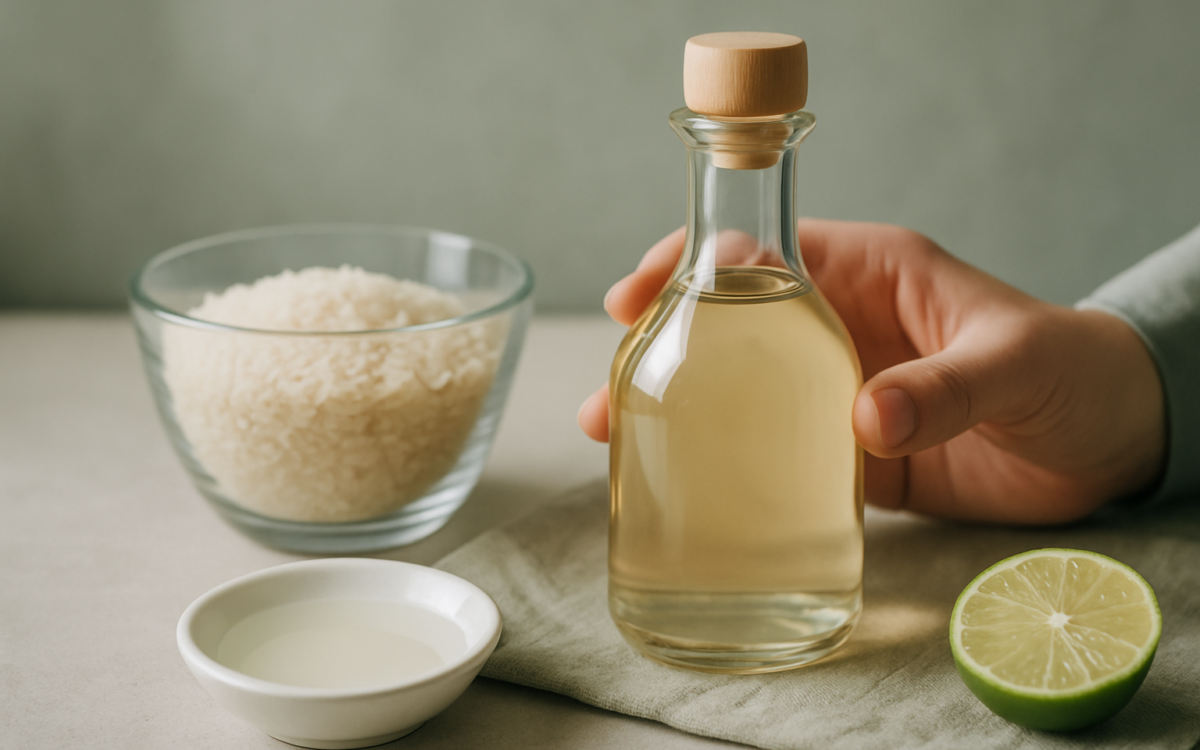
Rice vinegar is a popular ingredient in Asian cuisine, known for its mild sweetness and gentle acidity. It adds a unique flavor to dishes like sushi, salad dressings, and marinades. However, there are times when you might find yourself out of rice vinegar or need a substitute for dietary reasons. Fortunately, there are several alternatives that can help you create delicious meals without compromising on flavor. This article explores some of the best rice vinegar substitutes, how to use them, and tips for maintaining flavor balance in your recipes.
Understanding rice vinegar
Rice vinegar is made from fermented rice and comes in various types, including white, red, and black rice vinegar. It is less acidic than other vinegar varieties, making it a favorite for those looking for a gentler tang in their dishes. The flavor profile of rice vinegar can range from sweet to slightly tart, depending on the type used. This versatility makes it an essential ingredient in many recipes, from dipping sauces to braised dishes.
1. Apple cider vinegar
Apple cider vinegar (ACV) is a great substitute for rice vinegar due to its similar acidity level and pleasant taste. It has a tangy flavor that can enhance many dishes. When substituting, keep in mind that ACV is slightly stronger. You can dilute it with a bit of water—mix one part vinegar with one part water—to achieve a flavor profile more akin to rice vinegar.
2. White wine vinegar
White wine vinegar has a mild flavor and can easily replace rice vinegar in recipes. It pairs well with salads, marinades, and dressings. When substituting, use an equal amount of white wine vinegar in place of rice vinegar. If you’re looking for a slightly sweeter twist, you might consider adding a pinch of sugar to your dish.
3. Lemon juice
Lemon juice is another excellent alternative. Its natural acidity provides a zesty kick that can brighten up any recipe. While it doesn’t replicate the sweetness of rice vinegar, this can be easily remedied by adding a touch of sugar or honey. Use lemon juice in place of rice vinegar at a 1:1 ratio, keeping in mind that the flavor will be tangier and less sweet.
4. White balsamic vinegar
White balsamic vinegar can be a delightful substitute for rice vinegar, offering sweetness with a mild acidity that works beautifully in dressings and marinades. Use it in equal amounts to rice vinegar, and you may find that its slightly sweeter profile enhances your dishes even more.
5. Coconut vinegar
Coconut vinegar, another product derived from fermented coconut sap, has a distinct flavor that varies between brands. Some lean towards sweet, while others may be sharper. As a substitute for rice vinegar, use coconut vinegar in equal proportions. It will add a unique twist to your recipes, especially in Filipino and Southeast Asian dishes.
6. Malt vinegar
Malt vinegar, made from fermented barley, is another option, although its flavor is darker and more robust than rice vinegar. When using malt vinegar as a substitute, you may want to start with a smaller amount and adjust to taste. You can dilute it with a bit of water to tone down its strength if needed.
Experimenting with unique flavor pairings
When substituting rice vinegar, it’s important to consider the overall flavor profile of your dish. Here are some tips to help balance flavors:
- Start small: Begin with a smaller quantity of your substitute and adjust as necessary.
- Sweeten it up: If your substitute is too tart, add a bit of sugar, honey, or a similar sweetener.
- Pair it right: Consider the other flavors in your dish. Some substitutes may work better with certain ingredients.
- Taste as you go: Continuously tasting throughout the cooking process can help achieve the best flavor balance.
When to see a doctor
If you experience any adverse reactions after consuming vinegar or any new substitutes, consult your doctor or a nutritionist. They can provide more tailored advice based on your dietary needs and health history.
In conclusion, while rice vinegar plays a unique role in many recipes, there are numerous substitutes that can deliver fantastic results. Whether you choose apple cider vinegar, white wine vinegar, or lemon juice, your culinary creations can still shine without rice vinegar on hand. The key is to experiment and adjust to suit your flavor preferences, ensuring that your dishes remain delicious and satisfying.
