
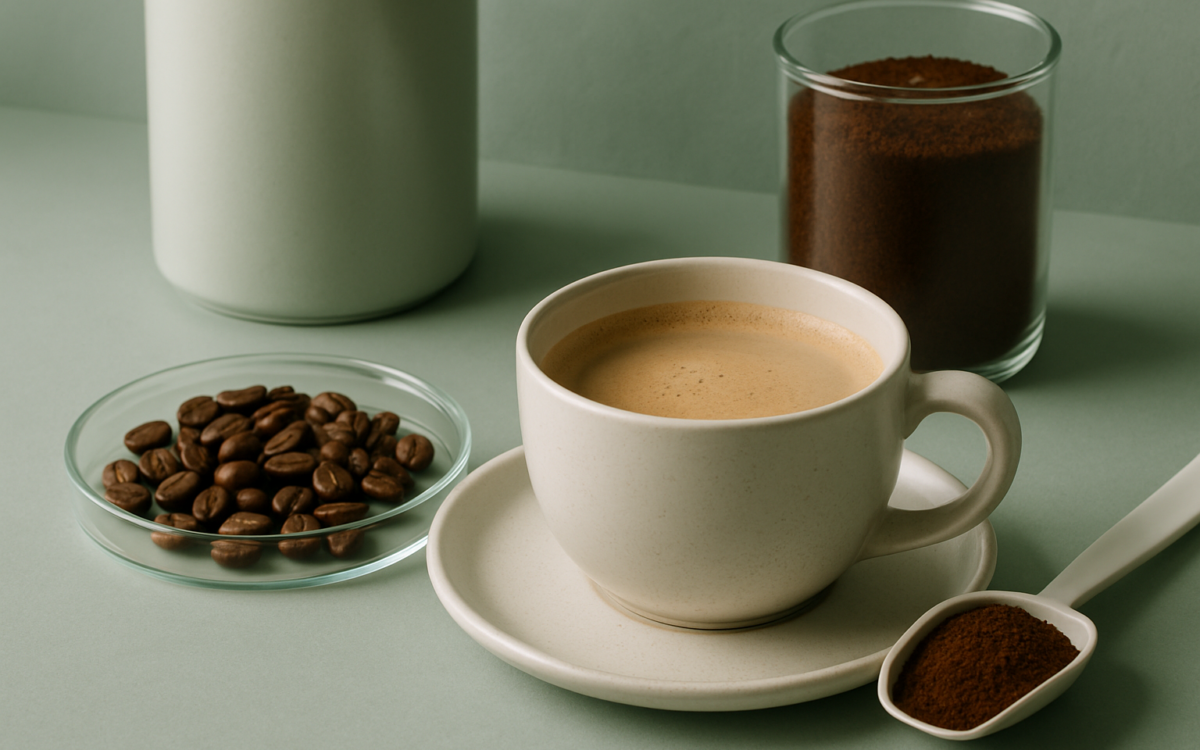
For coffee lovers who cherish their morning ritual but want to cut back on caffeine, decaf coffee presents an appealing option. Understanding what decaf coffee is and how it differs from regular coffee can open the door to an enjoyable experience without the jitters.
What is Decaf Coffee?
Decaf coffee, or decaffeinated coffee, is brewed from coffee beans that have had most of their caffeine removed. While it’s nearly impossible to eliminate every bit of caffeine from coffee beans, most decaf coffees contain about 2 to 5 milligrams of caffeine per cup, compared to 95 milligrams in a typical cup of regular coffee. This makes decaf a preferable choice for those who wish to reduce their caffeine intake.
How is Decaf Coffee Made?
The decaffeination process can be done using several methods. The most common include:
- Solvent-Based Methods: In these techniques, chemical solvents such as methylene chloride or ethyl acetate are used to extract caffeine from the coffee beans. This method is efficient and retains most of the original flavor.
- Water Process: Also known as the Swiss Water Process, this method uses hot water to extract caffeine while keeping the flavor intact. It’s a chemical-free approach that appeals to many health-conscious consumers.
- Carbon Dioxide Process: This method uses carbon dioxide under high pressure to selectively remove caffeine. It’s highly efficient and preserves the coffee’s original flavor profile.
Regardless of the method used, the goal is the same: to retain as much of the coffee’s flavor as possible while significantly reducing its caffeine content.
Health Benefits of Decaf Coffee
Decaf coffee isn’t just a flavor alternative; it also offers several health benefits:
- Rich in Antioxidants: Decaf coffee contains antioxidants, which help protect your cells from damage caused by free radicals. These compounds can also contribute to reducing inflammation in the body.
- Lower Risk of Certain Diseases: Some studies suggest that drinking decaf coffee may be associated with a lower risk of certain diseases, such as type 2 diabetes or Parkinson’s disease. While more research is needed to fully understand these connections, preliminary findings are promising. You can learn more about this from sources like the NIH.
- Heart Health: For some, regular consumption of decaf coffee may be linked to a lower risk of heart disease. This is particularly relevant for individuals sensitive to caffeine’s effects, which can include rapid heart rate.
Decaf Coffee and Caffeine Sensitivity
Many people worldwide enjoy caffeine in moderation, but for some, caffeine can cause uncomfortable side effects like anxiety, insomnia, or digestive issues. This is where decaf coffee shines. By providing a similar taste and experience without significant caffeine, decaf allows those who are sensitive to caffeine to enjoy coffee without the worry of adverse effects.
Flavor Profiles and Varieties
One common misconception about decaf coffee is that it lacks flavor compared to its caffeinated counterpart. However, this isn’t necessarily true. Quality decaf brands are available that maintain the rich, robust flavors coffee lovers adore. When purchasing decaf, consider the following tips:
- Try Different Beans: Just like regular coffee, decaf coffee can come from various regions and types of beans. Explore options from regions like Colombia, Ethiopia, or Brazil.
- Look for Specialty Decaf Brands: Some brands focus exclusively on decaf coffee, ensuring the quality is the same as their caffeinated offerings.
Visiting local coffee shops or exploring specialty roasters can help you discover unique flavors that still fall within the decaf category.
When to See a Doctor
If you notice any negative reactions related to coffee consumption, even decaf, it may be worth discussing with your doctor. Symptoms to monitor include:
- Unexplained headaches
- Upheaval in your digestive system
- Increased heart rate
These could help your healthcare provider assess any sensitivities you may have.
Conclusion
Decaf coffee offers a delightful option for those wanting the rich taste of coffee without the side effects of caffeine. From its various preparation methods to its potential health benefits, understanding decaf can enhance your coffee experience. Whether you enjoy it in the morning, afternoon, or as an after-dinner treat, decaf coffee remains a versatile choice in your beverage lineup.
