
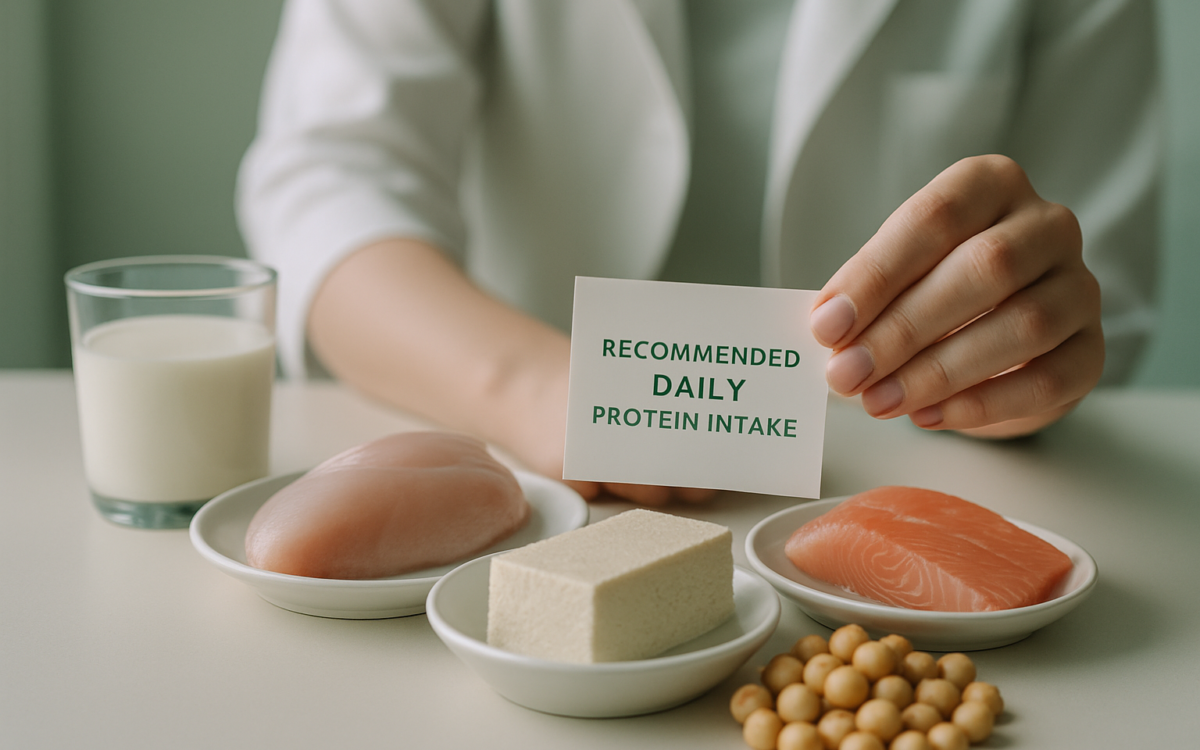
Protein is an essential nutrient that plays a crucial role in our bodies. It helps build and repair tissues, supports immune function, and contributes to enzyme and hormone production. But how much protein do you really need each day? Understanding your recommended daily protein intake can help you maintain a healthy lifestyle.
Why Protein is Important
Protein is made up of amino acids, which are often referred to as the building blocks of life. Our bodies need these amino acids to grow and develop properly. Here are some key reasons why ensuring adequate protein intake is vital:
- Muscle Health: Protein supports muscle growth and repair, making it essential after workouts or physical activities.
- Immune Function: Proteins help produce antibodies and other immune system components, contributing to your body’s defense against illness.
- Metabolism Boost: Protein can increase your metabolic rate through its thermic effect, helping you burn more calories.
- Satiety and Weight Management: Including protein in your meals can help you feel fuller for longer, aiding in weight control.
How Much Protein Do You Need?
The recommended daily protein intake can vary widely depending on several factors, including age, sex, activity level, and overall health. Generally, health organizations suggest the following:
- Adult Men: About 56 grams per day
- Adult Women: About 46 grams per day
- Pregnant or Nursing Women: Increased needs, around 71 grams per day
- Athletes or Very Active Individuals: May require 1.2 to 2.0 grams of protein per kilogram of body weight, depending on the intensity of the activity.
These recommendations, based on a general guideline set by organizations such as the World Health Organization, can help you ensure you’re getting enough protein without overdoing it.
Calculating Your Individual Needs
To calculate your specific protein needs, you can start by determining your weight in kilograms (1 kg = 2.2 lbs) and then multiply it by the recommended range for your activity level. For example:
- If you weigh 70 kg (154 lbs) and have a moderate activity level, aim for around 1.2 g/kg = 84 grams of protein per day.
For those unsure of their requirements, using a protein calculator or consulting with a healthcare professional can provide tailored advice.
Sources of Protein
Meeting your protein needs can be simplified by choosing a variety of protein sources. Here are some excellent options:
- Animal Sources: Chicken, turkey, fish, eggs, dairy (milk, cheese, yogurt) are complete proteins, providing all essential amino acids.
- Plant Sources: Legumes (beans, lentils), nuts, seeds, tofu, and whole grains. While many plant proteins are incomplete, combining different sources can provide all the essential amino acids your body needs.
- Protein Supplements: For those who have difficulty meeting their needs through food alone, protein powders or bars can be a convenient option. However, it’s best to focus on whole foods first.
Signs You May Need More Protein
While getting enough protein is important, most people can meet their needs through a balanced diet. However, there are signs that you might not be consuming enough:
- Unexplained fatigue or weakness
- Muscle loss or poor recovery from workouts
- Slow wound healing
- Increased cravings or appetite fluctuations
If you experience any of these signs, evaluating your protein intake might be a good idea.
When to See a Doctor
If you have specific dietary concerns, health conditions, or need personalized advice on your protein intake, consult a healthcare provider. They can offer guidance based on your individual health needs and goals.
Conclusion
Understanding your recommended daily protein intake is crucial for maintaining overall health and well-being. By recognizing your individual needs and incorporating a variety of protein sources into your diet, you can support your body in achieving its best function. Remember, if you have questions or specific concerns about your nutrition, don’t hesitate to consult a healthcare professional for tailored advice.
