
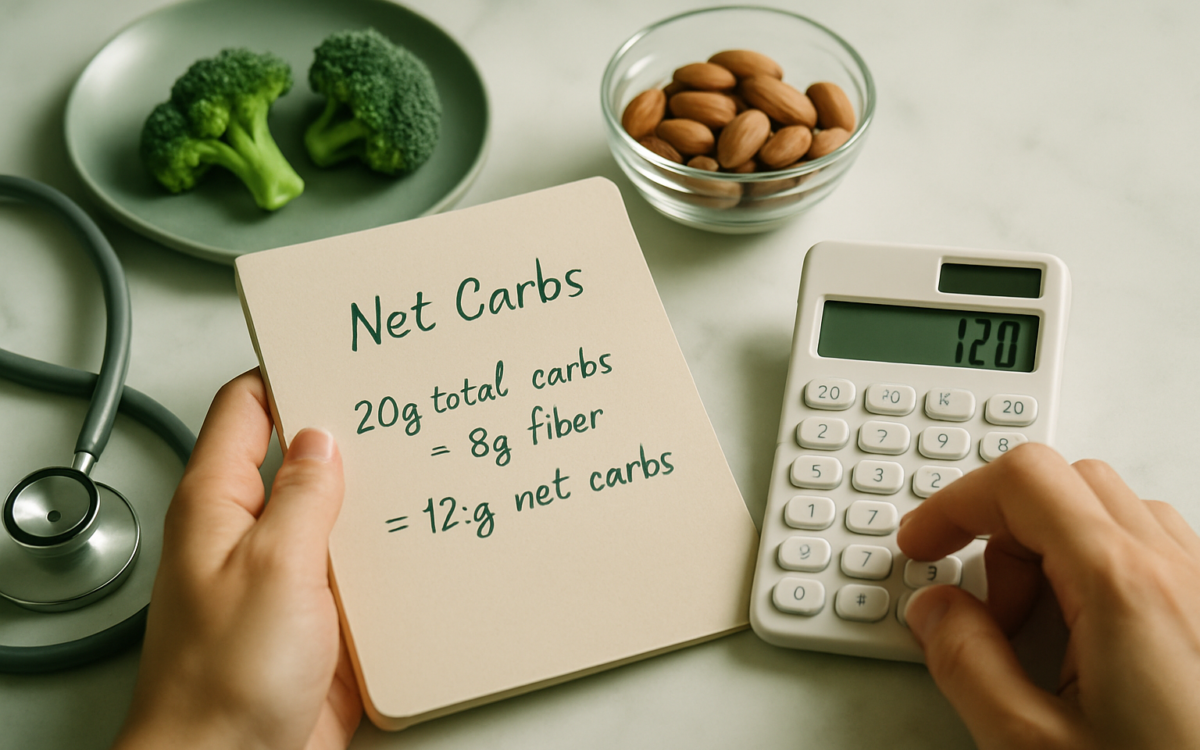
When it comes to managing your diet, especially if you’re watching your carbohydrate intake, you may have heard the term “net carbs.” This concept is particularly popular in low-carb and ketogenic diets. But how do you calculate net carbs, and why does it matter? In this guide, we’ll break down the steps to calculate net carbs and provide insights into their role in your nutrition.
What Are Net Carbs?
Net carbs refer to the carbohydrates that are absorbed by the body and can impact blood sugar levels. When people talk about net carbs, they often distinguish between total carbohydrates and the carbs that actually affect metabolism.
Net carbs are calculated by subtracting fiber and certain sugar alcohols from the total carbohydrate count in food. This is because fiber and certain sugar alcohols don’t raise blood sugar levels significantly and are not fully absorbed or metabolized by the body.
Why Calculate Net Carbs?
Calculating net carbs is important for those following low-carb diets as it helps in managing blood sugar levels and promoting weight loss. High-fiber foods typically provide fewer net carbs. Understanding this can allow you to make healthier, more satisfying food choices while adhering to your dietary goals.
How to Calculate Net Carbs
Calculating net carbs is straightforward. Here’s a simple formula:
- Net Carbs = Total Carbohydrates – Fiber – Sugar Alcohols
Let’s break this down further:
Total Carbohydrates
The total carbohydrates are the sum of all forms of carbs in a food item, including sugars, starches, and fiber. This information is typically available on nutrition labels.
Fiber
Fiber is a type of carbohydrate that your body can’t digest. Instead, it passes through your system without affecting your blood sugar. This is why fiber is subtracted when calculating net carbs. There are two types of fiber:
- Soluable Fiber: Can dissolve in water and may help lower blood sugar levels.
- Insoluble Fiber: Does not dissolve in water and helps with digestion.
Regardless of the type, both contribute to the total fiber count you will subtract.
Sugar Alcohols
Sugar alcohols are used as sweeteners in many low-sugar or sugar-free products. Although they contain calories, they do not have the same impact on blood sugar as regular sugars. Common sugar alcohols include erythritol, xylitol, and sorbitol. However, not all sugar alcohols are treated equally. Erythritol has almost no calories and negligible effects on blood sugar, while others may impact blood sugar to a varying degree, so it’s best to check the specific type when calculating.
Example Calculation
To make things clearer, let’s look at an example. Suppose you have a snack with the following nutritional information:
- Total Carbohydrates: 20g
- Fiber: 5g
- Sugar Alcohols: 5g
Using the formula:
- Net Carbs = 20g – 5g – 5g = 10g
In this example, the snack contains 10 grams of net carbs.
Foods High in Fiber and Low in Net Carbs
If you’re looking to adjust your dietary choices, opting for foods that are high in fiber and low in net carbs can be beneficial. Here are some examples:
- Non-starchy vegetables: Spinach, broccoli, and kale are all excellent options.
- Berries: Raspberries and blackberries have relatively low net carbs compared to other fruits.
- Nuts and seeds: Flaxseeds and chia seeds are high in fiber and low in net carbs.
When to See a Doctor
If you’re unsure about how to manage your carbohydrate intake or experience health issues related to diet, it’s important to consult a healthcare professional. Changes in diet can significantly impact your overall health, and a doctor or registered dietitian can provide personalized guidance and support.
Conclusion
Understanding how to calculate net carbs can empower you in making informed dietary choices. Remember that it’s not just about reducing carb intake; it’s also about ensuring you’re nourishing your body with the right kinds of foods. If you’ve found yourself needing to adjust your diet significantly, reaching out to a healthcare professional can provide the support and information you need to succeed.
